
H5N1, commonly referred to as avian influenza, continues to pose substantial threats not only to bird populations but also to livestock and potentially human health. Although traditionally controlled through methods such as pasteurization, many dairy farms struggle with the high costs associated with this vital safety measure. Researchers at the University of California, Davis have pinpointed a promising alternative: acidification of waste milk, which could effectively neutralize the virus without the need for extensive investments or complicated setups.
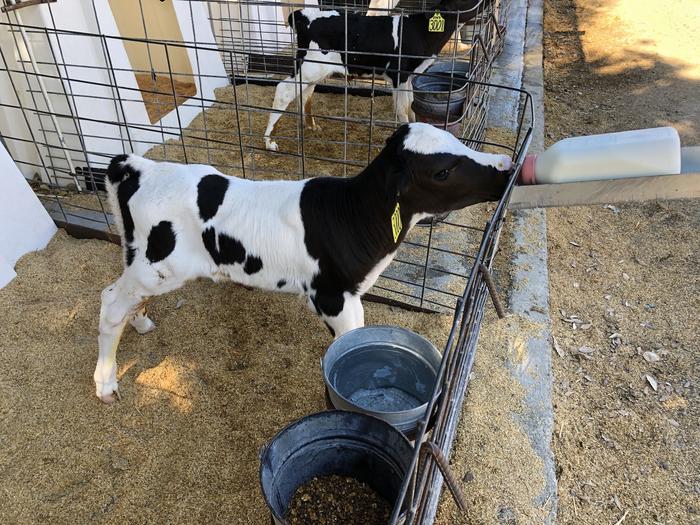
The process of waste milk management on dairy farms has gained renewed attention due to the emergence of H5N1 in dairy cattle across 16 states. Waste milk typically consists of colostrum, which is the nutrient-rich first milk produced after a cow gives birth, along with milk from cows treated with antibiotics or other substances rendering it unsuitable for human consumption. While this byproduct could be an invaluable resource for feeding calves, it also harbors zoonotic risks, effectively becoming a potential conduit for virus transmission.
In their groundbreaking study published in the Journal of Dairy Science, UC Davis researchers found that simple acidification of milk using citric acid could kill the H5N1 virus before it infects livestock. This technique involves lowering the pH of the milk to around 4.1 to 4.2, a threshold that proves lethal for the virus but remains safe for feeding calves. Notably, this method could be employed by both small-scale hobby farmers and large commercial operations without extensive modifications to existing infrastructure.
The pressing economic barrier that pasteurization imposes on dairy farmers cannot be overstated. Cost analyses reveal that fewer than 50% of large dairy operations opt for pasteurization, despite its efficacy. Richard Van Vleck Pereira, a key author of the study and veterinary epidemiologist, emphasizes that the introduction of acidification as an alternative would not only mitigate costs but also enhance operational efficiency within dairy farms. With the acidification method being viable within a six-hour window and not requiring refrigeration, it opens doors for farmers to handle waste milk more safely and sustainably.
One of the striking features of this research is its focus on both efficacy and ease of use. By combining lab-based testing that demonstrates the lethal effects of acidic conditions on H5N1 with practical applications in everyday farming settings, the research team aims to forge a pathway that is economically feasible and accessible. Pereira stated that the holistic approach considers not just the elimination of the virus but the overarching impact on agricultural practices.
This newfound method is poised to encourage a broader adoption of acidification in the dairy sector. It can provide assurance for farmers fed up with the restrictions that come with managing waste milk. Moreover, as some farms already practice milk acidification to inhibit bacterial growth, the transition toward adopting the acidification protocol for virus control appears to be a logical next step.
The implications of successful on-farm testing could extend beyond individual farmers. As dairy operations implement these low-cost solutions, the overall health of livestock—along with public safety—could see improvements. The ability to do this economically makes it even more appealing, potentially leading to widespread reforms in milk management practices across the industry.
Such a significant advancement prompts a reassessment of how the dairy industry views waste milk. Instead of merely considering it a liability, it can now be reimagined as a resource that can be harnessed safely. However, the researchers acknowledge that effective guidelines will be crucial for farmers to ensure they can easily adopt these changes without undue disruptions to their operations.
In tandem with this study’s commitment to practicality is the broader vision for ensuring the safety of livestock, pets, and people. As Pereira succinctly puts it, the team’s efforts embody a forward-thinking strategy to not only contain H5N1 but also to bolster the agricultural sector’s resilience against emerging infectious diseases.
With funding support from both the California Department of Food and Agriculture and the United States Department of Agriculture, this research has gained the backing necessary to empower dairy farmers. As the team prepares for field trials, they anticipate gathering valuable data to solidify the relationship between acidification and virus deactivation in real-world scenarios. This practical research will ultimately benefit producers, consumers, and public health in the long run.
In conclusion, the findings from UC Davis represent a remarkable shift in addressing a potentially hazardous issue affecting dairy farming. By employing simple yet effective measures such as milk acidification, farmers can gain control over waste milk management, safeguard livestock health, and ensure the overall stability of food production. This new approach signals not just an innovative solution but also a commitment to fostering safe and sustainable agricultural practices for future generations.
Subject of Research: Acidification of Waste Milk to Neutralize H5N1 Virus
Article Title: In laboratory inactivation of H5N1 in raw whole milk through milk acidification: results from a pilot study
News Publication Date: 29-Jan-2025
Web References: Journal of Dairy Science
References: DOI: 10.3168/jds.2024-25985
Image Credits: Richard Van Vleck Pereira / UC Davis
Keywords: H5N1, acidification, waste milk, dairy farming, colostrum, zoonotic disease, food safety, UC Davis, citric acid, livestock health, sustainable agriculture
Tags: acidification of waste milkalternative methods to pasteurizationcitric acid virus neutralizationcost-effective dairy practicesdairy farm waste managementdairy industry innovationsH5N1 avian influenza controllivestock health and safetynutrient-rich colostrum utilizationUC Davis research on milk safetyvirus transmission prevention in cattlezoonotic risks in dairy farming