Researchers at the Leibniz Institute for Food Systems Biology, based at the Technical University of Munich, have made significant strides in understanding the impact of protein structures derived from fava beans on human sensory perception, particularly regarding texture and mouthfeel. This groundbreaking study is particularly timely as consumers increasingly gravitate toward plant-based diets, motivated by concerns about sustainability, health, and animal welfare. The findings presented not only offer valuable insights into sensory biology but also hold the potential to shape future innovations in the plant-based food industry.
The study specifically examines how fava bean protein nanofibrils affect the behavior of human mechanoreceptor cells—cells that detect mechanical stimuli, such as pressure. These sensory cells play a crucial role in how we experience food, significantly influencing our perception of texture and overall mouthfeel. The researchers believe that their work could lead to better formulations of plant-based foods that are more acceptable and enjoyable to consumers.
Fava beans are an essential source of plant-based proteins, and their unique properties lend themselves to creating biomaterials that enhance the mouthfeel of various food alternatives. Due to the increasing market share of plant-based foods—valued at an astonishing 29.4 billion U.S. dollars in 2020 and projected to reach 161.9 billion U.S. dollars by 2030—the demand for innovations that improve sensory experiences is at an all-time high. The research aims to tap into this demand by creating food products that do not compromise on texture or flavor, encouraging a shift toward more sustainable eating habits.
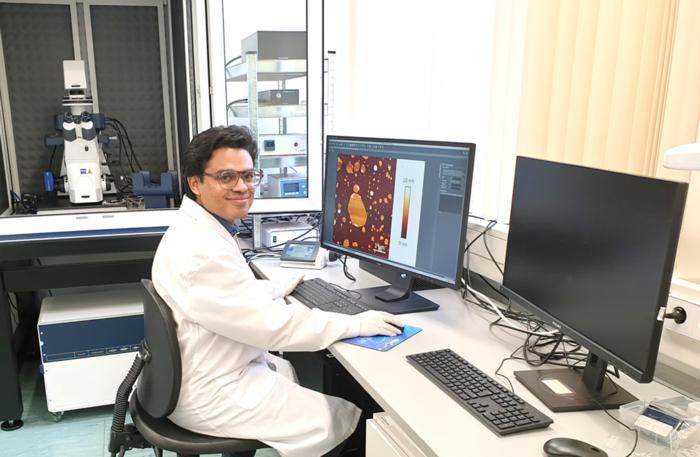
Central to this research is the use of atomic force microscopy, a powerful tool that allows scientists to visualize the nanofibrils and their interactions with cellular membranes. In their experiments, researchers observed that when these protein nanofibrils come into contact with a model of human oral tactile cells, they modify the surface texture of the cells without affecting their fundamental elasticity. This finding is indicative of how certain food textures can influence sensory perception, potentially laying the groundwork for the development of new textural food innovations.
In addition to examining physical alterations at the cell level, the research also examined changes at the molecular level. The study revealed that the introduction of fava bean nanofibrils into the cell culture medium altered the expression of specific receptor genes responsible for texture perception. The receptors in question included mechanosensitive ion channels such as piezo receptors, which are integral to the human ability to detect changes in physical stimuli. This suggests a novel pathway by which plant protein structures can influence sensory experiences related to food.
Further investigation revealed that these nanofibrils interact with artificial cell membranes utilizing lipid components, which subsequently alters membrane elasticity in controlled test systems. These early findings present an exciting avenue for future research, indicating that the interactions between nanofibrils and cellular components may play a significant role in determining taste and texture profile in food alternatives.
While this research is still in its nascent stages, the preliminary results underscore the potential of incorporating fava bean protein nanofibrils in creating more appealing plant-based food products that mimic the texture characteristics traditionally found in animal-based foods. Lead researcher Melanie Köhler expressed optimism about these findings, asserting that a deeper understanding of these molecular interactions would pave the way for innovative applications in food technology.
The overarching goal is not merely to understand the mechanisms involved but to apply this knowledge toward developing food products that meet the sensory expectations of consumers. As plant-based diets continue to gain momentum, the need for more sensory-compatible food options has become crystal clear. This research could very well catalyze a new era of food innovation, emphasizing texture and mouthfeel in plant-based diets.
The study’s publication, titled “Fava Bean Protein Nanofibrils Modulate Cell Membrane Interfaces for Biomolecular Interactions as Unveiled by Atomic Force Microscopy,” underscores the collaborative effort of a diverse team of researchers dedicated to advancing food science. Their work is being funded by the Leibniz Association, further highlighting the importance of academic partnerships in driving research forward.
Ultimately, these findings present significant implications for the future of food systems biology and its applications in consumer products. The vision is to not only enhance the eating experience through improved texture but also contribute to the broader goal of promoting sustainable dietary practices by making plant-based alternatives more palatable and enjoyable.
With this groundbreaking research, the scientists at the Leibniz Institute are setting a new standard in food innovation—carefully linking science and sensory perception to revolutionize how we view and consume plant-based foods, ensuring that sustainability does not come at the cost of quality or experience.
Subject of Research: Protein structures derived from fava beans and their effect on human sensory perception.
Article Title: Fava Bean Protein Nanofibrils Modulate Cell Membrane Interfaces for Biomolecular Interactions as Unveiled by Atomic Force Microscopy.
News Publication Date: 26-Oct-2024.
Web References: Leibniz Institute for Food Systems Biology
References: Karanth, S., Wiesenfarth, M., Benthin, J., and Koehler, M. (2024). Foods 13, 3411. 10.3390/foods13213411.
Image Credits: G. Olias / Leibniz-LSB@TUM
Keywords: Fava beans, protein nanofibrils, texture perception, sensory biology, plant-based diets, atomic force microscopy, mouthfeel, food innovation, sustainable diets, mechanoreceptors.
Tags: consumer acceptance of plant-based foodsenhancing mouthfeel with fava bean proteinfava bean biomaterials in food productsfava beans in plant-based foodsfuture of plant-based food industryimproving texture in alternative proteinsmechanoreceptor cells and food experienceplant-based protein innovationsrole of fava beans in food texturesensory biology and food perceptionsensory perception in plant-based dietssustainability in plant-based diets