A recent study led by Dr. Ilana Kolodkin-Gal from the Scojen Institute for Synthetic Biology at Reichman University, which is headed by Prof. Yosi Sacham, found that the beneficial bacteria, such as Bacillus subtilis — which is used, among other things, as a probiotic and a biological control agent — have memory. The bacteria are able to express genes associated with colonization and symbiosis with their host for generations, even after being detached from the host. This transfer of information between generations of bacteria allows them to efficiently recolonize a new host, giving them an advantage over naïve bacteria that have never formed a stable interaction with a plant. The genes with multigenerational inheritance patterns were associated with resistance to stress, highlighting the importance of the defenses that the bacteria develop during plant colonization. This multigenerational inheritance stabilizes the interactions of the beneficial bacteria with their host. The researchers believe that similar mechanisms enable the multigenerational interaction of beneficial probiotic bacteria from the same group in the human gut, enabling long-term protection against disease.
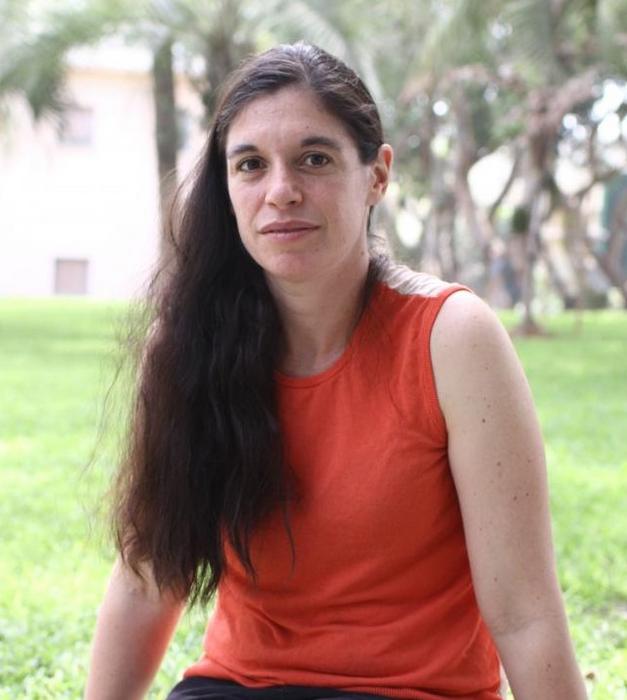
Credit: Dr. Ilana Kolodkin-Gal
A recent study led by Dr. Ilana Kolodkin-Gal from the Scojen Institute for Synthetic Biology at Reichman University, which is headed by Prof. Yosi Sacham, found that the beneficial bacteria, such as Bacillus subtilis — which is used, among other things, as a probiotic and a biological control agent — have memory. The bacteria are able to express genes associated with colonization and symbiosis with their host for generations, even after being detached from the host. This transfer of information between generations of bacteria allows them to efficiently recolonize a new host, giving them an advantage over naïve bacteria that have never formed a stable interaction with a plant. The genes with multigenerational inheritance patterns were associated with resistance to stress, highlighting the importance of the defenses that the bacteria develop during plant colonization. This multigenerational inheritance stabilizes the interactions of the beneficial bacteria with their host. The researchers believe that similar mechanisms enable the multigenerational interaction of beneficial probiotic bacteria from the same group in the human gut, enabling long-term protection against disease.
The study was published in a journal from the prestigious Elsevier Group and was conducted in collaboration with Jonathan Friedman’s group from the Hebrew University of Jerusalem and Asaph Aharoni’s group from the Weizmann Institute of Science. Among the researchers who participated in the study are Dr. Omri Gilhar from the Weizmann Institute of Science and Dr. Liat Rahamim-Ben Navi from the Scojen Institute at Reichman University.
Dr. Ilana Kolodkin-Gal, Scojen Institute, Reichman University: “Our research findings make it possible to manipulate the identified genes to create synthetic circuits with memory for agricultural and industrial applications, and to improve the engineering of probiotic bacteria, whose average lifespan is about 30 minutes. We aim for them to act in accordance with the signal they receive for hours or even days.”
Journal
Microbiological Research
DOI
10.1016/j.micres.2024.127814
Method of Research
Experimental study
Subject of Research
Cells
Article Title
Multigenerational inheritance drives symbiotic interactions of the bacterium Bacillus subtilis with its plant host
Article Publication Date
1-Jul-2024