Bringing a puppy home is usually a happy event, but sometimes the life change that comes with it can provoke significant negative emotions. Researchers found that almost half of dog owners experience anxiety, weariness or frustration during their dog’s puppyhood stage.
Credit: mage: Kaisa Eskola
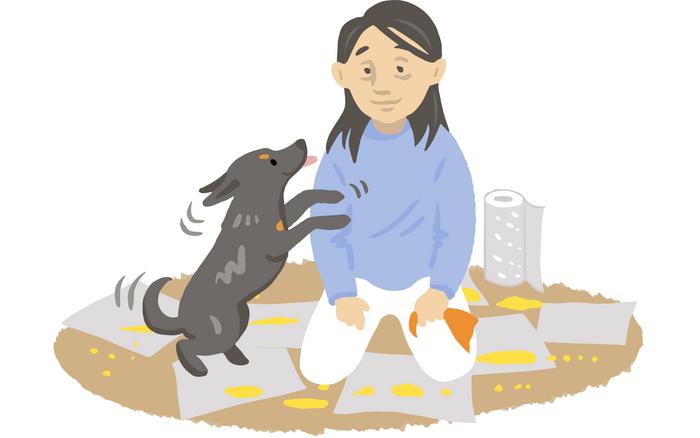
Bringing a puppy home is usually a happy event, but sometimes the life change that comes with it can provoke significant negative emotions. Researchers found that almost half of dog owners experience anxiety, weariness or frustration during their dog’s puppyhood stage.
According to a study at the University of Helsinki, some dog owners experience feelings similar to the post-natal baby blues – a short-term drop in mood and melancholy – when their dog is a puppy. Caring for a puppy gives rise to a variety of worries, fears and frustration, and it can be difficult to bond with the dog.
“The study found that these so-called ‘puppy blues’ manifest in three ways: anxiety, frustration and weariness. These often occur concurrently, but in some cases one or two of the three may be particularly prominent,” says Psychologist and Doctoral Researcher Aada Ståhl.
An anxious puppy owner’s thoughts are coloured by concerns about the puppy’s wellbeing and development, as well as about their own inadequacy in looking after their dog. Owners might blame themselves when things do not go as planned.
A frustrated puppy owner can experience dissatisfaction and stress as a result of the strain and unexpected challenges of caring for a puppy. They might find it difficult to build an emotional bond with the puppy, wish they had never got the puppy and consider relinquishing the dog.
For the exhausted puppy owner, puppyhood is a time of mental and physical strain. They might have trouble sleeping, and find the constant attention and time the puppy needs tiring and anxiety-inducing.
“Just under half of owners report having had significant negative experiences during their dog’s puppyhood phase, with only about a tenth reporting the most severe levels of strain. This is in line with the prevalence of postnatal depression. However, the negative feelings fade relatively quickly,” says Professor Hannes Lohi.
One interesting finding was that the longer the amount of time that had passed since puppyhood, the more positively people remembered it. In other words, the negative emotional content of memories of puppyhood ‘fades’ over time.
A phenomenon familiar to dog owners is now measurable for further research
The study first collected the experiences of over 100 dog owners who had experienced emotional strain after bringing a puppy home. Based on this data, a survey was developed to measure the ‘puppy blues’. The new survey collected responses from more than 2,000 dog owners, with measures taken to ensure the validity and reliability of the survey.
“Capturing the phenomenon in a measurable form is important if we are to better understand its characteristics, prevalence and duration. This will also allow us to improve understanding of the factors that may predispose owners to or protect them from the ‘puppy blues’, which will help us to develop prevention and support measures,” says Ståhl.
The study represents a new opening in the study of the relationship between humans and pets. Although the term ‘puppy blues’ is commonly used among dog owners, no comprehensive research had been done on the subject before. Exploring this phenomenon will raise awareness, which can help people to prepare for negative feelings and to better recognise and understand their own experiences.
The study is part of a wider project by Professor Hannes Lohi’s research group, which is investigating the relationship between owner and animal and its importance for wellbeing.
DOI
10.1038/s44184-024-00072-z
Article Title
Development and validation of the puppy blues scale measuring temporary affective disturbance resembling baby blues