In an era where sustainable energy is paramount, a groundbreaking study provides critical insights into battery health management. It meticulously examines the design, optimization, fault detection, and recycling of Lithium-ion, Lead Acid, and Nickel Metal Hydride (NiMH) batteries—crucial components for the next generation of portable devices, electric vehicles, and renewable energy systems.
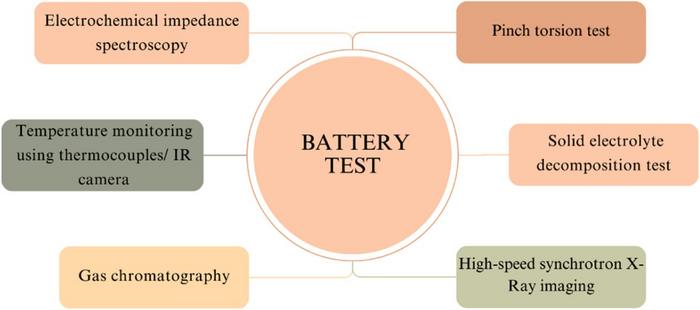
Credit: Pavel M. Roy, et al.
In an era where sustainable energy is paramount, a groundbreaking study provides critical insights into battery health management. It meticulously examines the design, optimization, fault detection, and recycling of Lithium-ion, Lead Acid, and Nickel Metal Hydride (NiMH) batteries—crucial components for the next generation of portable devices, electric vehicles, and renewable energy systems.
As our reliance on electric vehicles and renewable energy systems grows, so does the demand for efficient and sustainable battery technologies. The challenges of performance degradation, safety concerns, and environmental impact loom large. The need of the hour is to innovate in battery design, optimization, and fault detection, and to develop effective recycling strategies to minimize ecological footprint. The urgency calls for in-depth research to propel battery health management forward and foster sustainable energy storage solutions.
Researchers from the Industrial Tribology Laboratory have unveiled a comprehensive study on battery health management. Their work, published (DOI: 10.1016/j.enss.2024.04.001) on April 16, 2024, in the esteemed Energy Storage and Saving journal, presents an in-depth analysis of battery design, manufacturing processes, fault detection strategies, and cutting-edge recycling techniques.
This groundbreaking research meticulously explores the nuances of battery design and optimization, emphasizing the refinement of electrode materials and configurations to maximize energy density, performance, and safety. Machine learning (ML) techniques are highlighted for their role in enhancing electrolyte penetration and ion transport in Li-ion batteries. The study underscores the criticality of early fault detection through Artificial Intelligence (AI) and ML, vital for preventing battery failures and extending their lifespan. Innovative methods such as dual-wavelength photoelectric and electrochemical detection for monitoring thermal runaway in real-time are also presented. The paper evaluates various recycling methods, including pyrometallurgy, hydrometallurgy, mechanical separation, and electrodialysis, for their environmental impact and efficiency, championing sustainable practices.
Dr. S.H. Gawande, a foremost authority and lead author of the study, remarked, “Our research underscores the critical role of integrating sophisticated technologies like AI and ML for early battery fault detection. These innovations are pivotal for bolstering battery reliability and safety. Moreover, embracing sustainable recycling practices is fundamental in mitigating the environmental repercussions of battery disposal. Our findings are poised to guide future innovations in battery technology, with an unwavering focus on both efficiency and environmental stewardship.”
The implications of this study resonate across industries. The optimization of battery design and fault detection mechanisms will enhance safety and reliability, particularly beneficial for the electric vehicle and renewable energy sectors. The spotlight on sustainable recycling strategies is set to reduce the environmental impact of battery waste. The integration of AI and ML in battery health management is set to raise the bar for technological standards, sparking further innovation and research in the field.
###
Media contact:
Name: Yue Yang
Email: [email protected]
Journal
Energy Storage and Saving
DOI
10.1016/j.enss.2024.04.001
Article Title
Battery Health Management- A Perspective of Design, Optimization, Manufacturing, Fault Detection, and Recycling
Article Publication Date
16-Mar-2024