CLEVELAND—University Hospitals (UH) Brain Health & Memory Center is now treating patients with LEQEMBI® (lecanemab), a Food and Drug Administration-approved medication for the treatment of Alzheimer’s disease.
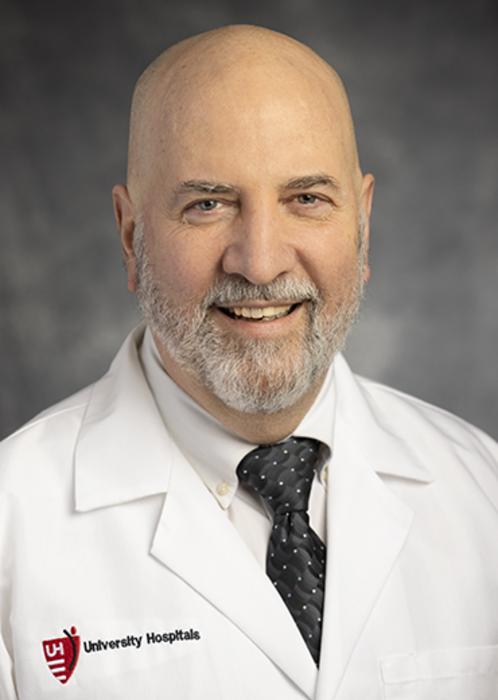
Credit: University Hospitals
CLEVELAND—University Hospitals (UH) Brain Health & Memory Center is now treating patients with LEQEMBI® (lecanemab), a Food and Drug Administration-approved medication for the treatment of Alzheimer’s disease.
“Those with Alzheimer’s disease often have an abnormal buildup of plaques in their brain that contain a protein called beta-amyloid,” said Charles J. Duffy, MD, PhD, neurologist and Director of the Brain Health & Memory Center within the UH Neurological Institute. “Lecanemab is an IV medication designed to target and remove these plaques, and has the potential to slow cognitive and functional decline if started in the early stages of the disease. We’re happy to be able to offer this breakthrough treatment to our patients at UH.”
Lecanemab is administered every two weeks through IV infusion, with each session lasting about one hour. Infusions occur for one year for a total of 26 treatments. Patients are monitored for a period of time after each infusion to ensure there are no negative reactions to the drug.
“This new drug has shown significant promise in clinical trials and may be a treatment option for patients with mild cognitive impairment and mild dementia due to Alzheimer’s disease. While there currently is no cure for Alzheimer’s, lecanemab may slow progression of the disease, enhance patients’ ability to participate in daily life, and allow them to live independently for a longer period of time,” explained Dr. Duffy, who also holds the A. William and Joanne Reynolds Chair in Brain Health at UH and is a professor at Case Western Reserve University School of Medicine.
Those with symptoms of early Alzheimer’s disease and the confirmed presence of beta-amyloid plaques in the brain may be eligible for treatment with lecanemab. Early symptoms of Alzheimer’s may include: mild cognitive impairment, such as forgetfulness and confusion, and mild dementia, such as difficulty performing familiar tasks. The therapy has not been tested on people with advanced Alzheimer’s or those without clinical symptoms.
Although there is no single diagnostic test to confirm Alzheimer’s disease, physicians may use a variety of approaches to help them make a diagnosis and determine if treatment with lecanemab might be appropriate. Tests and procedures may include: Comprehensive personal and family medical history; Mental status tests; Physical and neurological exams; Blood tests; Spinal tap to remove a sample of cerebrospinal fluid for testing; MRI of the brain; and PET scan of the brain to look for the presence of beta-amyloid plaques.
Patients approved to receive lecanemab therapy will be carefully monitored at set intervals as determined by their physician. Subsequent brain MRIs and lab tests will be obtained periodically to monitor for side effects of treatment.
To learn more about this treatment, visit: https://www.uhhospitals.org/services/neurology-and-neurosurgery-services/conditions-and-treatments/brain-health-and-memory/lecanemab-for-alzheimers
###
About University Hospitals / Cleveland, Ohio
Founded in 1866, University Hospitals serves the needs of patients through an integrated network of 21 hospitals (including five joint ventures), more than 50 health centers and outpatient facilities, and over 200 physician offices in 16 counties throughout northern Ohio. The system’s flagship quaternary care, academic medical center, University Hospitals Cleveland Medical Center, is affiliated with Case Western Reserve University School of Medicine, Northeast Ohio Medical University, Oxford University, the Technion Israel Institute of Technology and National Taiwan University College of Medicine. The main campus also includes the UH Rainbow Babies & Children’s Hospital, ranked among the top children’s hospitals in the nation; UH MacDonald Women’s Hospital, Ohio’s only hospital for women; and UH Seidman Cancer Center, part of the NCI-designated Case Comprehensive Cancer Center. UH is home to some of the most prestigious clinical and research programs in the nation, with more than 3,000 active clinical trials and research studies underway. UH Cleveland Medical Center is perennially among the highest performers in national ranking surveys, including “America’s Best Hospitals” from U.S. News & World Report. UH is also home to 19 Clinical Care Delivery and Research Institutes. UH is one of the largest employers in Northeast Ohio with more than 30,000 employees. Follow UH on LinkedIn, Facebook and Twitter. For more information, visit UHhospitals.org.