• HOME
  • NEWS
  • EXPLORE
    • CAREER
      • Companies
      • Jobs
    • EVENTS
    • iGEM
      • News
      • Team
    • PHOTOS
    • VIDEO
    • WIKI
  • BLOG
  • COMMUNITY
    • FACEBOOK
    • INSTAGRAM
    • TWITTER
Sunday, October 4, 2026
BIOENGINEER.ORG
No Result
View All Result
  • Login
  • HOME
  • NEWS
  • EXPLORE
    • CAREER
      • Companies
      • Jobs
        • Lecturer
        • PhD Studentship
        • Postdoc
        • Research Assistant
    • EVENTS
    • iGEM
      • News
      • Team
    • PHOTOS
    • VIDEO
    • WIKI
  • BLOG
  • COMMUNITY
    • FACEBOOK
    • INSTAGRAM
    • TWITTER
No Result
View All Result
Bioengineer.org
No Result
View All Result
Home NEWS Science News

Refined method offers new piece in the cancer puzzle

Bioengineer by Bioengineer
February 8, 2017
in Science News
Reading Time: 3 mins read
0
Share on FacebookShare on TwitterShare on LinkedinShare on RedditShare on Telegram
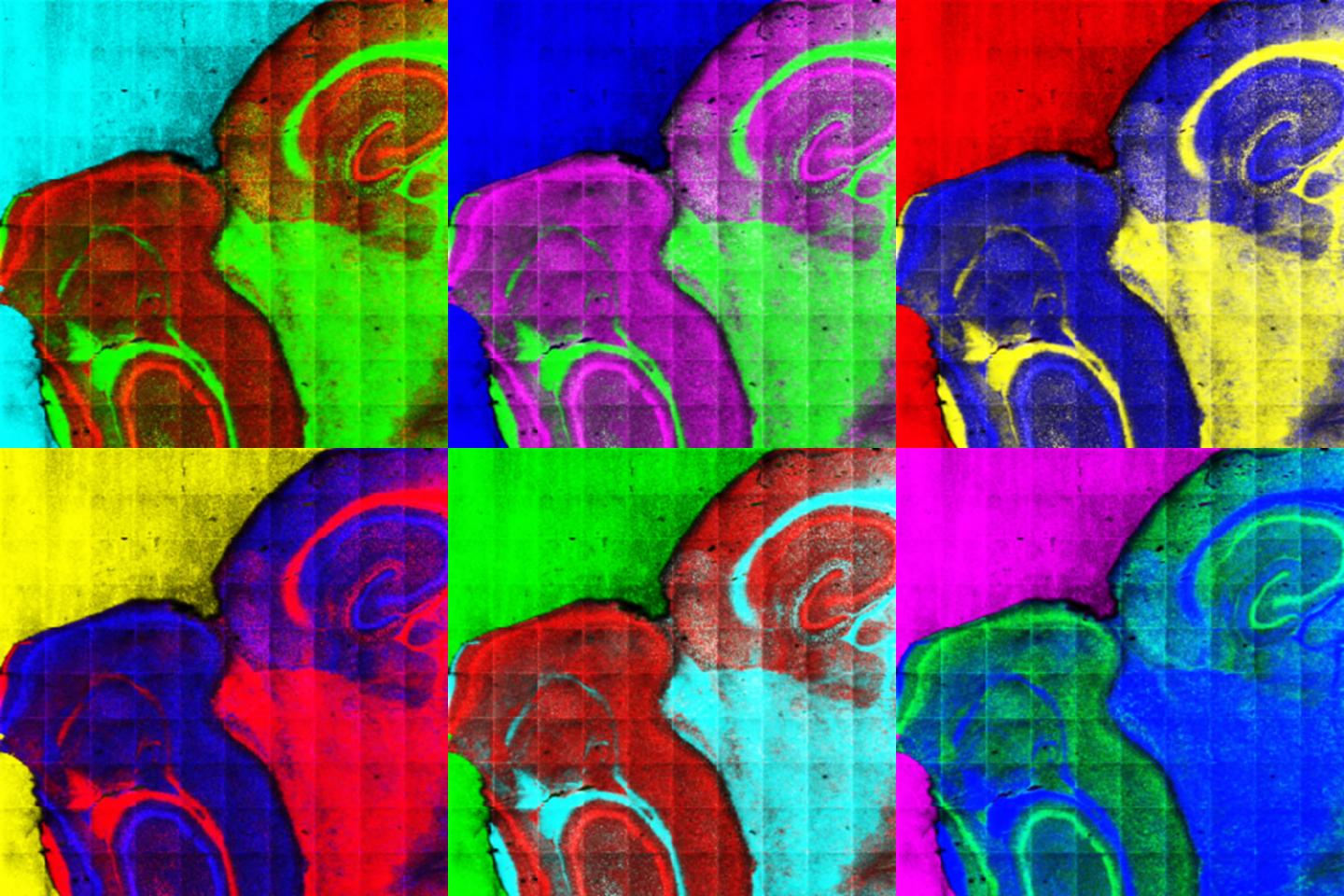
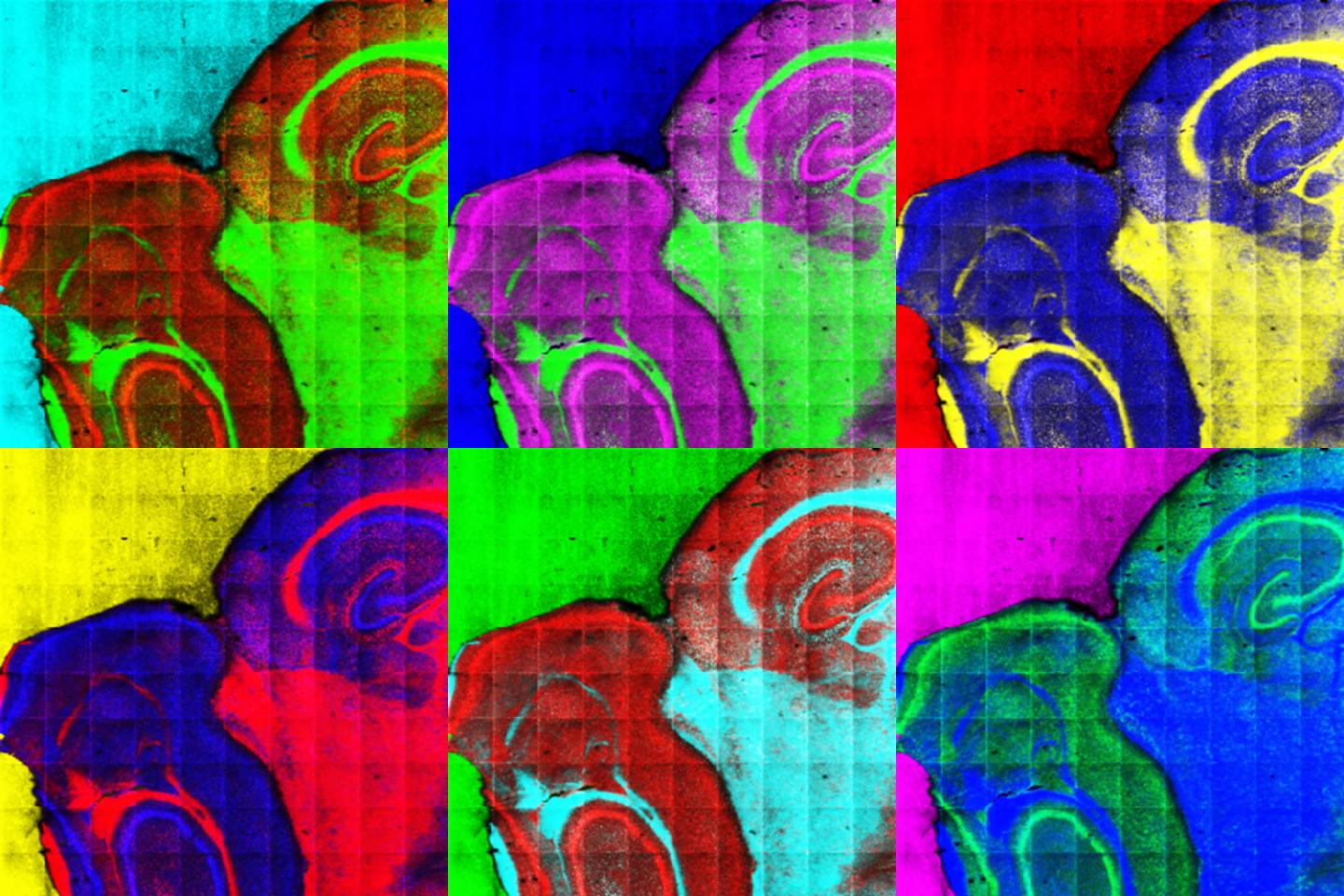
IMAGE

Credit: The University of Gothenburg

A special spectrometry method that is normally used in analyses of computer chips, lacquers and metals has been further developed at the University of Gothenburg so that it can help researchers better detect harmful cells in the body.

'The method may become important for example for future analyses of breast cancer tissue,' says PhD student Tina Angerer.

The method can be described as first releasing molecules and atoms from a piece of tissue by shooting gas projectiles at it and then using so-called mass spectrometry to identify the released particles. The process is repeated many times until the entire tissue surface has been analysed and Angerer and her research colleagues have created a 'chemical map' of the tissue.

The method is normally used when analysing inorganic material such as computer chips, lacquers, rust, semiconductors and metals. In those cases, the process is destructive and destroys a great deal of the information. However, the University of Gothenburg has a unique instrument that is optimised for organic and biological materials such as cell and tissue samples.

'What's special about it is that with our instruments, the "bombardment" is softer so that large molecules can be analysed at the same time as the chemical pictures we take still have good resolution,' says Angerer.

Lipids play a key role in the cell

The tested samples include cancer tissue, and the researchers have given particular attention to lipids. Lipids consist of fatty acids, which are interesting objects of study since they form important building blocks of cells and protect them against the environment. Lipids can change rapidly and reveal problems in the cell.

While most cells in the body build their lipids with fatty acids derived from the food we eat, Angerer's mass spectrometry results show that cancer cells build their fatty acids by using various types of sugar, but also fat and protein to some extent.

Researchers have long known that cancer cells consume great amounts of sugar and have entertained the idea that cancer cells may create their own fatty acids. However, no evidence of this has been presented.

'We have been able to show that fatty acids from food can be found around cancer tissue and in healthy cells, but that cancer cells consist almost exclusively of fatty acids that the cells have created by themselves. This means that cancer cells can grow and multiply as long as they have enough sugar, and this is one reason they are so dangerous.

The refined mass spectrometry method also revealed that the area where the cancer tumour was found displayed a variety of lipid profiles.

'Those variations may be one reason why it is so hard to come up with a treatment that works for all cancer cells. The lipids are one of several keys to understanding cancer, at the same time as more research is needed in order to develop better treatments,' says Angerer.

###

Thesis title: Interrogation of Biological Samples by ToF-SIMS Using New Primary Ion Beams and Sample Preparation Methods

Link: http://hdl.handle.net/2077/50294

Supervisor: John S. Fletcher

Contact: Tina Angerer at the Department of Chemistry and Molecular Biology
[email protected], [email protected]
Tel.: +46 (0)739 44 88 29

Media Contact

Tina Angerer
[email protected]
46-073-944-8829
@uniofgothenburg

http://www.gu.se/english

############

Story Source: Materials provided by Scienmag

Share12Tweet8Share2ShareShareShare2

Related Posts

Five Faces of Fear: How Cancer Patients Cope When War Comes to the Hospital Door

Five Faces of Fear: How Cancer Patients Cope When War Comes to the Hospital Door

October 4, 2026
Alcohol-Powered Fuel Cells Edge Closer to Market as Engineers Tame Leaky Membranes and Costly Catalysts

Alcohol-Powered Fuel Cells Edge Closer to Market as Engineers Tame Leaky Membranes and Costly Catalysts

October 4, 2026

A Hidden RNA Switch May Shape Cashmere Goat Hair Follicles Before Birth

October 4, 2026

Viral Protein Weakens Rice Cell Walls, Boosting Virus Infection but Blocking Insect Pests

October 4, 2026
Please login to join discussion

POPULAR NEWS

  • Alloys That Shrink Their Own Grains: New PIX Mechanism Refines Metals With Heat Alone

    Alloys That Shrink Their Own Grains: New PIX Mechanism Refines Metals With Heat Alone

    29 shares
    Share 12 Tweet 7
  • Endurance Exercise Reshapes the Liver in Males and Females Through Distinct Molecular Routes

    29 shares
    Share 12 Tweet 7
  • Single Transcription Factor PU.1 Rapidly Converts Fibroblasts into Macrophage-Lineage Cells

    29 shares
    Share 12 Tweet 7
  • New Scale Measures How Ready Nurse Educators Really Are for the AI Era

    29 shares
    Share 12 Tweet 7

About

We bring you the latest biotechnology news from best research centers and universities around the world. Check our website.

Follow us

Recent News

Alloys That Shrink Their Own Grains: New PIX Mechanism Refines Metals With Heat Alone

Endurance Exercise Reshapes the Liver in Males and Females Through Distinct Molecular Routes

Single Transcription Factor PU.1 Rapidly Converts Fibroblasts into Macrophage-Lineage Cells

Subscribe to Blog via Email

Success! An email was just sent to confirm your subscription. Please find the email now and click 'Confirm' to start subscribing.

Join 85 other subscribers
  • Contact Us

Bioengineer.org © Copyright 2023 All Rights Reserved.

Welcome Back!

Login to your account below

Forgotten Password?

Retrieve your password

Please enter your username or email address to reset your password.

Log In
No Result
View All Result
  • Homepages
    • Home Page 1
    • Home Page 2
  • News
  • National
  • Business
  • Health
  • Lifestyle
  • Science

Bioengineer.org © Copyright 2023 All Rights Reserved.