Scientists from the University of Rhode Island and the Northeast Fisheries Science Center have made significant progress in understanding the stranding locations of cold-stunned sea turtles in Cape Cod Bay, Massachusetts. Their research, published in PeerJ Life & Environment titled “Developing bottom drifters to better understand the stranding locations of cold-stunned sea turtles in Cape Cod Bay, Massachusetts,” sheds new light on the critical issue of juvenile sea turtles’ vulnerability to rapidly declining water temperatures during the fall season.
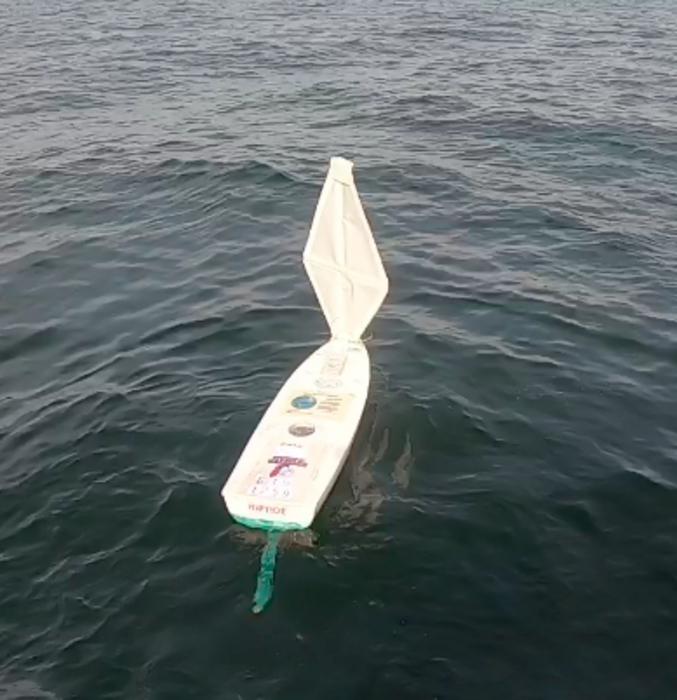
Credit: Educational Passages
Scientists from the University of Rhode Island and the Northeast Fisheries Science Center have made significant progress in understanding the stranding locations of cold-stunned sea turtles in Cape Cod Bay, Massachusetts. Their research, published in PeerJ Life & Environment titled “Developing bottom drifters to better understand the stranding locations of cold-stunned sea turtles in Cape Cod Bay, Massachusetts,” sheds new light on the critical issue of juvenile sea turtles’ vulnerability to rapidly declining water temperatures during the fall season.
Cold-stunning occurs when sea turtles lose mobility due to extreme hypothermia, leading them to become stranded at the shoreline. The phenomenon poses a significant threat to the survival of these vulnerable marine creatures, prompting rescue teams affiliated with the Sea Turtle Stranding and Salvage Network to conduct search and recovery efforts to save them.
In the pursuit of improving the understanding of stranding hotspots and increasing the likelihood of successful discovery and recovery of cold-stunned sea turtles, the research team recognized the importance of comprehending the effects of ocean currents on potential stranding locations. Prior research utilizing traditional oceanographic drifters—tools used to track currents—yielded valuable insights but did not account for sea turtle morphology and how bottom currents impact stranding locations.
To address these critical knowledge gaps, the team of scientists developed innovative drifters designed to mimic the shape and dimensions of sea turtles. These new drifters consisted of two types — one capable of floating at the surface and the other sinking to the ocean floor — to track both surface and bottom currents in Cape Cod Bay accurately.
The results of the study revealed a significant difference between the trajectories of the newly designed drifter models and those previously used for similar research. This novel finding represents a substantial step forward in identifying the transport pathways for cold-stunned sea turtles in Cape Cod Bay.
“Sea turtle conservation relies heavily on volunteers for the recovery of stranded sea turtles and this research helps to improve these efforts—bringings us one step closer to decreasing the time turtles and volunteers spend in harsh winter conditions. Research like this also brings community members together through outreach and engagement.” – Lead Author Felicia M. Page
The study’s findings hold promising implications for conservationists, rescue teams, and researchers dedicated to protecting cold-stunned sea turtles. By gaining deeper insights into the factors influencing sea turtle stranding locations, rescue operations can be optimized, potentially saving more lives and aiding in the preservation of these majestic creatures.
About the University of Rhode Island: The University of Rhode Island is a renowned public research university committed to fostering innovation, advancing knowledge, and creating a positive impact on society through cutting-edge research across various disciplines.
About the Northeast Fisheries Science Center: The Northeast Fisheries Science Center is a leading institution dedicated to studying and managing marine fisheries in the Northeast region of the United States. Their work contributes significantly to understanding and conserving marine ecosystems and resources.
Journal
PeerJ
DOI
10.7717/peerj.15866
Article Title
Developing bottom drifters to better understand the stranding locations of cold-stunned sea turtles in Cape Cod Bay, Massachusetts
Article Publication Date
30-Aug-2023