In a novel effort to create the next generation of plant-based, protein-rich environmentally sustainable and savory alternatives to animal meat, a University of Massachusetts Amherst food scientist has turned his attention to soybean meal.
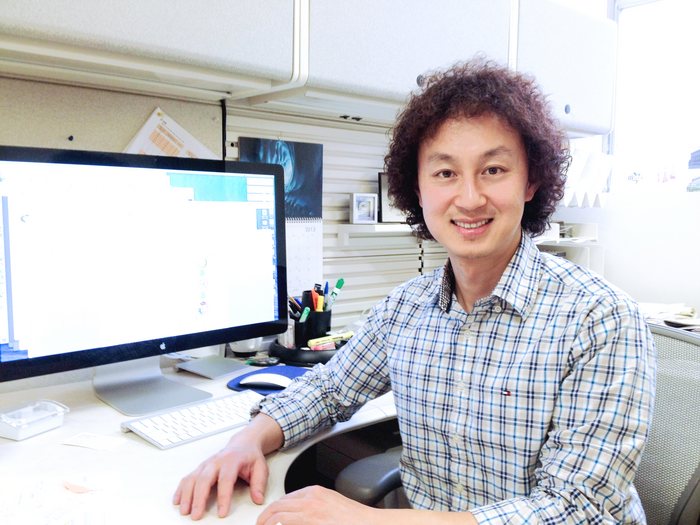
Credit: UMass Amherst
In a novel effort to create the next generation of plant-based, protein-rich environmentally sustainable and savory alternatives to animal meat, a University of Massachusetts Amherst food scientist has turned his attention to soybean meal.
Globally, this byproduct of soybean oil extraction is used almost exclusively for animal feed. In the U.S. alone, some 48 million metric tons of soybean meal was produced in 2022, according to the USDA.
“After the oil extraction, the majority of the protein is in the meal, not the oil,” says Hang Xiao, professor and Clydesdale Scholar of Food Science. “It’s a high-quality protein compared to other plant-based protein.”
Xiao, perennially named to the list of the world’s Most Highly Cited Scientists in Agriculture, has been awarded a three-year, $601,000 grant from the USDA’s National Institute of Food and Agriculture to dig deep into the genomics of the fungus used in soybean meal fermentation to answer this question: “How can we make these byproducts into something edible – something delicious – for human consumption?”
Xiao is leading a multidisciplinary team of food scientists at the UMass Clydesdale Center for Foods for Health and Wellness, where researchers focus on food design for improved health and safety in state-of-the-art facilities. Joining Xiao are John Gibbons (food fermentation and biostatistics); Alissa Nolden (sensory science); David Julian McClements (novel food processing for enhanced functionality); and Eric Decker (food chemistry and food processing).
The team’s project was inspired by a historic use for soybeans, Xiao says. Hundreds of years ago, Asian people who couldn’t afford meat fermented soybeans to make tempeh, popular today among vegetarians and vegans. “Poor people wanted the soybeans to taste like real meat,” he explains. “After fermentation, the texture of the soybean becomes more chewy, so it tastes like a piece of meat or jerky. You can slice it or cut it or stir-fry or steam it.”
The UMass researchers will make protein products not from the whole soybeans, the traditional method, but from the soybean meal, using “smart fermentation” that can pinpoint attributes of flavor, texture and nutrition.
“Currently, tempeh fermentation is done mostly empirically without a scientific understanding of the molecular basis of fungal fermentation – for example, which gene of the fungal starter is responsible for specific product functionality, such as nutritional and sensory properties,” Xiao explains.
During tempeh fermentation, the action of the fungi transforms the nutritional components of soybean meal, including polyphenols, flavonoids, proteins and amino acids. The researchers will conduct genomics profiling and sequence the RNA of 20 different strains of the fungus Rhizopus spp to identify the functional genes responsible for the chemical and biological changes in the different food components.
“With this knowledge, we will be able to manipulate the genetic makeup and combine traits from different fungi strains to optimize their function,” Xiao says. “We will create a library of genes to produce more nutritional and more delicious tempeh food, and we can be very creative.”
The researchers will also conduct consumer acceptability tests for feedback on the products’ appearance, smell, texture and flavor.
“The ultimate goal,” Xiao says, “is to produce something we want to eat using a scientific and targeted approach.”