• HOME
  • NEWS
  • EXPLORE
    • CAREER
      • Companies
      • Jobs
    • EVENTS
    • iGEM
      • News
      • Team
    • PHOTOS
    • VIDEO
    • WIKI
  • BLOG
  • COMMUNITY
    • FACEBOOK
    • INSTAGRAM
    • TWITTER
Saturday, February 7, 2026
BIOENGINEER.ORG
No Result
View All Result
  • Login
  • HOME
  • NEWS
  • EXPLORE
    • CAREER
      • Companies
      • Jobs
        • Lecturer
        • PhD Studentship
        • Postdoc
        • Research Assistant
    • EVENTS
    • iGEM
      • News
      • Team
    • PHOTOS
    • VIDEO
    • WIKI
  • BLOG
  • COMMUNITY
    • FACEBOOK
    • INSTAGRAM
    • TWITTER
  • HOME
  • NEWS
  • EXPLORE
    • CAREER
      • Companies
      • Jobs
        • Lecturer
        • PhD Studentship
        • Postdoc
        • Research Assistant
    • EVENTS
    • iGEM
      • News
      • Team
    • PHOTOS
    • VIDEO
    • WIKI
  • BLOG
  • COMMUNITY
    • FACEBOOK
    • INSTAGRAM
    • TWITTER
No Result
View All Result
Bioengineer.org
No Result
View All Result
Home NEWS Science News Health

City or country living? Research reveals psychological differences

Bioengineer by Bioengineer
March 13, 2023
in Health
Reading Time: 2 mins read
0
Olivia Atherton, University of Houston assistant professor of psychology
Share on FacebookShare on TwitterShare on LinkedinShare on RedditShare on Telegram

Living in the country, in rural areas, has long been idealized as a pristine place to raise a family. After all, open air and room to run free pose distinct advantages. But new findings from a University of Houston psychology study indicate that Americans who live in more rural areas tend to be more anxious and depressed, as well as less open-minded and more neurotic. The study also revealed those living in the country were not more satisfied with their lives nor did they have more purpose, or meaning in life, than people who lived in urban areas.  
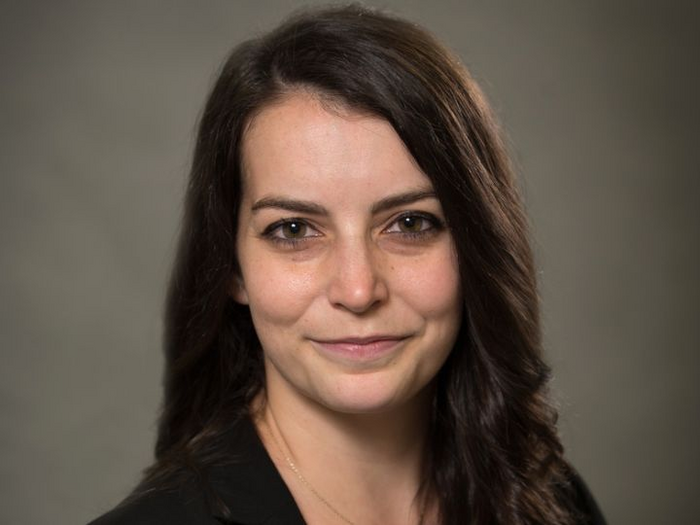
Olivia Atherton, University of Houston assistant professor of psychology

Credit: University of Houston

Living in the country, in rural areas, has long been idealized as a pristine place to raise a family. After all, open air and room to run free pose distinct advantages. But new findings from a University of Houston psychology study indicate that Americans who live in more rural areas tend to be more anxious and depressed, as well as less open-minded and more neurotic. The study also revealed those living in the country were not more satisfied with their lives nor did they have more purpose, or meaning in life, than people who lived in urban areas.  

The research points to disparities in access to psychological services as one potential reason for these psychological differences. 

Since 2010, there has been a surge in rural hospital closures that has also contributed to a reduction in the health care provider workforce, including mental health professionals. Almost 85% of all rural counties have a mental health professional shortage despite rural residents desiring more psychological services.  

“It will be critical to improve access to psychological services in remote areas and to identify how characteristics and values of rural communities can be leveraged to promote positive psychological health,” reports Olivia Atherton, assistant professor of psychology, in the Journal of Personality.  

To conduct her research, Atherton analyzed data from two large longitudinal studies of U.S. Americans: Midlife in the United States (MIDUS) and the Health and Retirement Study (HRS). She examined whether there are rural-urban differences in levels and changes in the Big Five personality traits (extraversion, agreeableness, openness, conscientiousness, neuroticism) and well-being (psychological well-being, life satisfaction) across adulthood.   

The study fills important gaps in the literature by showing that where people live can impact personality and well-being in adulthood, while simultaneously raising more questions for future work to explore.   

“Given the far-reaching consequences of rural health disparities for individuals, families and communities, there is a pressing need to identify the psychological, social and structural mechanisms responsible for disparities and the ways in which to intervene upon those mechanisms to improve the health of rural Americans,” said Atherton. 


Journal

Journal of Personality

Subject of Research

People

Article Title

Rural–urban differences in personality traits and well-being in adulthood

Article Publication Date

1-Feb-2023

Share12Tweet8Share2ShareShareShare2

Related Posts

Phage-Antibiotic Combo Beats Resistant Peritoneal Infection

February 7, 2026

Boosting Remote Healthcare: Stepped-Wedge Trial Insights

February 7, 2026

Barriers and Boosters of Seniors’ Physical Activity in Karachi

February 7, 2026

Evaluating Pediatric Emergency Care Quality in Ethiopia

February 7, 2026

POPULAR NEWS

  • Robotic Ureteral Reconstruction: A Novel Approach

    Robotic Ureteral Reconstruction: A Novel Approach

    82 shares
    Share 33 Tweet 21
  • Digital Privacy: Health Data Control in Incarceration

    63 shares
    Share 25 Tweet 16
  • Study Reveals Lipid Accumulation in ME/CFS Cells

    57 shares
    Share 23 Tweet 14
  • Breakthrough in RNA Research Accelerates Medical Innovations Timeline

    53 shares
    Share 21 Tweet 13

About

We bring you the latest biotechnology news from best research centers and universities around the world. Check our website.

Follow us

Recent News

Phage-Antibiotic Combo Beats Resistant Peritoneal Infection

Boosting Remote Healthcare: Stepped-Wedge Trial Insights

Barriers and Boosters of Seniors’ Physical Activity in Karachi

Subscribe to Blog via Email

Enter your email address to subscribe to this blog and receive notifications of new posts by email.

Join 73 other subscribers
  • Contact Us

Bioengineer.org © Copyright 2023 All Rights Reserved.

Welcome Back!

Login to your account below

Forgotten Password?

Retrieve your password

Please enter your username or email address to reset your password.

Log In
No Result
View All Result
  • Homepages
    • Home Page 1
    • Home Page 2
  • News
  • National
  • Business
  • Health
  • Lifestyle
  • Science

Bioengineer.org © Copyright 2023 All Rights Reserved.