HOUSTON ― Researchers at The University of Texas MD Anderson Cancer Center have identified a specific gut bacterium involved in the progression of graft-versus-host disease (GVHD) after antibiotic treatment of allogeneic hematopoietic stem cell transplantation (allo-HSCT) and discovered that nutritional supplementation can prevent antibiotic-induced GVHD in preclinical models, according to a study published today in Cell.
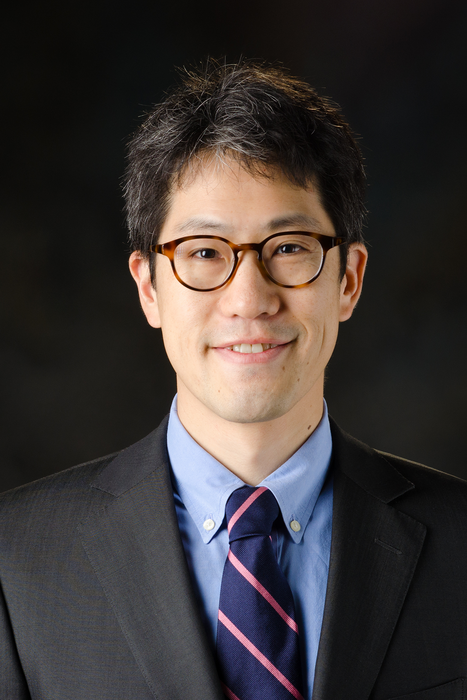
Credit: MD Anderson Cancer Center
HOUSTON ― Researchers at The University of Texas MD Anderson Cancer Center have identified a specific gut bacterium involved in the progression of graft-versus-host disease (GVHD) after antibiotic treatment of allogeneic hematopoietic stem cell transplantation (allo-HSCT) and discovered that nutritional supplementation can prevent antibiotic-induced GVHD in preclinical models, according to a study published today in Cell.
Researchers led by Eiko Hayase, M.D., Ph.D., postdoctoral fellow, and corresponding author Robert Jenq, M.D., associate professor of Genomic Medicine, discovered that certain antibiotics alter the sugar composition of the gut, forcing a normally beneficial species of bacteria to consume mucin in the intestinal lining, which can lead to complications such as GVHD.
“Knowing that this family of bacteria prefers certain types of sugars, we hypothesized that adding a sugar would, in a way, distract it from attacking the mucin in the gut and reduce these effects, which was the case,” Hayase said. “Through nutritional changes in these models, we learned we can change the microbiome function and help avoid adverse events.”
Allogeneic hematopoietic stem cell transplantation is a specialized treatment for blood cancers, such as leukemia and lymphomas, in which patients receive healthy hematopoietic stem cells from a donor to replace their own, which may be malignant or damaged by other treatments. Broad-spectrum antibiotics often given during allo-HSCT have been linked to an increase in developing GVHD — a condition in which donor immune cells attack the recipient tissues — but the underlying reasons for this have remained unclear.
One option to prevent complications after antibiotic treatment in allo-HSCT patients is fecal microbiota transplantation (FMT), a clinical procedure that transfers healthy bacteria from a screened donor to the GI tract of the recipient. However, this method has not yet been studied in randomized clinical trials, highlighting an unmet need for alternative therapeutic strategies that can help prevent complications.
In this study, treating allo-HSCT laboratory models with meropenem — a commonly used broad-spectrum antibiotic — resulted in a thinned colonic mucus layer and intestinal GVHD. Interestingly, their microbiome changed significantly through antibiotic removal of beneficial bacteria and expansion of a specific species, Bacteroides thetaiotaomicron (BT), in the intestinal lining.
Further investigation showed a significant decrease in the amount of the sugar xylose in the gut after meropenem treatment. Noting this, the researchers administered oral xylose as a nutritional supplement and found the gut mucus layer once again thickened, as the BT was able to preferentially consume the sugar instead of the mucin lining.
While previous work has investigated the gut microbiome and its relationship to inflammation and GVHD, this study was able to specifically identify the bacteria responsible for contributing to thinned mucus lining. Moreover, there had not previously been a clear understanding of how the sugar composition in the gut is altered by antibiotics, or how it affects GVHD following allo-HSCT.
“We are not aware of anyone previously trying a sugar supplementation strategy for suppressing gut inflammation from GVHD, so this offers a compelling, low-risk approach in helping allo-HSCT patients who need to be on broad-spectrum antibiotics in order to treat infections,” Jenq said. “This is a novel approach, and we are excited to work on translating this into human trials. If nutritional supplementation with specific sugars works the same way in humans, it could simplify the way we approach therapeutic strategies for similar complications.”
The authors stress that broad-spectrum antibiotics remain beneficial for allo-HSCT patients, and further investigation is needed to understand how this approach can be evaluated in clinical trials. Currently, researchers are collecting human Bacteroides specimens in patients undergoing bone marrow transplants to investigate whether they also preferentially break down mucin.
This research was supported by the National Institutes of Health (2R01HL123112-06, R01 DK118024, 5P30CA016672-42), the Cancer Prevention and Research Institute of Texas (RR160089), and the American Society for Transplantation and Cellular Therapy New Investigator Award (FP00012028). A full list of collaborating authors and their disclosures can be found with the full paper here.
– 30 –
Journal
Cell