• HOME
  • NEWS
  • EXPLORE
    • CAREER
      • Companies
      • Jobs
    • EVENTS
    • iGEM
      • News
      • Team
    • PHOTOS
    • VIDEO
    • WIKI
  • BLOG
  • COMMUNITY
    • FACEBOOK
    • INSTAGRAM
    • TWITTER
Saturday, February 7, 2026
BIOENGINEER.ORG
No Result
View All Result
  • Login
  • HOME
  • NEWS
  • EXPLORE
    • CAREER
      • Companies
      • Jobs
        • Lecturer
        • PhD Studentship
        • Postdoc
        • Research Assistant
    • EVENTS
    • iGEM
      • News
      • Team
    • PHOTOS
    • VIDEO
    • WIKI
  • BLOG
  • COMMUNITY
    • FACEBOOK
    • INSTAGRAM
    • TWITTER
  • HOME
  • NEWS
  • EXPLORE
    • CAREER
      • Companies
      • Jobs
        • Lecturer
        • PhD Studentship
        • Postdoc
        • Research Assistant
    • EVENTS
    • iGEM
      • News
      • Team
    • PHOTOS
    • VIDEO
    • WIKI
  • BLOG
  • COMMUNITY
    • FACEBOOK
    • INSTAGRAM
    • TWITTER
No Result
View All Result
Bioengineer.org
No Result
View All Result
Home NEWS Science News

Wheat virus crosses over, harms native grasses

Bioengineer by Bioengineer
January 17, 2017
in Science News
Reading Time: 2 mins read
0
Share on FacebookShare on TwitterShare on LinkedinShare on RedditShare on Telegram
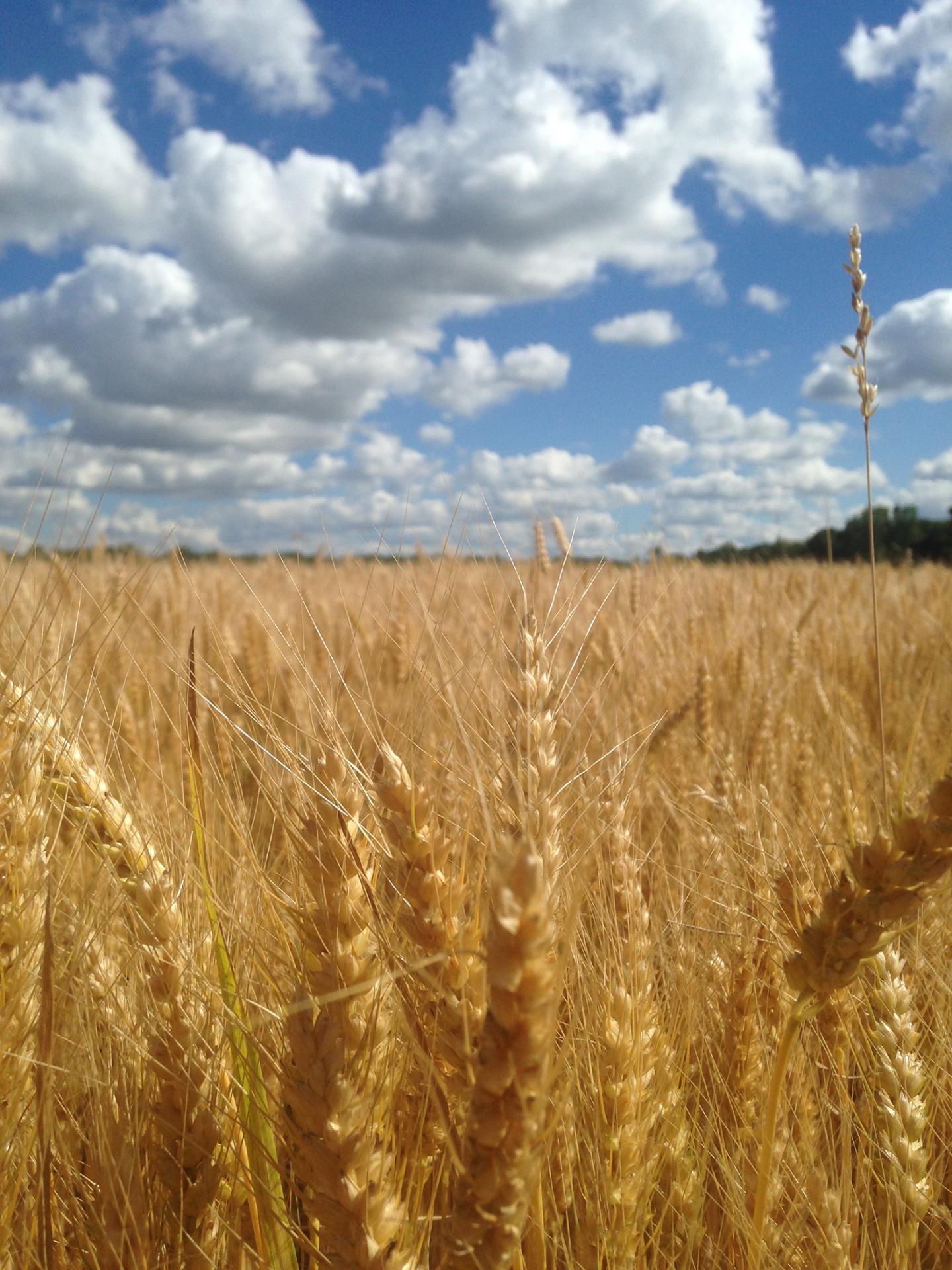
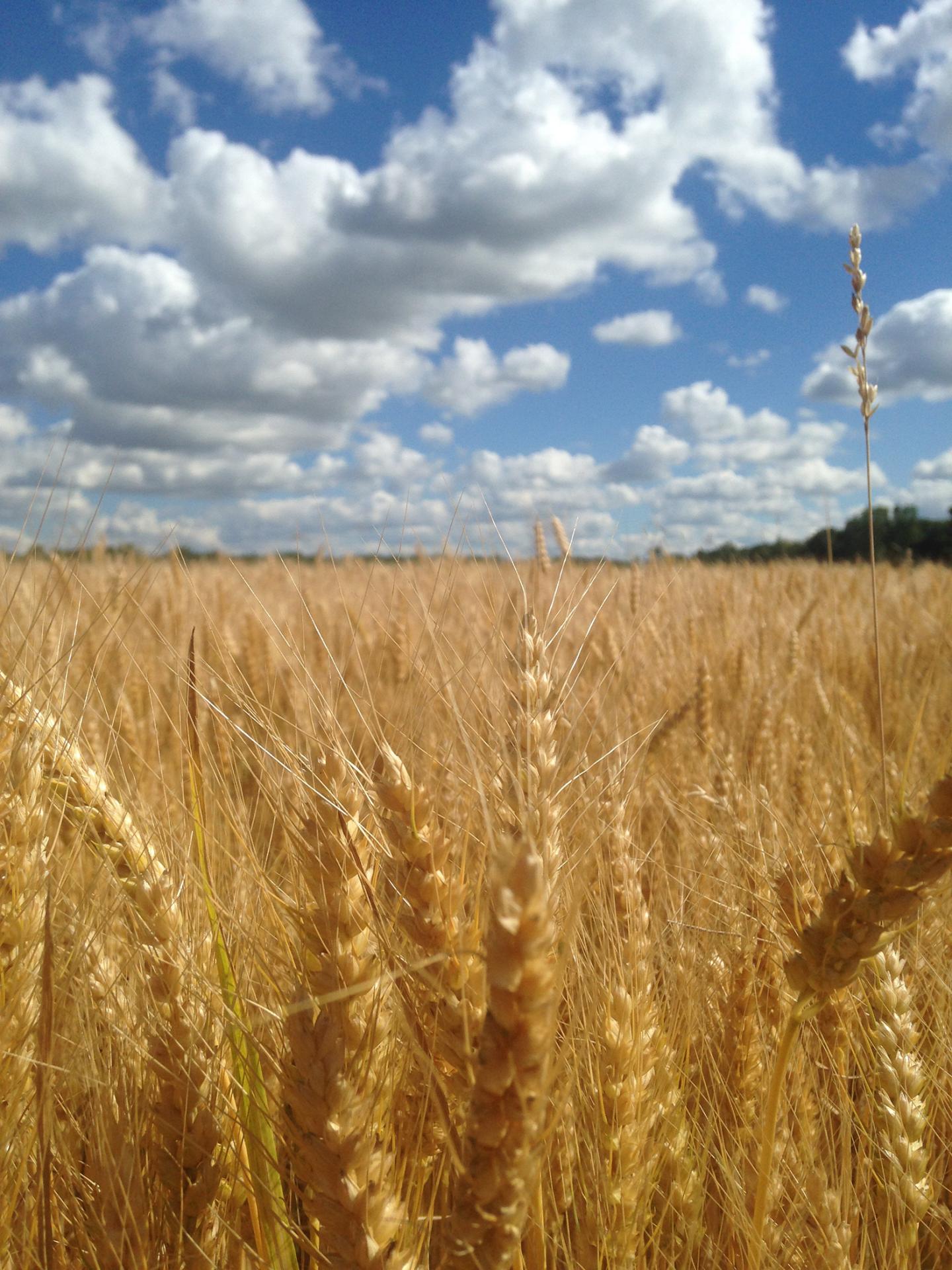
IMAGE

Credit: Photo by Layne Cameron

EAST LANSING, Mich. – Once upon a time, it was thought that crop diseases affected only crops. New research shows, however, that a common wheat virus can spread and harm perennial native grasses.

In the current issue of the Journal of Ecology, researchers from Michigan State University, University of Kansas and University of Virginia show that farmers and scientists need to think about how best to protect native plants from diseases emanating from crops.

"Crop fields were once considered tiny islands in a sea of wild vegetation, so farmers and scientists focused on protecting crops from wild pathogens," said Carolyn Malmstrom, MSU plant biologist and co-lead author of the study. "Now, around the world, the situation has reversed, and diseases from agricultural fields affect not only crops, but also substantially harm native plants, such as switchgrass."

The findings were based on a multi-year field study in Kansas. There, like in much of the Midwest, plains of native grasses have been transformed to fields of wheat or other cereal crops. Now, it's the patches of grasses that are the islands in an ocean of crops.

A widespread wheat pathogen, barley yellow dwarf virus, can cross over and affect switchgrass, a prime candidate for biofuel research. The research team combined the field results with a statistical model and showed that the virus can reduce the vitality of switchgrass by 30 percent.

Interestingly, the infection can affect switchgrass' growth even though the native plant displays hardly any signs of sickness.

"Crops have been bred for yield, sometimes at the cost of plant defense. If they are susceptible, fast-growing crops can serve as highly competent hosts that amplify viruses within a region," Malmstrom said. "In these 'domesticated' landscapes, farmers, conservation biologists and epidemiologists need to be aware that diseases from crops can move into wild and native plants, which may need protection."

While the study focused on merely one virus, it shows that science needs to catch up in understanding how crops influence native plants and to build more knowledge of virus ecology in general.

"There are many mysteries surrounding how crop viruses affect natural ecosystems," Malmstrom said. "It's important that we build a base of research in this area. For example, if a novel virus emerges and threatens important species, we will need to draw on baseline information about virus ecology to address it; the big gaps in understanding need to be tackled."

###

The research team comprised Helen Alexander, KU, Emily Bruns, UVA, and Hayley Schebor, MSU.

Malmstrom's research is funded in part by MSU AgBioResearch and the USDA National Institute of Food and Agriculture.

Media Contact

Layne Cameron
[email protected]
517-353-8819
@MSUnews

http://msutoday.msu.edu/journalists/

############

Story Source: Materials provided by Scienmag

Share12Tweet8Share2ShareShareShare2

Related Posts

Inflammasome Protein ASC Drives Pancreatic Cancer Metabolism

February 7, 2026

Phage-Antibiotic Combo Beats Resistant Peritoneal Infection

February 7, 2026

Boosting Remote Healthcare: Stepped-Wedge Trial Insights

February 7, 2026

Barriers and Boosters of Seniors’ Physical Activity in Karachi

February 7, 2026
Please login to join discussion

POPULAR NEWS

  • Robotic Ureteral Reconstruction: A Novel Approach

    Robotic Ureteral Reconstruction: A Novel Approach

    82 shares
    Share 33 Tweet 21
  • Digital Privacy: Health Data Control in Incarceration

    63 shares
    Share 25 Tweet 16
  • Study Reveals Lipid Accumulation in ME/CFS Cells

    57 shares
    Share 23 Tweet 14
  • Breakthrough in RNA Research Accelerates Medical Innovations Timeline

    53 shares
    Share 21 Tweet 13

About

We bring you the latest biotechnology news from best research centers and universities around the world. Check our website.

Follow us

Recent News

Inflammasome Protein ASC Drives Pancreatic Cancer Metabolism

Phage-Antibiotic Combo Beats Resistant Peritoneal Infection

Boosting Remote Healthcare: Stepped-Wedge Trial Insights

Subscribe to Blog via Email

Enter your email address to subscribe to this blog and receive notifications of new posts by email.

Join 73 other subscribers
  • Contact Us

Bioengineer.org © Copyright 2023 All Rights Reserved.

Welcome Back!

Login to your account below

Forgotten Password?

Retrieve your password

Please enter your username or email address to reset your password.

Log In
No Result
View All Result
  • Homepages
    • Home Page 1
    • Home Page 2
  • News
  • National
  • Business
  • Health
  • Lifestyle
  • Science

Bioengineer.org © Copyright 2023 All Rights Reserved.