Ground-breaking new research published in Nature has decoded the genome of oats and explained why the popular cereal could be suitable for most people with coeliac disease and gluten intolerance.
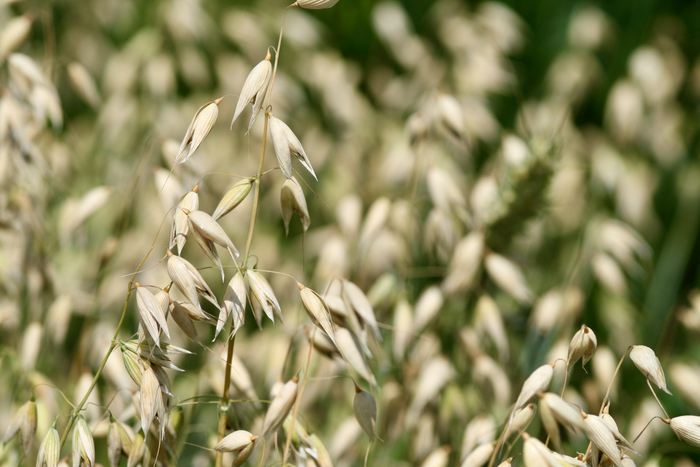
Credit: Prof Olof Olsson
Ground-breaking new research published in Nature has decoded the genome of oats and explained why the popular cereal could be suitable for most people with coeliac disease and gluten intolerance.
The findings will also boost Australia’s already world-leading oat industry by providing new insights into varieties which are more nutritious and more resistant to drought and disease.
Researchers from Edith Cowan University (ECU), Australia’s national science agency CSIRO and WEHI (the Walter and Eliza Hall Institute of Medical Research) played a key role in the international collaboration led by Lund University, the ScanOats Industrial Research Center and Helmholtz Munich.
Tracking down the health benefits of oats
Knowing the genome sequence allows researchers to better understand which genes are responsible for which traits.
Professor Michelle Colgrave, from ECU and CSIRO, said researchers were particularly interested in finding out why oat products trigger fewer allergies and intolerances compared to other cereals such as wheat or rye.
“We discovered that oats have fewer of the proteins that correspond to gluten in wheat, causing an immune reaction from people with coeliac disease.
“This allowed us to confirm, on both a gene (DNA) and protein level, that oats contain fewer protein sequences that are known to trigger food allergy and intolerance,” she said.
Compared to other cereals, oats also contain a much higher proportion of beta-glucans, which reduce blood cholesterol levels and have a positive effect on people with metabolic diseases such as type 2 diabetes.
Good news for coeliacs
Associate Professor Jason Tye-Din, from WEHI, said the research provides reassurance about the safety of oats for people with coeliac disease and brings us a step closer to seeing their safe inclusion into gluten free diets.
“Concerns that oats harbour gluten-like proteins that may be harmful for people with coeliac disease has meant that in Australia and New Zealand, oats are currently excluded from the gluten-free diet,” he said.
People eating the highly restrictive gluten-free diet have lower whole grain intake and can suffer higher rates of heart disease. But the inclusion of oats could overcome many of those adverse effects.
“The findings from this study tells us that the genes encoding potentially harmful gluten-like sequences are infrequent, expressed at low level and the sequences themselves less likely to trigger inflammation,” he said.
“These characteristics mean oats bear closer genomic and protein similarities to rice, which is safe in coeliac disease, than wheat and other gluten-rich cereals.”
New potential for breeding
Oats are not only interesting because of their innate health benefits; their cultivation also requires fewer treatments with insecticides, fungicides and fertilisers compared to other cereals.
Thanks to the new insights into the oat genome, breeding and cultivation of more nutritious and sustainable oats can now be accelerated.
“The freely available resources created in this collaboration are essentially the blueprint for oats and will increase the potential of breeding to target specific traits,” says Professor Colgrave.
“This could be high protein in grain to address the increasing demand for plant-based sources of protein to meet our growing population.”
Dr Angéla Juhász, from Edith Cowan University, said the findings could be a huge boon for Australia’s oat industry.
“The research conducted by ECU and CSIRO allows us to identify not only the proteins associated with gluten-like traits in oats but also characteristics which can increase crop yield, boost nutritional profiles and make them more resistant to disease and drought,” she said.
“This can provide Australian growers with unique, differentiated grain to maintain Australia’s position as a supplier of premium, high-quality grain that delivers specific health benefits to Australians.”
The mosaic oat genome gives insights into a uniquely healthy cereal crop was published in Nature.
Journal
Nature
DOI
10.1038/s41586-022-04732-y
Article Title
The mosaic oat genome gives insights into a uniquely healthy cereal crop
Article Publication Date
18-May-2022