• HOME
  • NEWS
  • EXPLORE
    • CAREER
      • Companies
      • Jobs
    • EVENTS
    • iGEM
      • News
      • Team
    • PHOTOS
    • VIDEO
    • WIKI
  • BLOG
  • COMMUNITY
    • FACEBOOK
    • INSTAGRAM
    • TWITTER
Tuesday, April 21, 2026
BIOENGINEER.ORG
No Result
View All Result
  • Login
  • HOME
  • NEWS
  • EXPLORE
    • CAREER
      • Companies
      • Jobs
        • Lecturer
        • PhD Studentship
        • Postdoc
        • Research Assistant
    • EVENTS
    • iGEM
      • News
      • Team
    • PHOTOS
    • VIDEO
    • WIKI
  • BLOG
  • COMMUNITY
    • FACEBOOK
    • INSTAGRAM
    • TWITTER
  • HOME
  • NEWS
  • EXPLORE
    • CAREER
      • Companies
      • Jobs
        • Lecturer
        • PhD Studentship
        • Postdoc
        • Research Assistant
    • EVENTS
    • iGEM
      • News
      • Team
    • PHOTOS
    • VIDEO
    • WIKI
  • BLOG
  • COMMUNITY
    • FACEBOOK
    • INSTAGRAM
    • TWITTER
No Result
View All Result
Bioengineer.org
No Result
View All Result
Home NEWS Science News

Hidden diversity: 3 new species of land flatworms from the Brazilian Araucaria forest

Bioengineer by Bioengineer
January 9, 2017
in Science News
Reading Time: 2 mins read
0
Share on FacebookShare on TwitterShare on LinkedinShare on RedditShare on Telegram
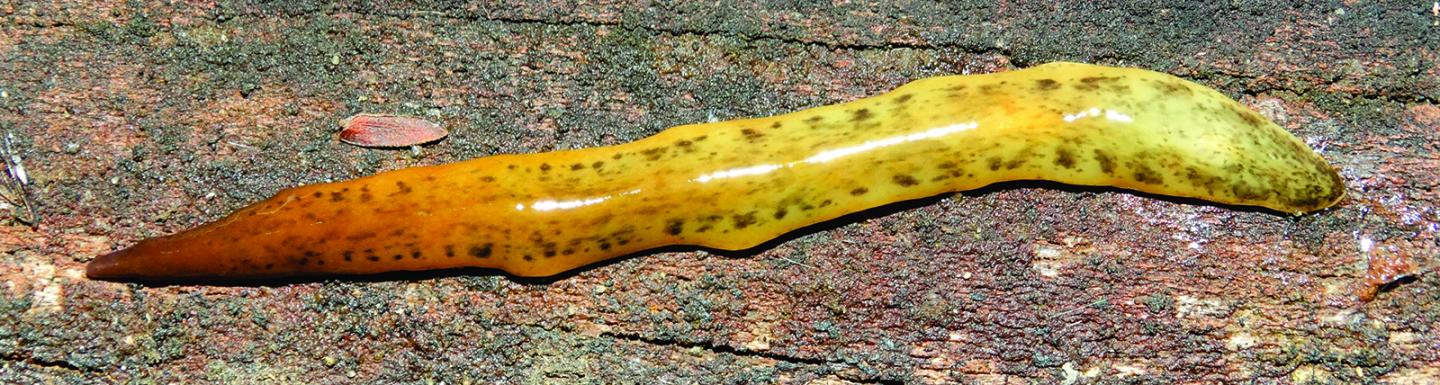
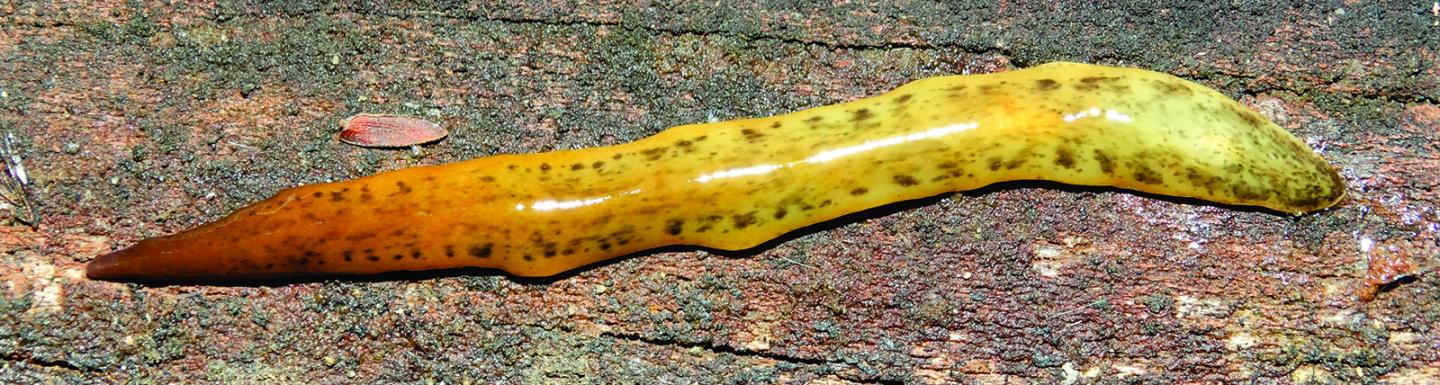
IMAGE

Credit: Ilana Rossi

A huge invertebrate diversity is hidden on the forest floor in areas of the Araucaria moist forest, Brazil. Land flatworms constitute a numerous group among these invertebrates occurring in the Neotropical region. Flatworms are considered to be top predators within the soil ecosystem, preying on other invertebrates.

The Araucaria moist forest is part of the Brazilian Atlantic Rain Forest and is considered a hotspot of land flatworm diversity, harboring many yet undescribed species. Study recently published in the open access journal ZooKeys describes three new species from areas covered by Araucaria moist forest in South Brazil, which belong to the Neotropical genus Cratera.

Land flatworms lack a water retention mechanism and have a low tolerance to intense changes in temperature and humidity. Their low vagility leads to the existence of a high number of endemic species. Thus, they are considered good bioindicators of the degree of impact on their habitat.

The new species are named after characteristics of their color pattern and are probably endemic for the study areas. Besides differing from each other, as well as from other species of the genus, by their characteristic color pattern, they also show other distinguishing features in the reproductive system. The study provides an identification key to the species of the genus.

The work was conducted by the south Brazilian research group on triclads, led by Dr. Ana Leal-Zanchet, of the Universidade do Vale do Rio dos Sinos (UNISINOS), in southern Brazil. The study was supported by the Brazilian Research Council (CNPq).

###

Original source:

Rossi, I, Leal-Zanchet, A. (2017) Three new species of Cratera Carbayo et al., 2013 from Araucaria forests with a key to species of the genus (Platyhelminthes, Continenticola). ZooKeys 643 (2017): 1-32. doi: 10.3897/zookeys.643.11093

Media Contact

Ana Leal-Zanchet
[email protected]
@Pensoft

http://www.pensoft.net

############

Story Source: Materials provided by Scienmag

Share12Tweet8Share2ShareShareShare2

Related Posts

New Insights: CRP-TG-Glucose Index and Teen Bone Health

New Insights: CRP-TG-Glucose Index and Teen Bone Health

April 21, 2026

Trusted Adult Support in Childhood Can Lessen Long-Term Effects of Abuse, New Study Finds

April 21, 2026

New Study Uncovers How Coffee Benefits the Gut-Brain Axis

April 21, 2026

Fast-Track Tree Breeding Revives European Ash Populations Across the Landscape

April 21, 2026
Please login to join discussion

POPULAR NEWS

  • Research Indicates Potential Connection Between Prenatal Medication Exposure and Elevated Autism Risk

    760 shares
    Share 304 Tweet 190
  • Scientists Investigate Possible Connection Between COVID-19 and Increased Lung Cancer Risk

    65 shares
    Share 26 Tweet 16
  • Salmonella Haem Blocks Macrophages, Boosts Infection

    56 shares
    Share 22 Tweet 14
  • NSF funds machine-learning research at UNO and UNL to study energy requirements of walking in older adults

    101 shares
    Share 40 Tweet 25

About

We bring you the latest biotechnology news from best research centers and universities around the world. Check our website.

Follow us

Recent News

New Insights: CRP-TG-Glucose Index and Teen Bone Health

Trusted Adult Support in Childhood Can Lessen Long-Term Effects of Abuse, New Study Finds

New Study Uncovers How Coffee Benefits the Gut-Brain Axis

Subscribe to Blog via Email

Enter your email address to subscribe to this blog and receive notifications of new posts by email.

Join 79 other subscribers
  • Contact Us

Bioengineer.org © Copyright 2023 All Rights Reserved.

Welcome Back!

Login to your account below

Forgotten Password?

Retrieve your password

Please enter your username or email address to reset your password.

Log In
No Result
View All Result
  • Homepages
    • Home Page 1
    • Home Page 2
  • News
  • National
  • Business
  • Health
  • Lifestyle
  • Science

Bioengineer.org © Copyright 2023 All Rights Reserved.