• HOME
  • NEWS
  • EXPLORE
    • CAREER
      • Companies
      • Jobs
    • EVENTS
    • iGEM
      • News
      • Team
    • PHOTOS
    • VIDEO
    • WIKI
  • BLOG
  • COMMUNITY
    • FACEBOOK
    • INSTAGRAM
    • TWITTER
Saturday, February 7, 2026
BIOENGINEER.ORG
No Result
View All Result
  • Login
  • HOME
  • NEWS
  • EXPLORE
    • CAREER
      • Companies
      • Jobs
        • Lecturer
        • PhD Studentship
        • Postdoc
        • Research Assistant
    • EVENTS
    • iGEM
      • News
      • Team
    • PHOTOS
    • VIDEO
    • WIKI
  • BLOG
  • COMMUNITY
    • FACEBOOK
    • INSTAGRAM
    • TWITTER
  • HOME
  • NEWS
  • EXPLORE
    • CAREER
      • Companies
      • Jobs
        • Lecturer
        • PhD Studentship
        • Postdoc
        • Research Assistant
    • EVENTS
    • iGEM
      • News
      • Team
    • PHOTOS
    • VIDEO
    • WIKI
  • BLOG
  • COMMUNITY
    • FACEBOOK
    • INSTAGRAM
    • TWITTER
No Result
View All Result
Bioengineer.org
No Result
View All Result
Home NEWS Science News Biology

Bird singing contests: A clash of culture and conservation

Bioengineer by Bioengineer
December 8, 2021
in Biology
Reading Time: 2 mins read
0
Orange-headed Thrush
Share on FacebookShare on TwitterShare on LinkedinShare on RedditShare on Telegram

Ithaca, NY—For thousands  of years, people have been keeping wild birds. It is often a deeply ingrained part of the culture. One of the more recent trends to emerge from this practice is the singing contest which pits male birds against each other to impress human judges with their songs, plumage, and movement. A Cornell Lab of Ornithology examination of the scientific literature on this topic finds that bird-singing contests currently take place in at least 22 countries using at least 36 species of birds. This research is published in Global Ecology and Conservation.
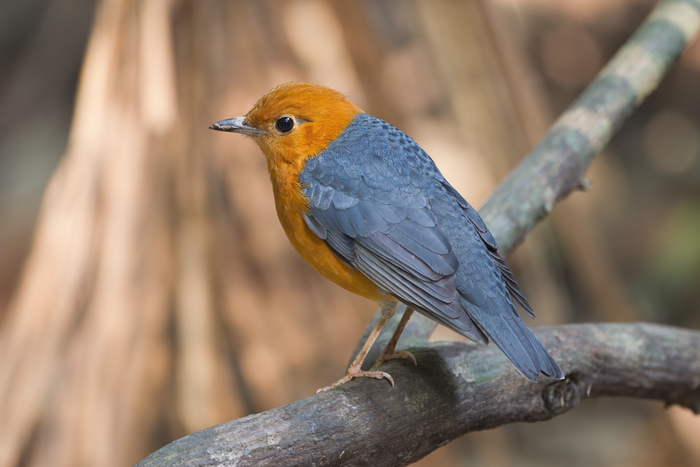
Orange-headed Thrush

Credit: J.J. Harrison

Ithaca, NY—For thousands  of years, people have been keeping wild birds. It is often a deeply ingrained part of the culture. One of the more recent trends to emerge from this practice is the singing contest which pits male birds against each other to impress human judges with their songs, plumage, and movement. A Cornell Lab of Ornithology examination of the scientific literature on this topic finds that bird-singing contests currently take place in at least 22 countries using at least 36 species of birds. This research is published in Global Ecology and Conservation.

“A champion bird can gain prestige for its owner and, in some cases, bring in considerable prize money,” explains lead author Ben Mirin, a Ph.D. student at the Cornell Lab. “Today these contests drive demand in the global songbird trade, especially in Southeast Asia where more bird species are threatened by trade than in any other region of the world.”From the conservation standpoint, bird-singing contests can put pressure on wild bird populations. For example, the White-rumped Shama, Brown-headed Barbet, and the Orange-headed Thrush are among the top five most popular species for singing contests and all three of them have declining populations.

Mirin is pursuing additional research to learn now educational tools created with local people can address the threats of the songbird trade while still preserving the cultural meaning and identities tied to songbird contests.

“There are few places better suited for instilling respect for wildlife and sustainability than the classroom,” says Mirin. “Teaching conservation to young people and learning what influences their perceptions of nature can help illuminate how human-bird relationships take root early in life.”

Reference:

Benjamin H. Mirin, Holger Klinck. Bird Singing Contests: Looking Back on Thirty Years of Research on a Global Conservation Concern. 2021. Global Ecology and Conservation.


Journal

Global Ecology and Conservation

DOI

https://doi.org/10.1016/j.gecco.2021.e01812

Method of Research

Literature review

Subject of Research

Animals

Article Title

Bird Singing Contests: Looking Back on Thirty Years of Research on a Global 2 Conservation Concern

Article Publication Date

12-Oct-2021

Share12Tweet8Share2ShareShareShare2

Related Posts

Florida Cane Toad: Complex Spread and Selective Evolution

Florida Cane Toad: Complex Spread and Selective Evolution

February 7, 2026
New Study Uncovers Mechanism Behind Burn Pit Particulate Matter–Induced Lung Inflammation

New Study Uncovers Mechanism Behind Burn Pit Particulate Matter–Induced Lung Inflammation

February 6, 2026

DeepBlastoid: Advancing Automated and Efficient Evaluation of Human Blastoids with Deep Learning

February 6, 2026

Navigating the Gut: The Role of Formic Acid in the Microbiome

February 6, 2026

POPULAR NEWS

  • Robotic Ureteral Reconstruction: A Novel Approach

    Robotic Ureteral Reconstruction: A Novel Approach

    82 shares
    Share 33 Tweet 21
  • Digital Privacy: Health Data Control in Incarceration

    63 shares
    Share 25 Tweet 16
  • Study Reveals Lipid Accumulation in ME/CFS Cells

    57 shares
    Share 23 Tweet 14
  • Breakthrough in RNA Research Accelerates Medical Innovations Timeline

    53 shares
    Share 21 Tweet 13

About

We bring you the latest biotechnology news from best research centers and universities around the world. Check our website.

Follow us

Recent News

Personalized Guide to Understanding and Reducing Chemicals

Inflammasome Protein ASC Drives Pancreatic Cancer Metabolism

Phage-Antibiotic Combo Beats Resistant Peritoneal Infection

Subscribe to Blog via Email

Enter your email address to subscribe to this blog and receive notifications of new posts by email.

Join 73 other subscribers
  • Contact Us

Bioengineer.org © Copyright 2023 All Rights Reserved.

Welcome Back!

Login to your account below

Forgotten Password?

Retrieve your password

Please enter your username or email address to reset your password.

Log In
No Result
View All Result
  • Homepages
    • Home Page 1
    • Home Page 2
  • News
  • National
  • Business
  • Health
  • Lifestyle
  • Science

Bioengineer.org © Copyright 2023 All Rights Reserved.