Clostridium difficile or C. diff – a bacteria that causes inflammation of the colon and severe diarrhea – is widely prevalent in non-healthcare settings in the United States and around the world, according to University of Houston researchers who presented at Infectious Disease Society of America IDWeek.
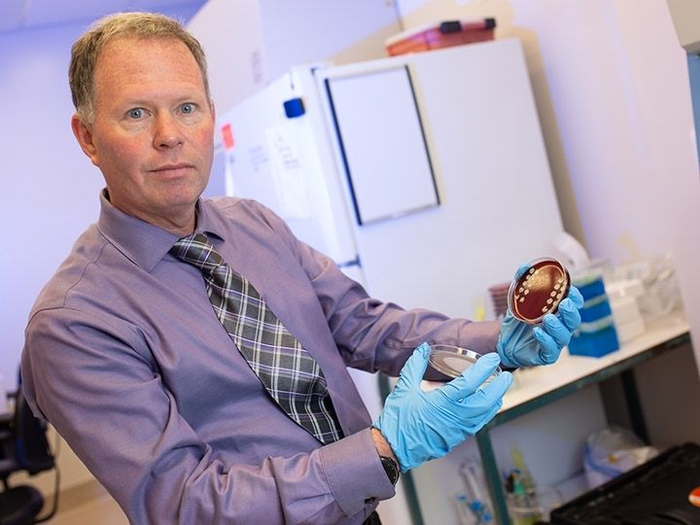
Credit: University of Houston
Clostridium difficile or C. diff – a bacteria that causes inflammation of the colon and severe diarrhea – is widely prevalent in non-healthcare settings in the United States and around the world, according to University of Houston researchers who presented at Infectious Disease Society of America IDWeek.
In a worldwide sample, 26% of environmental samples from health care and non-health care sites tested positive for C. diff strains. Shoe soles had the highest positivity rates, with 45% of samples testing positive for the bacteria.
C. diff is responsible for nearly half a million infections and 15,000 deaths in the United States each year. Until now, its presence in community settings has been largely overlooked.
“C. diff infection was known historically as a hospital-associated infection, and efforts to reduce the infection and control its spread have been focused on hospitals and long-term care facilities,” said Jinhee Jo, a postdoctoral infectious disease fellow at the University of Houston and presenting author. “Recently, cases of community-acquired C. diff have been increasing, which suggests the need for broader community stewardship.”
From 2014 to 2017, researchers collected samples from public areas, health care settings, and shoe soles in the United States and 11 other countries. They compared the rates of C. diff positivity between settings, including shoe soles, which were investigated for their potential role in environmental transmission.
“The results of this study shift our understanding of C. diff, including where it is found, how it is transmitted, and who it affects,” said Kevin W. Garey, professor of pharmacy practice at the UH College of Pharmacy. “We can no longer think of C. diff as only existing in health care settings, and the population at risk is no longer just the very sick patient in the hospital. Identifying that person at risk anywhere in the world should become a priority regardless of whether the person is in a hospital or the community.”
Everyone can take action to prevent infection and reduce the spread of C. diff in the community. Simple measures include practicing proper hand hygiene, cleaning surfaces with chemical disinfectants, and removing shoes before entering a home or common space.
“The bottoms of your shoes aren’t clean,” said Jo. “They may introduce harmful bacteria into your bathroom or kitchen, which could make you sick. The next time you’re coming in from outside, take off your shoes before you enter a highly trafficked room and help reduce the risk of catching C. difficile.”
The study is part of an ongoing effort by University of Houston researchers focused on better understanding C. difficile prevalence worldwide and represents a promising first step toward more effective surveillance, stewardship, and protection.
In addition to Jo and Garey, Anne J. Gonzales-Luna is a co-author of the study.
IDWeek is the joint annual meeting of the Infectious Diseases Society of America (IDSA), Society for Healthcare Epidemiology of America (SHEA), the HIV Medicine Association (HIVMA), the Pediatric Infectious Diseases Society (PIDS), and the Society of Infectious Diseases Pharmacists (SIDP).