• HOME
  • NEWS
  • EXPLORE
    • CAREER
      • Companies
      • Jobs
    • EVENTS
    • iGEM
      • News
      • Team
    • PHOTOS
    • VIDEO
    • WIKI
  • BLOG
  • COMMUNITY
    • FACEBOOK
    • INSTAGRAM
    • TWITTER
Thursday, March 26, 2026
BIOENGINEER.ORG
No Result
View All Result
  • Login
  • HOME
  • NEWS
  • EXPLORE
    • CAREER
      • Companies
      • Jobs
        • Lecturer
        • PhD Studentship
        • Postdoc
        • Research Assistant
    • EVENTS
    • iGEM
      • News
      • Team
    • PHOTOS
    • VIDEO
    • WIKI
  • BLOG
  • COMMUNITY
    • FACEBOOK
    • INSTAGRAM
    • TWITTER
  • HOME
  • NEWS
  • EXPLORE
    • CAREER
      • Companies
      • Jobs
        • Lecturer
        • PhD Studentship
        • Postdoc
        • Research Assistant
    • EVENTS
    • iGEM
      • News
      • Team
    • PHOTOS
    • VIDEO
    • WIKI
  • BLOG
  • COMMUNITY
    • FACEBOOK
    • INSTAGRAM
    • TWITTER
No Result
View All Result
Bioengineer.org
No Result
View All Result
Home NEWS Science News Health

Growing evidence fruit may lower type 2 diabetes risk

Bioengineer by Bioengineer
September 6, 2025
in Health
Reading Time: 2 mins read
0
IMAGE
Share on FacebookShare on TwitterShare on LinkedinShare on RedditShare on Telegram

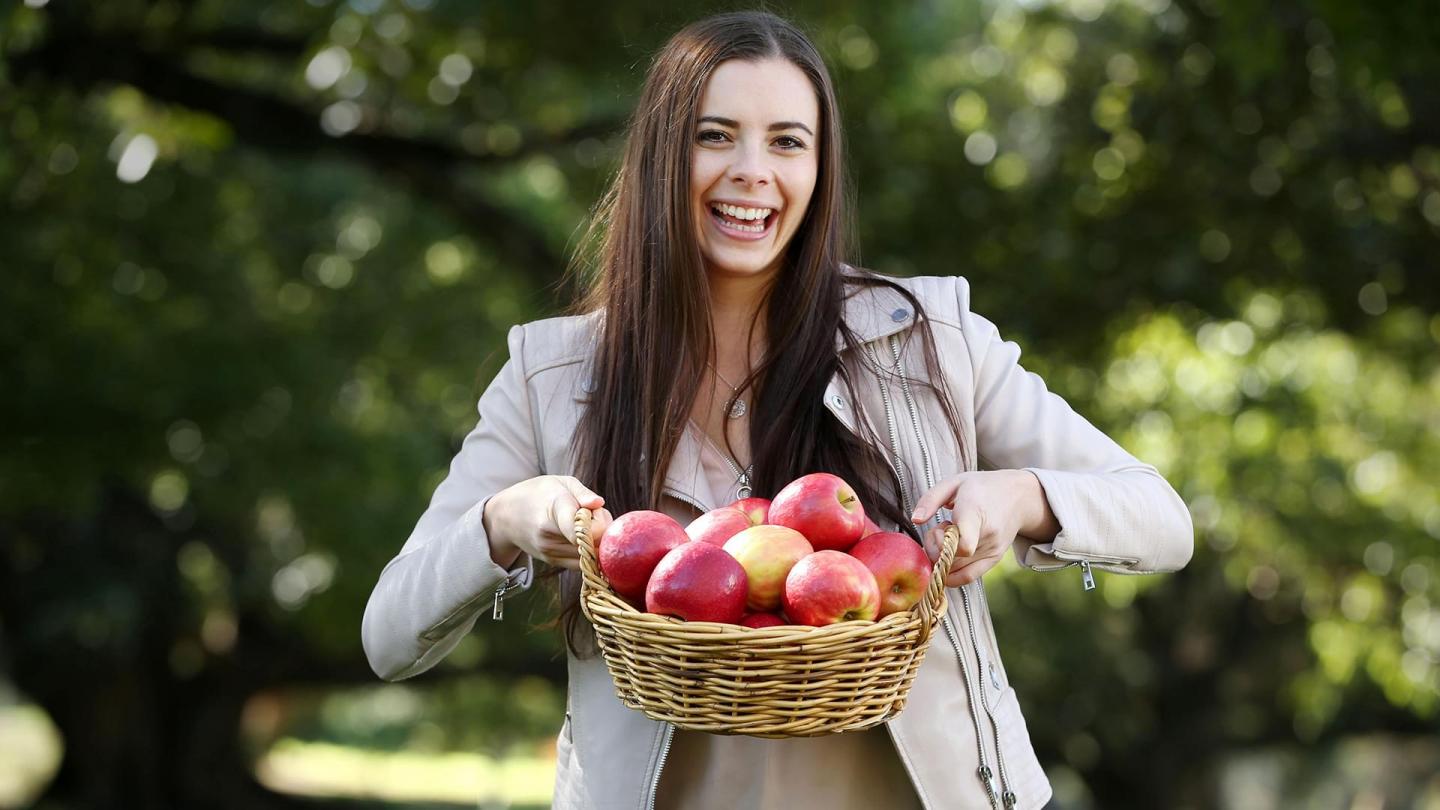
Research has found eating at least two serves of fruit daily has been linked with 36% lower odds of developing type 2 diabetes

Eating at least two serves of fruit daily has been linked with 36 percent lower odds of developing type 2 diabetes, a new Edith Cowan University (ECU) study has found.

The study, published today in the Journal of Clinical Endocrinology and Metabolism, revealed that people who ate at least two serves of fruit per day had higher measures of insulin sensitivity than those who ate less than half a serve.

Type 2 diabetes is a growing public health concern with an estimated 451 million people worldwide living with the condition. A further 374 million people are at increased risk of developing type 2 diabetes.

The study’s lead author, Dr Nicola Bondonno from ECU’s Institute for Nutrition Research, said the findings offer fresh evidence for the health benefits of fruit.

“We found an association between fruit intake and markers of insulin sensitivity, suggesting that people who consumed more fruit had to produce less insulin to lower their blood glucose levels,” said Dr Bondonno.

“This is important because high levels of circulating insulin (hyperinsulinemia) can damage blood vessels and are related not only to diabetes, but also to high blood pressure, obesity, and heart disease.

“A healthy diet and lifestyle, which includes the consumption of whole fruits, is a great strategy to lower your risk of developing type 2 diabetes.”

Fresh is best

The study examined data from 7,675 Australians participating in the Baker Heart and Diabetes Institute’s AusDiab Study and assessed fruit and fruit juice intake and the prevalence of diabetes after five years.

Dr Bondonno said they did not observe the same beneficial relationship for fruit juice.

“Higher insulin sensitivity and a lower risk of diabetes was only observed for people who consumed whole fruit, not fruit juice,” she said.

“This is likely because juice tends to be much higher in sugar and lower in fibre.”

Dr Bondonno said that it’s still unclear exactly how fruit contributes to insulin sensitivity, but it is likely to be multifaceted.

“As well as being high in vitamins and minerals, fruits are a great source of phytochemicals which may increase insulin sensitivity, and fibre which helps regulate the release of sugar into the blood and also helps people feel fuller for longer,” she said.

“Furthermore, most fruits typically have a low glycaemic index, which means the fruit’s sugar is digested and absorbed into the body more slowly.”

The study builds on Dr Bondonno’s research into the health benefits of fruit and vegetables, particularly those that contain a key nutrient known as flavonoids. The research is part of ECU’s Institute of Nutrition Research.

###

‘Associations between fruit intake and risk of diabetes in the AusDiab cohort’ was published in the Journal of Clinical Endocrinology and Metabolism.

Media Contact
Kylie Davies
[email protected]

Related Journal Article

http://dx.doi.org/10.1210/clinem/dgab335

Tags: Diet/Body WeightEndocrinologyMedicine/HealthNutrition/Nutrients
Share13Tweet8Share2ShareShareShare2

Related Posts

Aversive Learning Hijacks Brain Sugar Sensor

March 25, 2026

Can Psychosocial Factors Influence Cancer Risk?

March 23, 2026

Depression Factors in Elderly: Pre vs. Post-COVID Analysis

March 23, 2026

Hidden Health Crises Among US and UK Volunteers in Ukraine Uncovered in New Study

March 23, 2026
Please login to join discussion

POPULAR NEWS

  • blank

    Revolutionary AI Model Enhances Precision in Detecting Food Contamination

    96 shares
    Share 38 Tweet 24
  • Imagine a Social Media Feed That Challenges Your Views Instead of Reinforcing Them

    1003 shares
    Share 397 Tweet 248
  • Uncovering Functions of Cavernous Malformation Proteins in Organoids

    54 shares
    Share 22 Tweet 14
  • Promising Outcomes from First Clinical Trials of Gene Regulation in Epilepsy

    51 shares
    Share 20 Tweet 13

About

We bring you the latest biotechnology news from best research centers and universities around the world. Check our website.

Follow us

Recent News

In-Sensor Cryptography Links Physical Process to Digital Identity

Can Psychosocial Factors Influence Cancer Risk?

Depression Factors in Elderly: Pre vs. Post-COVID Analysis

Subscribe to Blog via Email

Success! An email was just sent to confirm your subscription. Please find the email now and click 'Confirm' to start subscribing.

Join 78 other subscribers
  • Contact Us

Bioengineer.org © Copyright 2023 All Rights Reserved.

Welcome Back!

Login to your account below

Forgotten Password?

Retrieve your password

Please enter your username or email address to reset your password.

Log In
No Result
View All Result
  • Homepages
    • Home Page 1
    • Home Page 2
  • News
  • National
  • Business
  • Health
  • Lifestyle
  • Science

Bioengineer.org © Copyright 2023 All Rights Reserved.