• HOME
  • NEWS
  • EXPLORE
    • CAREER
      • Companies
      • Jobs
    • EVENTS
    • iGEM
      • News
      • Team
    • PHOTOS
    • VIDEO
    • WIKI
  • BLOG
  • COMMUNITY
    • FACEBOOK
    • INSTAGRAM
    • TWITTER
Thursday, March 26, 2026
BIOENGINEER.ORG
No Result
View All Result
  • Login
  • HOME
  • NEWS
  • EXPLORE
    • CAREER
      • Companies
      • Jobs
        • Lecturer
        • PhD Studentship
        • Postdoc
        • Research Assistant
    • EVENTS
    • iGEM
      • News
      • Team
    • PHOTOS
    • VIDEO
    • WIKI
  • BLOG
  • COMMUNITY
    • FACEBOOK
    • INSTAGRAM
    • TWITTER
  • HOME
  • NEWS
  • EXPLORE
    • CAREER
      • Companies
      • Jobs
        • Lecturer
        • PhD Studentship
        • Postdoc
        • Research Assistant
    • EVENTS
    • iGEM
      • News
      • Team
    • PHOTOS
    • VIDEO
    • WIKI
  • BLOG
  • COMMUNITY
    • FACEBOOK
    • INSTAGRAM
    • TWITTER
No Result
View All Result
Bioengineer.org
No Result
View All Result
Home NEWS Science News Health

$3 million grant aims to prolong life for dialysis patients

Bioengineer by Bioengineer
September 6, 2025
in Health
Reading Time: 2 mins read
0
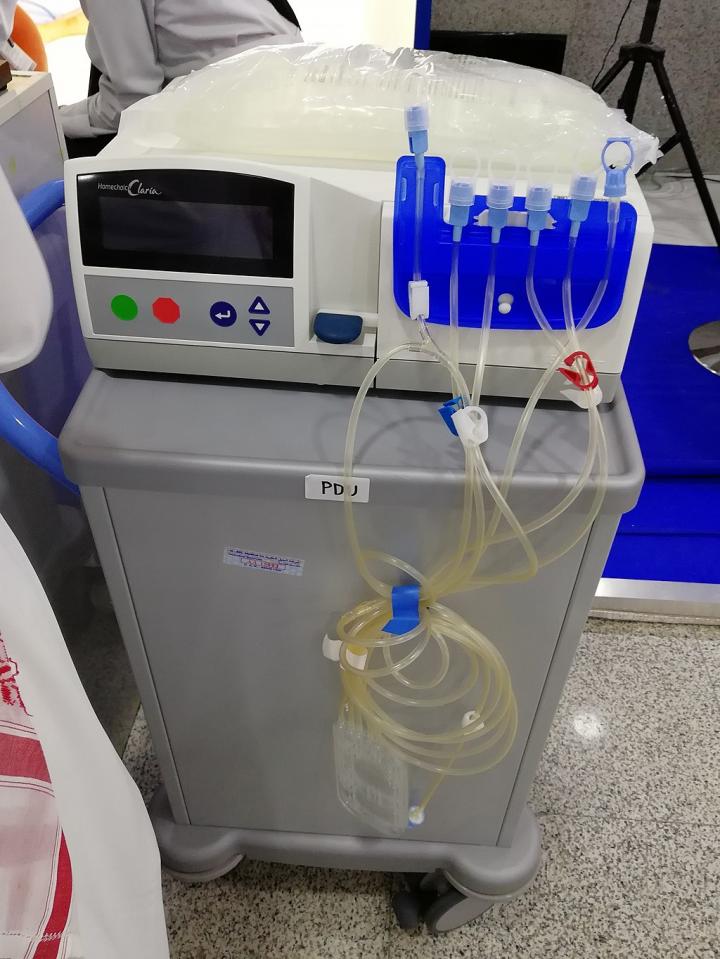
IMAGE
Share on FacebookShare on TwitterShare on LinkedinShare on RedditShare on Telegram

Statisticians take deep dive into mortality factors

The five-year survival rate for people on dialysis is under 50 percent. University of California researchers are hoping to improve that prognosis.

When kidneys fail, the body is unable to rid itself of toxins, waste products, and excessive fluids. Dialysis or transplants are the only treatments for the 786,000 people in the U.S. whose kidneys are in the final stage of failure, called End Stage Renal Disease.

Transplants are difficult to get, with nearly five times as many patients on a waiting list than the number of donor organs available. Unfortunately, the mortality risk for dialysis patients is also high, even compared to the risks for cancer and other diseases.

A new $3 million grant from the National Institutes of Health will allow statisticians at UC Riverside, UC Irvine, and UCLA to better understand and mitigate the factors causing these patients to die.

“There are roughly 6,000 dialysis facilities across the US, which amounts to a huge number of people facing very uncertain outcomes,” said UC Riverside statistician Esra Kurum, a co-principal investigator of the project. “If we can increase their rates of survival, it will be a huge service to these patients.”

Statisticians typically begin with a single-level analysis, meaning everyone in a given population is lumped into a single data set, Kurum explained. For this project, she and her colleagues will develop new analysis models to reach a more nuanced understanding.

The models will account for patient, facility, and regional factors. These include staffing levels at different dialysis facilities, periods in which patients are most at risk of dying after starting dialysis, and how other medical conditions might complicate outcomes.

“Dialysis patients often have other co-morbidities, including depression, cardiovascular or pulmonary diseases,” Kurum said. “We want to identify the effects of these other risk factors.”

Data for the project is coming from the U.S. Renal Data System, which collects and distributes information about nearly all dialysis facilities in the country. Data shows the nation’s minority and low-income patients are disproportionately affected by renal disease, and that gender also accounts for some differences in outcomes.

“With a data set this broad, we’ll be able to provide a basis for helping these populations more specifically,” Kurum said. “We’re no longer just saying, ‘If you’re female, your risk is always 10% more.’ Outcomes can change over time and depending on where in the country you are.”

###

Media Contact
Jules Bernstein
[email protected]

Original Source

https://news.ucr.edu/articles/2021/06/01/3-million-grant-aims-prolong-life-dialysis-patients

Tags: Algorithms/Modelsdialysis survival ratesEpidemiologyHealthcare disparitiesInternal MedicineMathematics/StatisticsMedicine/Healthmortality factors analysisMortality/LongevityNIH grantPublic Healthrenal disease research
Share13Tweet8Share2ShareShareShare2

Related Posts

Aversive Learning Hijacks Brain Sugar Sensor

March 25, 2026

Can Psychosocial Factors Influence Cancer Risk?

March 23, 2026

Depression Factors in Elderly: Pre vs. Post-COVID Analysis

March 23, 2026

Hidden Health Crises Among US and UK Volunteers in Ukraine Uncovered in New Study

March 23, 2026
Please login to join discussion

POPULAR NEWS

  • blank

    Revolutionary AI Model Enhances Precision in Detecting Food Contamination

    96 shares
    Share 38 Tweet 24
  • Imagine a Social Media Feed That Challenges Your Views Instead of Reinforcing Them

    1003 shares
    Share 397 Tweet 248
  • Uncovering Functions of Cavernous Malformation Proteins in Organoids

    54 shares
    Share 22 Tweet 14
  • Promising Outcomes from First Clinical Trials of Gene Regulation in Epilepsy

    51 shares
    Share 20 Tweet 13

About

We bring you the latest biotechnology news from best research centers and universities around the world. Check our website.

Follow us

Recent News

In-Sensor Cryptography Links Physical Process to Digital Identity

Can Psychosocial Factors Influence Cancer Risk?

Depression Factors in Elderly: Pre vs. Post-COVID Analysis

Subscribe to Blog via Email

Enter your email address to subscribe to this blog and receive notifications of new posts by email.

Join 78 other subscribers
  • Contact Us

Bioengineer.org © Copyright 2023 All Rights Reserved.

Welcome Back!

Login to your account below

Forgotten Password?

Retrieve your password

Please enter your username or email address to reset your password.

Log In
No Result
View All Result
  • Homepages
    • Home Page 1
    • Home Page 2
  • News
  • National
  • Business
  • Health
  • Lifestyle
  • Science

Bioengineer.org © Copyright 2023 All Rights Reserved.