• HOME
  • NEWS
  • EXPLORE
    • CAREER
      • Companies
      • Jobs
    • EVENTS
    • iGEM
      • News
      • Team
    • PHOTOS
    • VIDEO
    • WIKI
  • BLOG
  • COMMUNITY
    • FACEBOOK
    • INSTAGRAM
    • TWITTER
Thursday, March 26, 2026
BIOENGINEER.ORG
No Result
View All Result
  • Login
  • HOME
  • NEWS
  • EXPLORE
    • CAREER
      • Companies
      • Jobs
        • Lecturer
        • PhD Studentship
        • Postdoc
        • Research Assistant
    • EVENTS
    • iGEM
      • News
      • Team
    • PHOTOS
    • VIDEO
    • WIKI
  • BLOG
  • COMMUNITY
    • FACEBOOK
    • INSTAGRAM
    • TWITTER
  • HOME
  • NEWS
  • EXPLORE
    • CAREER
      • Companies
      • Jobs
        • Lecturer
        • PhD Studentship
        • Postdoc
        • Research Assistant
    • EVENTS
    • iGEM
      • News
      • Team
    • PHOTOS
    • VIDEO
    • WIKI
  • BLOG
  • COMMUNITY
    • FACEBOOK
    • INSTAGRAM
    • TWITTER
No Result
View All Result
Bioengineer.org
No Result
View All Result
Home NEWS Science News Health

Immunity boost in the gut

Bioengineer by Bioengineer
September 6, 2025
in Health
Reading Time: 2 mins read
0
IMAGE
Share on FacebookShare on TwitterShare on LinkedinShare on RedditShare on Telegram

Vaccine efficacy link to microbiota, studies show

Varying immune response to vaccinations could be countered with microbiota-targeted interventions helping infants, older people and others to take full advantage of the benefits of effective vaccines, Australian and US experts say.

A comprehensive review in Nature Reviews Immunology concludes that evidence is mounting in clinical trials and other studies that the composition and function of individuals’ gut microbiota are “crucial factors” in affecting immune responses to vaccinations.

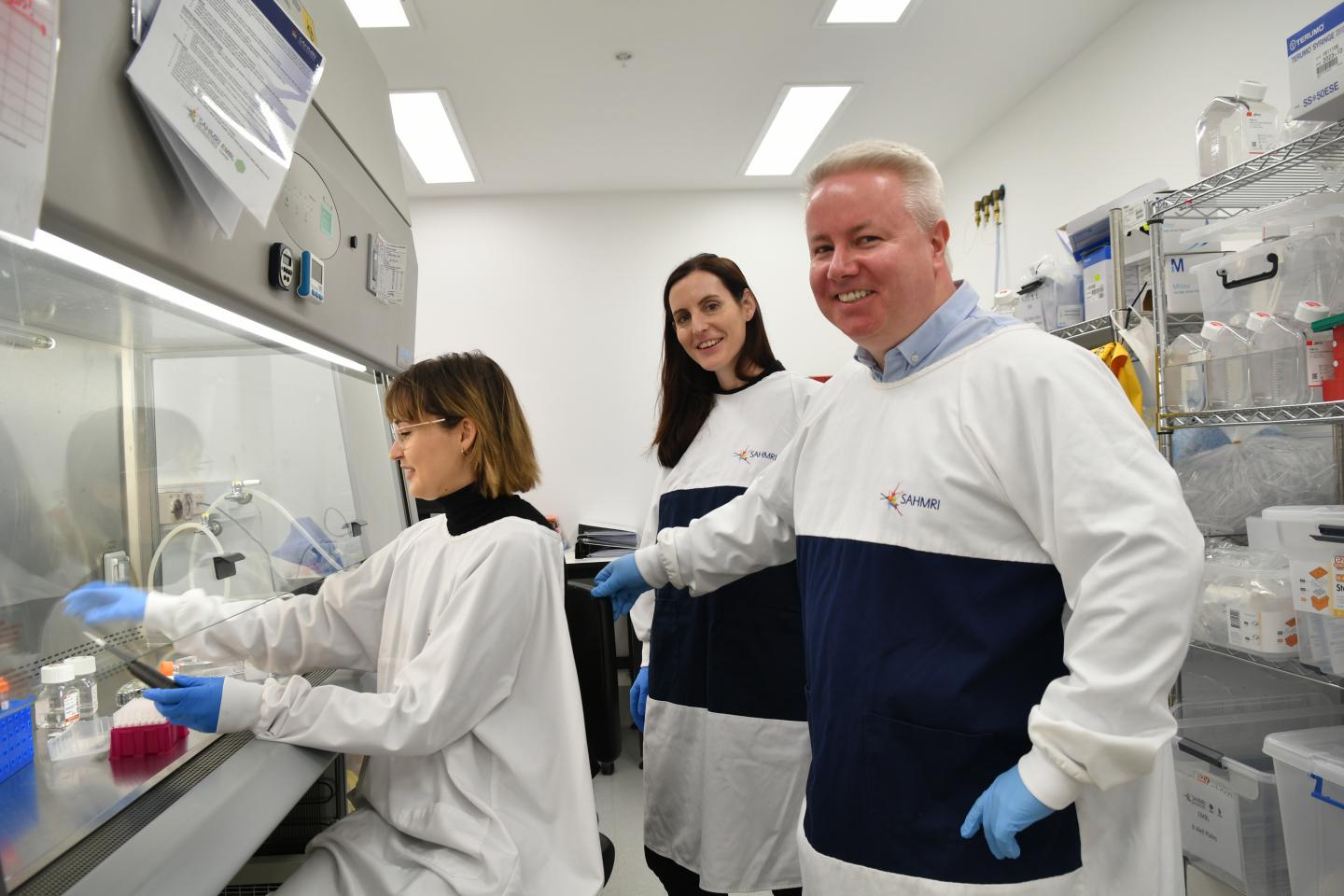
“Never before has the need been greater for robust and long-lasting immunity from our vaccination programs, particularly in low and middle-income countries, and for populations at increased risk of infectious diseases such as infants or the elderly,” says lead researcher Flinders University Professor David Lynn, an EMBL Australia Group Leader based at the South Australian Health and Medical Research Institute (SAHMRI).

Vaccine protection is induced by B cells that produce antigen-specific antibodies but T cells also help mediate the protection induced by some vaccines.

“Our study found increasing evidence that gut microbiota – which is highly variable between individuals, over the course of life and between various populations around the world – as a crucial factor modulating B and T cell immune responses to vaccinations,” says co-author, Flinders University PhD candidate Saoirse Benson.

“A better understanding of how the microbiota regulates these vaccine responses may also inform the use of more tailored population-specific adjuvants to enhance responses to vaccinations,” she says.

“There is more we can do to optimise existing vaccine effectiveness by understanding more about gut microbiota and interventions such as prebiotics and probiotics.”

The research group uses germ-free mice, or mice with no microbiome, to assess which bacteria are best at supporting immune responses to vaccination.

Professor Lynn’s research group is also currently analysing the results of a clinical study of how the impact of antibiotics on the gut microbiome of infants may affect immune responses to routine childhood vaccinations.

In separate studies, the lab is also assessing COVID-19 vaccine immune responses and coordinating the Australian BRACE trial funded by the Gates Foundation to test whether the BCG vaccine can protect healthcare workers who contract COVID-19 from developing severe symptoms.

###

The article, Modulation of immune responses to vaccination by the microbiota: implications and potential mechanisms (2021) by DJ Lynn, SC Benson, MA Lynn and B Pulendran (Stanford University School of Medicine) has been published by Nature Reviews Immunology DOI: 10.1038/s41577-021-00554-7

Media Contact
Professor David Lynn
[email protected]

Related Journal Article

http://dx.doi.org/10.1038/s41577-021-00554-7

Tags: BacteriologyDisease in the Developing WorldImmunology/Allergies/AsthmaMedicine/HealthNutrition/NutrientsPediatricsPopulation BiologyVaccines
Share13Tweet8Share2ShareShareShare2

Related Posts

Aversive Learning Hijacks Brain Sugar Sensor

March 25, 2026

Can Psychosocial Factors Influence Cancer Risk?

March 23, 2026

Depression Factors in Elderly: Pre vs. Post-COVID Analysis

March 23, 2026

Hidden Health Crises Among US and UK Volunteers in Ukraine Uncovered in New Study

March 23, 2026
Please login to join discussion

POPULAR NEWS

  • blank

    Revolutionary AI Model Enhances Precision in Detecting Food Contamination

    96 shares
    Share 38 Tweet 24
  • Imagine a Social Media Feed That Challenges Your Views Instead of Reinforcing Them

    1003 shares
    Share 397 Tweet 248
  • Uncovering Functions of Cavernous Malformation Proteins in Organoids

    54 shares
    Share 22 Tweet 14
  • Promising Outcomes from First Clinical Trials of Gene Regulation in Epilepsy

    51 shares
    Share 20 Tweet 13

About

We bring you the latest biotechnology news from best research centers and universities around the world. Check our website.

Follow us

Recent News

In-Sensor Cryptography Links Physical Process to Digital Identity

Can Psychosocial Factors Influence Cancer Risk?

Depression Factors in Elderly: Pre vs. Post-COVID Analysis

Subscribe to Blog via Email

Success! An email was just sent to confirm your subscription. Please find the email now and click 'Confirm' to start subscribing.

Join 78 other subscribers
  • Contact Us

Bioengineer.org © Copyright 2023 All Rights Reserved.

Welcome Back!

Login to your account below

Forgotten Password?

Retrieve your password

Please enter your username or email address to reset your password.

Log In
No Result
View All Result
  • Homepages
    • Home Page 1
    • Home Page 2
  • News
  • National
  • Business
  • Health
  • Lifestyle
  • Science

Bioengineer.org © Copyright 2023 All Rights Reserved.