• HOME
  • NEWS
  • EXPLORE
    • CAREER
      • Companies
      • Jobs
    • EVENTS
    • iGEM
      • News
      • Team
    • PHOTOS
    • VIDEO
    • WIKI
  • BLOG
  • COMMUNITY
    • FACEBOOK
    • INSTAGRAM
    • TWITTER
Saturday, February 7, 2026
BIOENGINEER.ORG
No Result
View All Result
  • Login
  • HOME
  • NEWS
  • EXPLORE
    • CAREER
      • Companies
      • Jobs
        • Lecturer
        • PhD Studentship
        • Postdoc
        • Research Assistant
    • EVENTS
    • iGEM
      • News
      • Team
    • PHOTOS
    • VIDEO
    • WIKI
  • BLOG
  • COMMUNITY
    • FACEBOOK
    • INSTAGRAM
    • TWITTER
  • HOME
  • NEWS
  • EXPLORE
    • CAREER
      • Companies
      • Jobs
        • Lecturer
        • PhD Studentship
        • Postdoc
        • Research Assistant
    • EVENTS
    • iGEM
      • News
      • Team
    • PHOTOS
    • VIDEO
    • WIKI
  • BLOG
  • COMMUNITY
    • FACEBOOK
    • INSTAGRAM
    • TWITTER
No Result
View All Result
Bioengineer.org
No Result
View All Result
Home NEWS Science News Biology

Brazilian Amazon released more carbon than it stored in 2010s

Bioengineer by Bioengineer
April 30, 2021
in Biology
Reading Time: 2 mins read
0
IMAGE
Share on FacebookShare on TwitterShare on LinkedinShare on RedditShare on Telegram

IMAGE

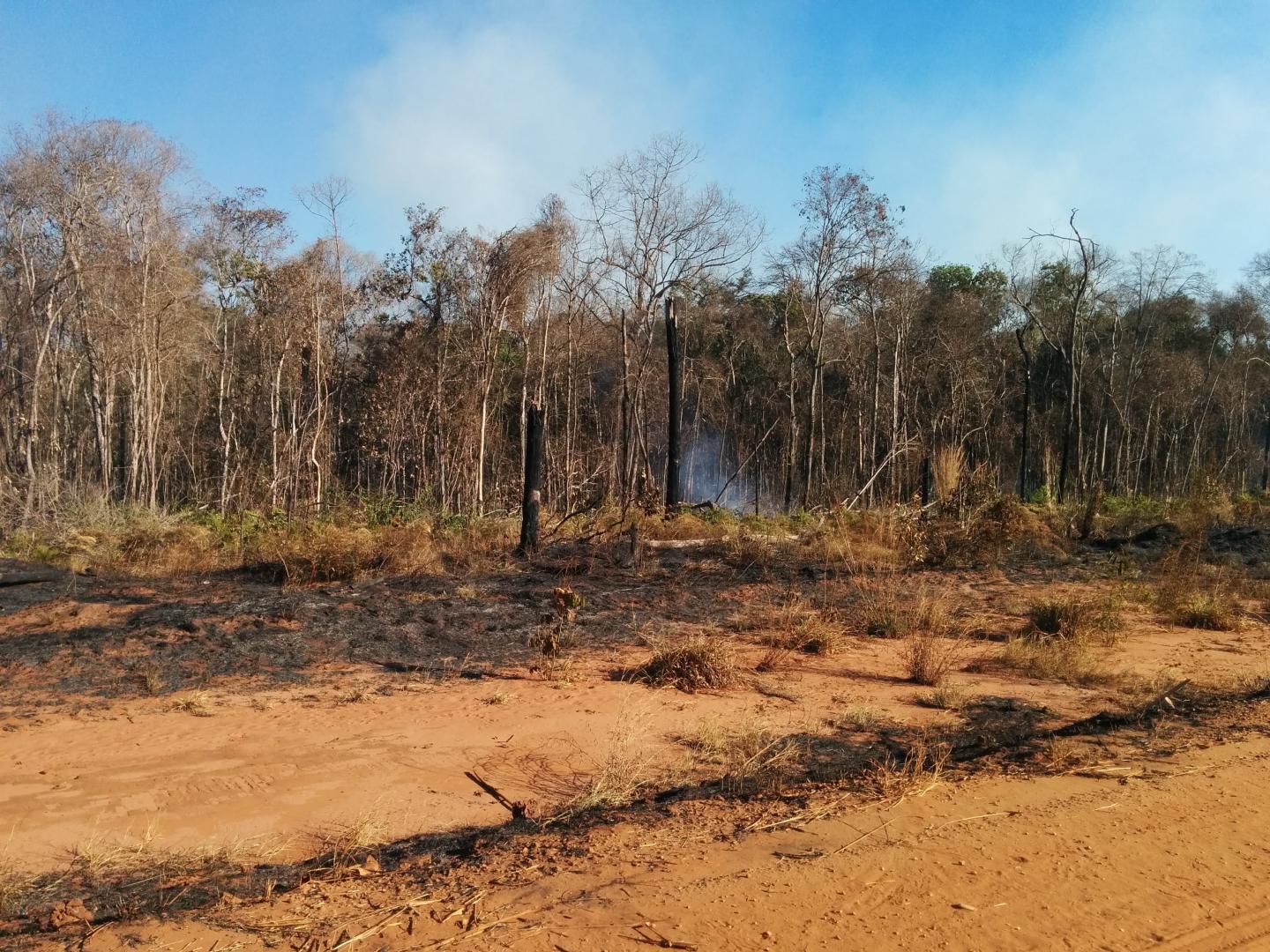
Credit: Ted Feldpausch

The Brazilian Amazon rainforest released more carbon than it stored over the last decade – with degradation a bigger cause than deforestation – according to new research.

More than 60% of the Amazon rainforest is in Brazil, and the new study used satellite monitoring to measure carbon storage from 2010-2019.

The study found that degradation (parts of the forest being damaged but not destroyed) accounted for three times more carbon loss than deforestation.

The research team – including INRAE, the University of Oklahoma and the University of Exeter – said large areas of rainforest were degraded or destroyed due to human activity and climate change, leading to carbon loss.

The findings, published in Nature Climate Change, also show a significant rise in deforestation in 2019 – 3.9 million hectares compared to about 1 million per year in 2017 and 2018 – possibly due to weakened environmental protection in Brazil.

Professor Stephen Sitch, of Exeter’s Global Systems Institute, said: “The Brazilian Amazon as a whole has lost some of its biomass, and therefore released carbon.

“We all know the importance of Amazon deforestation for global climate change.

“Yet our study shows how emissions from associated forest degradation processes can be even larger.

“Degradation is a pervasive threat to future forest integrity and requires urgent research attention.”

Degradation is linked to deforestation, especially in weakened portions of a forest near deforested zones, but it is also caused by tree-felling and forest fires.

Climate events, such as droughts, further increase tree mortality.

Such degradation can be hard to track, but the research team used the satellite vegetation index L-VOD developed by scientists at INRAE, CEA and the CNRS.

Using this index and a new technique for monitoring deforestation developed by the University of Oklahoma, the study evaluated changes in forest carbon stocks.

A change of government in Brazil in 2019 brought a sharp decline in the country’s environmental protection.

The 3.9 million hectares of deforestation in that year is 30% more than in 2015, when extreme El NiƱo droughts led to increased tree mortality and wildfires. However, the study shows that carbon losses in 2015 were larger than in 2019.

This demonstrates the dramatic impact that degradation can have on overall biomass and carbon storage in the rainforest.

###

The paper is entitled: “Carbon loss from forest degradation exceeds that from deforestation in the Brazilian Amazon.”

Media Contact
Alex Morrison
[email protected]

Related Journal Article

http://dx.doi.org/10.1038/s41558-021-01026-5

Tags: Atmospheric ScienceBiologyClimate ChangeClimate ScienceEarth ScienceForestryPlant Sciences
Share12Tweet8Share2ShareShareShare2

Related Posts

Florida Cane Toad: Complex Spread and Selective Evolution

Florida Cane Toad: Complex Spread and Selective Evolution

February 7, 2026
New Study Uncovers Mechanism Behind Burn Pit Particulate Matter–Induced Lung Inflammation

New Study Uncovers Mechanism Behind Burn Pit Particulate Matter–Induced Lung Inflammation

February 6, 2026

DeepBlastoid: Advancing Automated and Efficient Evaluation of Human Blastoids with Deep Learning

February 6, 2026

Navigating the Gut: The Role of Formic Acid in the Microbiome

February 6, 2026
Please login to join discussion

POPULAR NEWS

  • Robotic Ureteral Reconstruction: A Novel Approach

    Robotic Ureteral Reconstruction: A Novel Approach

    82 shares
    Share 33 Tweet 21
  • Digital Privacy: Health Data Control in Incarceration

    63 shares
    Share 25 Tweet 16
  • Study Reveals Lipid Accumulation in ME/CFS Cells

    57 shares
    Share 23 Tweet 14
  • Breakthrough in RNA Research Accelerates Medical Innovations Timeline

    53 shares
    Share 21 Tweet 13

About

We bring you the latest biotechnology news from best research centers and universities around the world. Check our website.

Follow us

Recent News

Barriers and Boosters of Seniors’ Physical Activity in Karachi

Evaluating Pediatric Emergency Care Quality in Ethiopia

TPMT Expression Predictions Linked to Azathioprine Side Effects

Subscribe to Blog via Email

Enter your email address to subscribe to this blog and receive notifications of new posts by email.

Join 73 other subscribers
  • Contact Us

Bioengineer.org Ā© Copyright 2023 All Rights Reserved.

Welcome Back!

Login to your account below

Forgotten Password?

Retrieve your password

Please enter your username or email address to reset your password.

Log In
No Result
View All Result
  • Homepages
    • Home Page 1
    • Home Page 2
  • News
  • National
  • Business
  • Health
  • Lifestyle
  • Science

Bioengineer.org Ā© Copyright 2023 All Rights Reserved.