• HOME
  • NEWS
  • EXPLORE
    • CAREER
      • Companies
      • Jobs
    • EVENTS
    • iGEM
      • News
      • Team
    • PHOTOS
    • VIDEO
    • WIKI
  • BLOG
  • COMMUNITY
    • FACEBOOK
    • INSTAGRAM
    • TWITTER
Monday, January 12, 2026
BIOENGINEER.ORG
No Result
View All Result
  • Login
  • HOME
  • NEWS
  • EXPLORE
    • CAREER
      • Companies
      • Jobs
        • Lecturer
        • PhD Studentship
        • Postdoc
        • Research Assistant
    • EVENTS
    • iGEM
      • News
      • Team
    • PHOTOS
    • VIDEO
    • WIKI
  • BLOG
  • COMMUNITY
    • FACEBOOK
    • INSTAGRAM
    • TWITTER
  • HOME
  • NEWS
  • EXPLORE
    • CAREER
      • Companies
      • Jobs
        • Lecturer
        • PhD Studentship
        • Postdoc
        • Research Assistant
    • EVENTS
    • iGEM
      • News
      • Team
    • PHOTOS
    • VIDEO
    • WIKI
  • BLOG
  • COMMUNITY
    • FACEBOOK
    • INSTAGRAM
    • TWITTER
No Result
View All Result
Bioengineer.org
No Result
View All Result
Home NEWS Science News Biology

Researcher questions whether powered flight appeared on non-avialan dinosaurs

Bioengineer by Bioengineer
April 26, 2021
in Biology
Reading Time: 2 mins read
0
IMAGE
Share on FacebookShare on TwitterShare on LinkedinShare on RedditShare on Telegram

Francisco Serrano, from University of Malaga, refutes this conclusion published in 2020 in the absence of scientific evidence
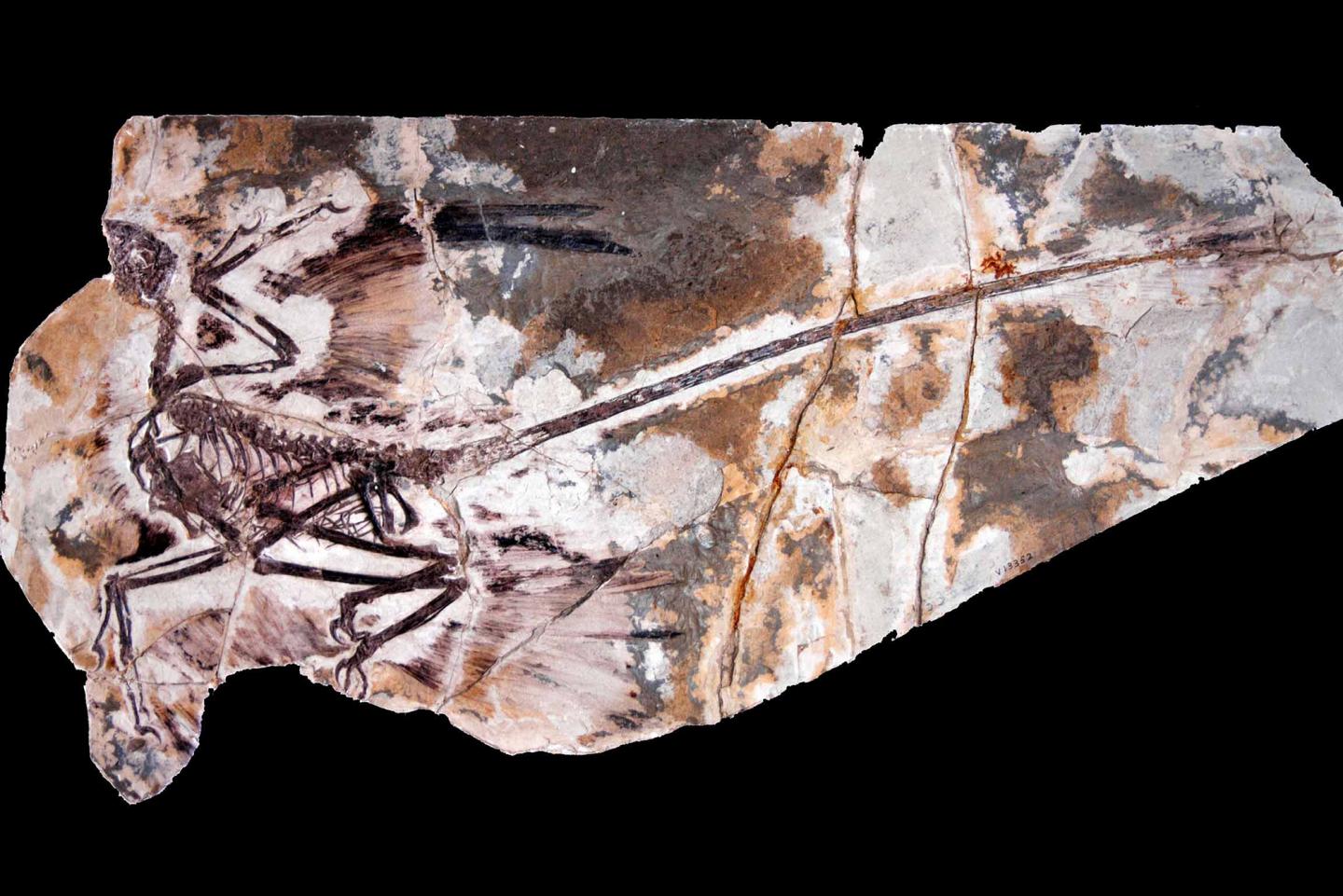
IMAGE

Credit: F.J. Serrano. University of Malaga

Powered flight in animals -that uses flapping wings to generate thrust- is a very energetically demanding mode of locomotion that requires many anatomical and physiological adaptations. In fact, the capability to develop it has only appeared four times in the evolutionary history of animals: on insects, pterosaurs, birds and bats.

A research paper published in 2020 in the scientific journal Current Biology concluded that, apart from birds -the only living descendants of dinosaurs-, powered flight would have originated independently in other three groups of dinosaurs. A conclusion that makes a great impact, as it increases the number of vertebrates that would have developed this costly mode of locomotion, which, among dinosaurs, would no longer be an exclusive capability of birds.

The scientist of the Department of Ecology and Geology of the University of Malaga Francisco Serrano Alarcón has recently published an article in the same journal, questioning the idea that powered flight appeared multiple times among dinosaurs.

The researcher of the UMA, member of the Dinosaur Institute (NHMLAC) of Los Angeles, refutes such conclusion in the absence of scientific evidence. As he remarks, the parameters used by the authors to determine flight capability do not allow differentiation between powered flight and passive flight, the latter being frequent in many more animal groups.

This new study, which he conducted along with the paleontologist Luis M. Chiappe, Vice-President for Research and Collections of the NHMLAC, compares the parameters measured on present animals with powered flight capability, such as birds and bats, and gliding animals, for example, flying squirrels or flying reptiles, among others. Moreover, they added new data on the capability to generate energy from muscles in addition to the data considered in the original study.

“Birds are a group of dinosaurs of which we have discovered 150-million-year-old fossils with fully developed wings. Among their closest non-avialan relatives, we have also found fossils with sufficiently developed wings that could provide them with some aerodynamic benefit, whether to glide between trees or get thrust to climb and jump over obstacles. But this does not mean that they could take off by flapping their wings or maintain a powered flight”, explains Francisco Serrano.

In short, both authors conclude that, although they cannot discount the possibility that powered flight appeared in other non-avialan dinosaurs, current evidence does not support the hypothesis suggested in the original paper by Pei et al (2020).

###

Reference:

FJ Serrano, LM Chiappe. 2021. Independent origins for powered flight in paravian dinosaurs? Current Biology 31, R370-R372.

Media Contact
María Guerrero
[email protected]

Related Journal Article

http://dx.doi.org/10.1016/j.cub.2021.03.058

Tags: ArchaeologyBiologyEcology/EnvironmentEvolutionOld WorldPaleontology
Share14Tweet9Share2ShareShareShare2

Related Posts

blank

PET Microplastics Harm Pig Pancreas Through Lipotoxicity

January 11, 2026
Stem Cell-Derived Vesicles Combat UVB-Induced Skin Aging

Stem Cell-Derived Vesicles Combat UVB-Induced Skin Aging

January 11, 2026

Retroelement Expansions Drive Stingless Bee Genome Evolution

January 11, 2026

Trypanosoma cruzi’s Genome Unveils 32 Chromosomes, 3 Compartments

January 11, 2026
Please login to join discussion

POPULAR NEWS

  • Enhancing Spiritual Care Education in Nursing Programs

    154 shares
    Share 62 Tweet 39
  • PTSD, Depression, Anxiety in Childhood Cancer Survivors, Parents

    146 shares
    Share 58 Tweet 37
  • Robotic Ureteral Reconstruction: A Novel Approach

    67 shares
    Share 27 Tweet 17
  • Impact of Vegan Diet and Resistance Exercise on Muscle Volume

    47 shares
    Share 19 Tweet 12

About

We bring you the latest biotechnology news from best research centers and universities around the world. Check our website.

Follow us

Recent News

Deep Learning Revolutionizes Personalized Entrepreneurship Education

Senior Nursing Students Encounter End-of-Life Experiences

Kawasaki Disease Linked to Hepatitis and Torque Teno Virus

Subscribe to Blog via Email

Enter your email address to subscribe to this blog and receive notifications of new posts by email.

Join 71 other subscribers
  • Contact Us

Bioengineer.org © Copyright 2023 All Rights Reserved.

Welcome Back!

Login to your account below

Forgotten Password?

Retrieve your password

Please enter your username or email address to reset your password.

Log In
No Result
View All Result
  • Homepages
    • Home Page 1
    • Home Page 2
  • News
  • National
  • Business
  • Health
  • Lifestyle
  • Science

Bioengineer.org © Copyright 2023 All Rights Reserved.