• HOME
  • NEWS
  • EXPLORE
    • CAREER
      • Companies
      • Jobs
    • EVENTS
    • iGEM
      • News
      • Team
    • PHOTOS
    • VIDEO
    • WIKI
  • BLOG
  • COMMUNITY
    • FACEBOOK
    • INSTAGRAM
    • TWITTER
Thursday, August 13, 2026
BIOENGINEER.ORG
No Result
View All Result
  • Login
  • HOME
  • NEWS
  • EXPLORE
    • CAREER
      • Companies
      • Jobs
        • Lecturer
        • PhD Studentship
        • Postdoc
        • Research Assistant
    • EVENTS
    • iGEM
      • News
      • Team
    • PHOTOS
    • VIDEO
    • WIKI
  • BLOG
  • COMMUNITY
    • FACEBOOK
    • INSTAGRAM
    • TWITTER
  • HOME
  • NEWS
  • EXPLORE
    • CAREER
      • Companies
      • Jobs
        • Lecturer
        • PhD Studentship
        • Postdoc
        • Research Assistant
    • EVENTS
    • iGEM
      • News
      • Team
    • PHOTOS
    • VIDEO
    • WIKI
  • BLOG
  • COMMUNITY
    • FACEBOOK
    • INSTAGRAM
    • TWITTER
No Result
View All Result
Bioengineer.org
No Result
View All Result
Home NEWS Science News Biology

Database developed on key mollusk to study pollution in coastal areas

Bioengineer by Bioengineer
April 20, 2021
in Biology
Reading Time: 2 mins read
0
IMAGE
Share on FacebookShare on TwitterShare on LinkedinShare on RedditShare on Telegram

IMAGE

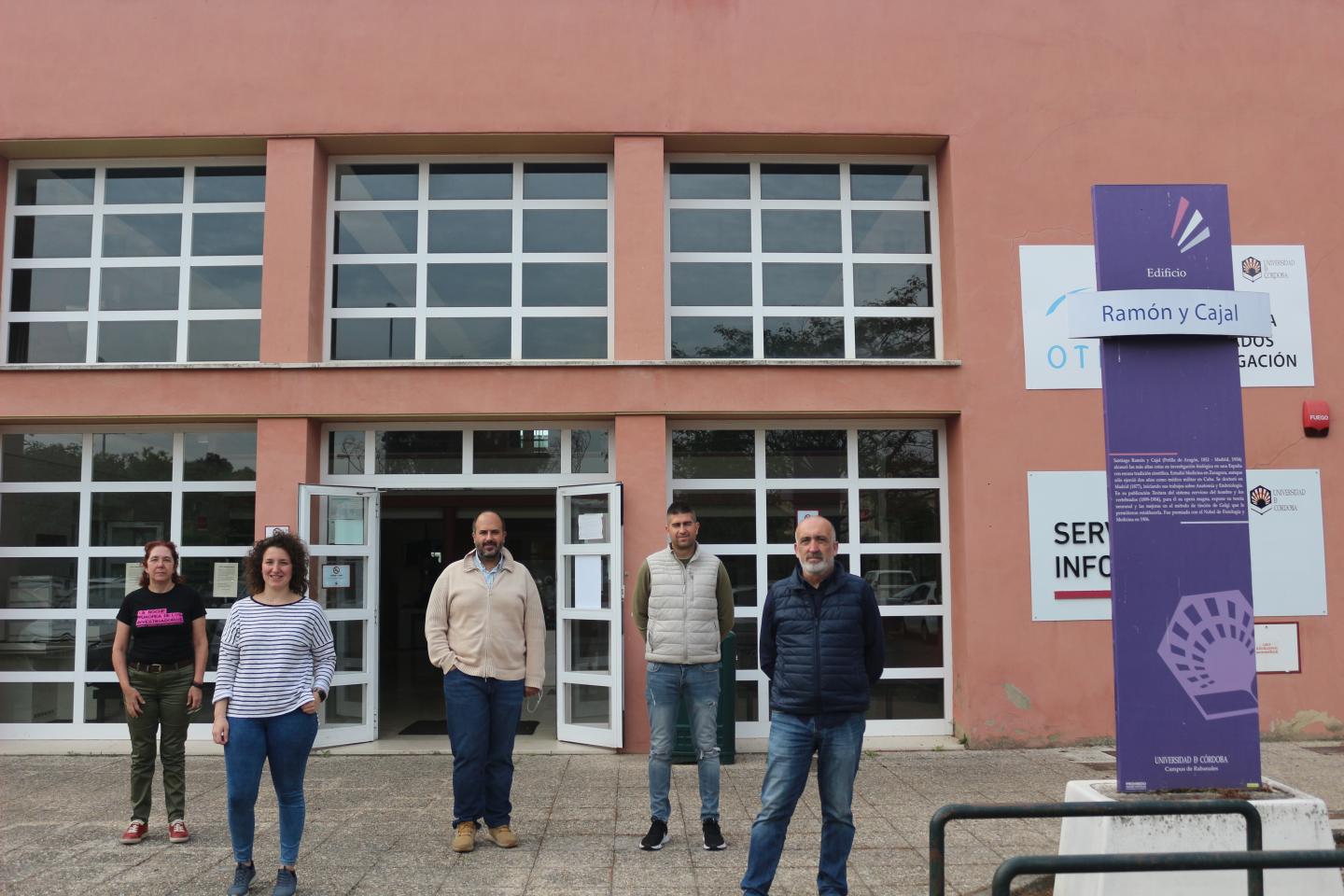
Credit: University of Córdoba

Scrobiculariaplana is a type of wedge clam widely found along the coasts and estuariesof northern Europe, the Mediterranean and West Africa. Like other mollusks, it is used as a bioindicator to study pollution in these types of ecosystems, for its ability to accumulate heavy metals and organic pollutants.

A new study has managed to identify the transcriptome and the associated proteome of this bivalve, a finding that could represent an important leap forward in the early detection of pollutants in coastal areas. While the genome is the DNA content comprising the genetic information essential for life, the transcriptome includes only the information on genes that are expressed, while the proteome is the totality of proteins expressed at a given time and under specific conditions. Therefore, its reconstruction is key to understanding the molecular effects of pollution.

Thanks to this finding, the study has managed to identify proteins associated with a total of 174 biological processes. Among these are various molecular functions related to stress response mechanisms suffered by these organisms when they are subjected to pollution and its effects.

The work began with collaboration with the Institute of Marine Sciences of Andalusia, the “Molecular Biology of Stress Response Mechanisms” at the University of Cordoba, and the Central Research Support Service (SCAI) of the university institution, which saw to the bio-informatics component, key to the reconstruction of the transcriptome.

After isolating RNA samples from this mollusk under controlled conditions, explained researcher Carmen Michán, small genetic sequences were extracted. The study managed to combine three mathematical algorithms to order all these small fragments, reconstruct entire genes, and bring together all the pieces of this great biological puzzle.

This software tool provides a solid database for biomolecular analysis ,and constitutes a beacon to guide future work. Furthermore, according to Professor José Alhama, another of the researchers who participated in the study, “having this tool increases the likelihood of success of new studies, not only in studies with this specific bivalve, but also in other similar mollusks.” The researcher explained that no similar study had been carried out on organisms of this type. Now, this reference map could help better gauge the effects of pollution on marine ecosystems before the damage is irreparable.

###

The work is part of the EPICS research project, funded by the Ministry of Economy and Competitiveness under the auspices of the State Program for R&D&I Oriented to the Challenges of Society. Ref. CTM2016-75908-R.

Media Contact
Elena Lázaro Real
[email protected]

Related Journal Article

http://dx.doi.org/10.1016/j.ygeno.2021.03.025

Tags: BioinformaticsBiology
Share12Tweet8Share2ShareShareShare2

Related Posts

Microplastics Contaminate Texas Oysters, Triggering Biochemical Stress and Physiological Damage

Microplastics Contaminate Texas Oysters, Triggering Biochemical Stress and Physiological Damage

August 13, 2026
Climbing stairs may lower the risk of premature death

Climbing stairs may lower the risk of premature death

August 13, 2026

Study finds extreme weather increasingly predicts North American bird species distributions

August 13, 2026

Your Photos Could Help Scientists Make New Discoveries

August 12, 2026
Please login to join discussion

POPULAR NEWS

  • NCI-Supported Obesity and Cancer Research, 2015–2022

    29 shares
    Share 12 Tweet 7
  • Rice Scientists Find New Method to Control Electron Flow in Altermagnet

    29 shares
    Share 12 Tweet 7
  • Men Face Higher Tuberculosis Infection Risk Than Women

    29 shares
    Share 12 Tweet 7
  • Microplastics Contaminate Texas Oysters, Triggering Biochemical Stress and Physiological Damage

    29 shares
    Share 12 Tweet 7

About

We bring you the latest biotechnology news from best research centers and universities around the world. Check our website.

Follow us

Recent News

NCI-Supported Obesity and Cancer Research, 2015–2022

Rice Scientists Find New Method to Control Electron Flow in Altermagnet

Men Face Higher Tuberculosis Infection Risk Than Women

Subscribe to Blog via Email

Enter your email address to subscribe to this blog and receive notifications of new posts by email.

Join 86 other subscribers
  • Contact Us

Bioengineer.org © Copyright 2023 All Rights Reserved.

Welcome Back!

Login to your account below

Forgotten Password?

Retrieve your password

Please enter your username or email address to reset your password.

Log In
No Result
View All Result
  • Homepages
    • Home Page 1
    • Home Page 2
  • News
  • National
  • Business
  • Health
  • Lifestyle
  • Science

Bioengineer.org © Copyright 2023 All Rights Reserved.