A national research team urges more complete study of harmful cyanobacteria
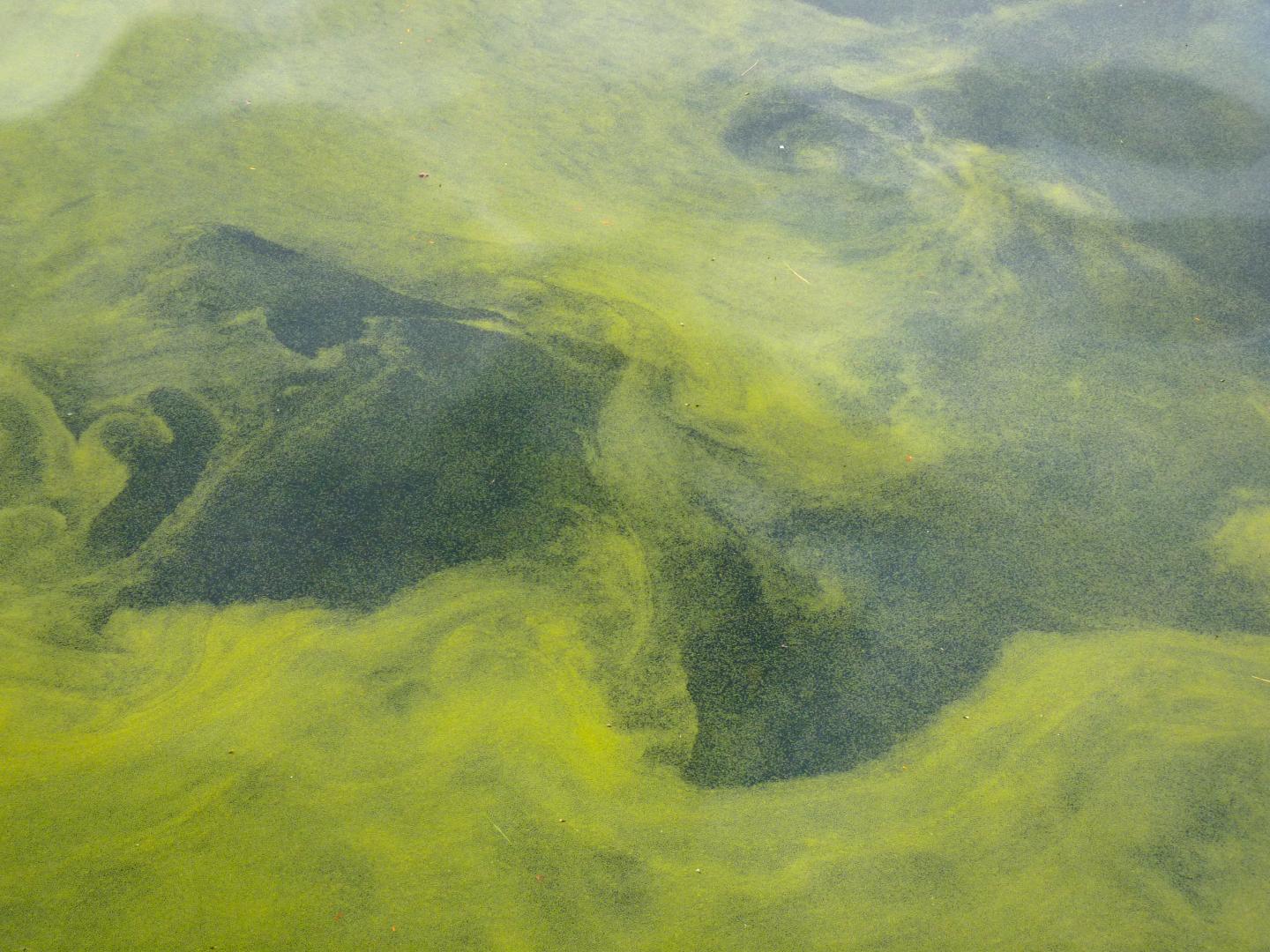
Credit: Midge Eliassen
HANOVER, N.H. – March 30, 2021 – Cyanobacteria living at the bottom of lakes may hold important, under-researched clues about the threat posed by these harmful organisms, according to a Dartmouth-led study.
The research, published in the Journal of Plankton Research, urges a more comprehensive approach to cyanobacteria studies in order to manage the dangerous blooms during a time of global climate change.
“Most studies of cyanobacteria focus on the times when they are visible in the water column,” said Kathryn Cottingham, the Dartmouth Professor in the Arts and Sciences, and a professor of biology. “By concentrating on this part of the life cycle, we may be missing important clues about how these harmful organisms are responding to ongoing global change.”
Also known as blue-green algae, blooms of cyanobacteria are increasing in many freshwater systems worldwide, damaging the quality of lake water and affecting lake communities. The blooms also threaten human health through toxins that can damage organ systems.
Cyanobacteria are complex, but researchers are bringing together clues on how they respond to changing seasons.
Freshwater cyanobacteria live either suspended in the water column or at the lake bottom depending, in part, on water temperature. During warmer months, suspended “pelagic” cyanobacteria thrive in warm, well-lit surface waters. In the fall, they sink to the bottom and spend the winter in a resting or fully dormant state.
The Dartmouth-led study focuses on how cyanobacteria behave around the bottom-dwelling “overwinter” period. The research stresses that the sediment-dwelling stage returns to the water column with higher water temperatures, often following the mixing of the water column. Climate change is decreasing some types of mixing but increasing others – such as that caused by extreme precipitation events.
According to the paper, if mixing is constrained and cyanobacteria are left at the bottom, blooms could decrease. “A more complete understanding of all stages of the cyanobacterial life cycle will enable plankton researchers to better predict how ongoing climate change will affect the frequency, intensity and duration of cyanobacterial blooms,” the study said.
Land-use changes–such as deforestation, fertilizer use, and development–and climate change are considered the main drivers of cyanobacteria outbreaks. Although the precise causes of the blooms are still being studied, researchers believe that they come from ongoing increases in nutrient loading, temperature and precipitation.
“Our work indicates that cyanobacterial blooms could either increase or decrease as a result of climate change, necessitating preventative lake management to limit human health risks,” said Cayelan Carey, associate professor of biological sciences at Virginia Tech and co-author on the study. “Avoiding fertilizer use and installing waterfront buffers can help decrease cyanobacteria, thereby providing ‘insurance’ against potential cyanobacteria increases due to warmer temperatures in the future.”
The study focused on temperate lakes, but the research team stresses that other waterbodies should be include in the proposed research agenda.
Kathleen Weathers from the Cary Institute, and Holly Ewing and Meredith Greer from Bates College also contributed to the study.
###
Media Contact
David Hirsch
[email protected]
Related Journal Article
http://dx.