Novel research from the Smidt Heart Institute suggests clinicians should be cautious when prescribing certain medications to high-risk, female patients
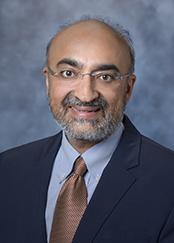
Credit: Cedars-Sinai
LOS ANGELES – New research from the Center for Cardiac Arrest Prevention in the Smidt Heart Institute has found for the first time that during nighttime hours, women are more likely than men to suffer sudden death due to cardiac arrest. Findings were published in the journal Heart Rhythm.
“Dying suddenly during nighttime hours is a perplexing and devastating phenomenon,” said Sumeet Chugh, MD, senior author of the study and director of the Center for Cardiac Arrest Prevention. “We were surprised to discover that being female is an independent predictor of these events.”
Medical experts are mystified, Chugh says, because during these late hours, most patients are in a resting state, with reduced metabolism, heart rate and blood pressure.
Sudden cardiac arrest-also called sudden cardiac death-is an electrical disturbance of the heart rhythm that causes the heart to stop beating. People often confuse sudden cardiac arrest with heart attack. However, a heart attack is caused by a buildup of cholesterol plaque that creates a blockage in the coronary arteries. And unlike a heart attack, when most have symptoms, sudden cardiac death can present in the absence of warning signs.
Another major difference: Most people survive heart attacks, with only 10% of patients surviving out-of-hospital cardiac arrest.
Of the approximately 350,000 people affected by the condition each year in the U.S., roughly 17% to 41% of cases occur during the nighttime hours of 10 p.m. to 6 a.m.
In the study, Chugh and his team of investigators looked at records of 4,126 patients, with 3,208 daytime cases of sudden cardiac arrest and 918 nighttime cases. Compared with daytime cases, patients who suffered from nighttime cardiac arrest were more likely to be female.
While further work is needed, the researchers suggest there may be a respiratory component causing this increased risk at night for women.
Chugh’s research also shows:
- 25.4% of females studied suffered cardiac arrest at night versus 20.6% of their male counterparts.
- The prevalence of lung disease was significantly higher in those who had a cardiac arrest at night compared with those who had cardiac arrest during the daytime.
- Those who had cardiac arrests in the nighttime had a higher prevalence of prior or current smoking history.
“The prevalence of chronic obstructive lung disease and asthma were found to be significantly higher in sudden cardiac arrest cases at night compared with daytime cases, regardless of gender,” said Chugh, also the Pauline and Harold Price Chair in Cardiac Electrophysiology Research. “Brain-affecting medications, some of which have the potential to suppress breathing, were also found to have a significantly greater usage in nighttime compared to daytime cardiac arrest.”
Based on these findings, this research report suggests that prescribing physicians may wish to be cautious when recommending brain-affecting medications, for example, sedatives and drugs prescribed for pain and depression management, to high-risk patients, especially women.
“This important research may better guide physicians and the broader medical community to making more sound, science-backed recommendations in treating this difficult condition,” said Christine Albert, MD, MPH, chair of the Department of Cardiology in the Smidt Heart Institute and the Lee and Harold Kapelovitz Distringuished Chair in Cardiology. “It is also a necessary continuation of sex-based research defining much of the field of cardiology.”
For two decades, Chugh has led the Oregon Sudden Unexpected Death Study, a unique partnership with the approximately 1 million residents of the Portland, Oregon metro area as well as the provider organizations that care for them-the first responders, hospital systems and the medical examiner network. Chugh also leads the Ventura Prediction of Sudden Death in Multi-Ethnic Communities Study based in Ventura, California, a similar community partnership with the approximately 850,000 residents, first responders, medical examiner and hospital systems of Ventura County.
###
Read more from the Cedars-Sinai Blog: Heart Rhythm Revelations.
Media Contact
Cara Martinez
[email protected]
Original Source
https:/
Related Journal Article
http://dx.