• HOME
  • NEWS
  • EXPLORE
    • CAREER
      • Companies
      • Jobs
    • EVENTS
    • iGEM
      • News
      • Team
    • PHOTOS
    • VIDEO
    • WIKI
  • BLOG
  • COMMUNITY
    • FACEBOOK
    • INSTAGRAM
    • TWITTER
Saturday, May 16, 2026
BIOENGINEER.ORG
No Result
View All Result
  • Login
  • HOME
  • NEWS
  • EXPLORE
    • CAREER
      • Companies
      • Jobs
        • Lecturer
        • PhD Studentship
        • Postdoc
        • Research Assistant
    • EVENTS
    • iGEM
      • News
      • Team
    • PHOTOS
    • VIDEO
    • WIKI
  • BLOG
  • COMMUNITY
    • FACEBOOK
    • INSTAGRAM
    • TWITTER
  • HOME
  • NEWS
  • EXPLORE
    • CAREER
      • Companies
      • Jobs
        • Lecturer
        • PhD Studentship
        • Postdoc
        • Research Assistant
    • EVENTS
    • iGEM
      • News
      • Team
    • PHOTOS
    • VIDEO
    • WIKI
  • BLOG
  • COMMUNITY
    • FACEBOOK
    • INSTAGRAM
    • TWITTER
No Result
View All Result
Bioengineer.org
No Result
View All Result
Home NEWS Science News Biology

Canadian researchers create new form of cultivated meat

Bioengineer by Bioengineer
January 19, 2021
in Biology
Reading Time: 2 mins read
0
IMAGE
Share on FacebookShare on TwitterShare on LinkedinShare on RedditShare on Telegram

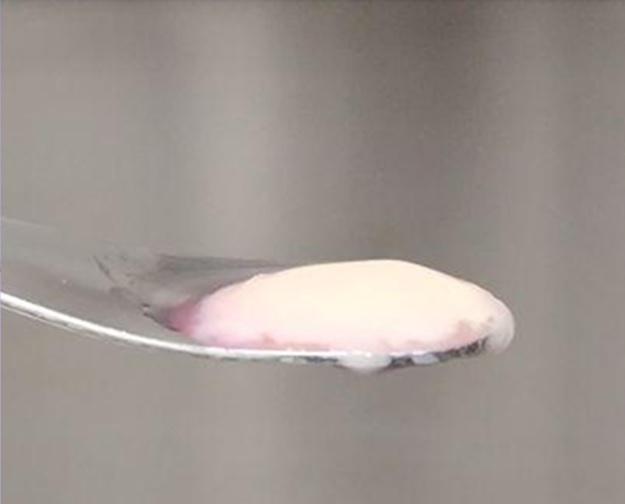
Layered sheets of cells stack up to slabs of lab-made meat
IMAGE

Credit: McMaster University

HAMILTON, ON, Jan. 19, 2021 — McMaster researchers have developed a new form of cultivated meat using a method that promises more natural flavour and texture than other alternatives to traditional meat from animals.

Researchers Ravi Selvaganapathy and Alireza Shahin-Shamsabadi, both of the university’s School of Biomedical Engineering, have devised a way to make meat by stacking thin sheets of cultivated muscle and fat cells grown together in a lab setting. The technique is adapted from a method used to grow tissue for human transplants.

The sheets of living cells, each about the thickness of a sheet of printer paper, are first grown in culture and then concentrated on growth plates before being peeled off and stacked or folded together. The sheets naturally bond to one another before the cells die.

The layers can be stacked into a solid piece of any thickness, Selvaganapathy says, and “tuned” to replicate the fat content and marbling of any cut of meat – an advantage over other alternatives.

“We are creating slabs of meat,” he says. “Consumers will be able to buy meat with whatever percentage of fat they like – just like they do with milk.”

As they describe in the journal Cells Tissues Organs, the researchers proved the concept by making meat from available lines of mouse cells. Though they did not eat the mouse meat described in the research paper, they later made and cooked a sample of meat they created from rabbit cells.

“It felt and tasted just like meat,” says Selvaganapathy.

There is no reason to think the same technology would not work for growing beef, pork or chicken, and the model would lend itself well to large-scale production, Selvaganapathy says.

The researchers were inspired by the meat-supply crisis in which worldwide demand is growing while current meat consumption is straining land and water resources and generating troubling levels of greenhouse gases.

“Meat production right now is not sustainable,” Selvaganapathy says. “There has to be an alternative way of creating meat.”

Producing viable meat without raising and harvesting animals would be far more sustainable, more sanitary and far less wasteful, the researchers point out. While other forms of cultured meat have previously been developed, the McMaster researchers believe theirs has the best potential for creating products consumers will accept, enjoy and afford.

The researchers have formed a start-up company to begin commercializing the technology.

###

Media Contact
Wade Hemsworth
[email protected]
Tags: AgricultureBiomedical/Environmental/Chemical EngineeringCell BiologyClimate ChangeFood/Food ScienceNutrition/Nutrients
Share12Tweet8Share2ShareShareShare2

Related Posts

Single mother must adapt swiftly — the survival of her colony depends on it — Biology

Single mother must adapt swiftly — the survival of her colony depends on it

May 15, 2026
Why Are Nearly Everyone Right-Handed? It Might Be Linked to How We Learned to Walk — Biology

Why Are Nearly Everyone Right-Handed? It Might Be Linked to How We Learned to Walk

May 15, 2026

Excessive Neuronal Activity Initiates Severe Autoimmune Brain Disorder

May 15, 2026

Precision Anti-Aging Strategies Focus on Eliminating Harmful Senescent Cells While Preserving Beneficial Ones

May 15, 2026
Please login to join discussion

POPULAR NEWS

  • Research Indicates Potential Connection Between Prenatal Medication Exposure and Elevated Autism Risk

    843 shares
    Share 337 Tweet 211
  • New Study Reveals Plants Can Detect the Sound of Rain

    730 shares
    Share 291 Tweet 182
  • Salmonella Haem Blocks Macrophages, Boosts Infection

    62 shares
    Share 25 Tweet 16
  • Breastmilk Balances E. coli and Beneficial Bacteria in Infant Gut Microbiomes

    58 shares
    Share 23 Tweet 15

About

We bring you the latest biotechnology news from best research centers and universities around the world. Check our website.

Follow us

Recent News

New Actinomycin Derivatives Target Malaria More Selectively

Mobile App Enhances Exercise for Older Adults’ Cognition

Botulinum Toxin Reduces Urinary Retention Post-Hemorrhoidopexy

Subscribe to Blog via Email

Enter your email address to subscribe to this blog and receive notifications of new posts by email.

Join 82 other subscribers
  • Contact Us

Bioengineer.org © Copyright 2023 All Rights Reserved.

Welcome Back!

Login to your account below

Forgotten Password?

Retrieve your password

Please enter your username or email address to reset your password.

Log In
No Result
View All Result
  • Homepages
    • Home Page 1
    • Home Page 2
  • News
  • National
  • Business
  • Health
  • Lifestyle
  • Science

Bioengineer.org © Copyright 2023 All Rights Reserved.