• HOME
  • NEWS
  • EXPLORE
    • CAREER
      • Companies
      • Jobs
    • EVENTS
    • iGEM
      • News
      • Team
    • PHOTOS
    • VIDEO
    • WIKI
  • BLOG
  • COMMUNITY
    • FACEBOOK
    • INSTAGRAM
    • TWITTER
Thursday, March 26, 2026
BIOENGINEER.ORG
No Result
View All Result
  • Login
  • HOME
  • NEWS
  • EXPLORE
    • CAREER
      • Companies
      • Jobs
        • Lecturer
        • PhD Studentship
        • Postdoc
        • Research Assistant
    • EVENTS
    • iGEM
      • News
      • Team
    • PHOTOS
    • VIDEO
    • WIKI
  • BLOG
  • COMMUNITY
    • FACEBOOK
    • INSTAGRAM
    • TWITTER
  • HOME
  • NEWS
  • EXPLORE
    • CAREER
      • Companies
      • Jobs
        • Lecturer
        • PhD Studentship
        • Postdoc
        • Research Assistant
    • EVENTS
    • iGEM
      • News
      • Team
    • PHOTOS
    • VIDEO
    • WIKI
  • BLOG
  • COMMUNITY
    • FACEBOOK
    • INSTAGRAM
    • TWITTER
No Result
View All Result
Bioengineer.org
No Result
View All Result
Home NEWS Science News

Retinal cell transplant clears experimental hurdle toward treating blindness

Bioengineer by Bioengineer
January 14, 2021
in Science News
Reading Time: 2 mins read
0
IMAGE
Share on FacebookShare on TwitterShare on LinkedinShare on RedditShare on Telegram

IMAGE

Credit: Su, Xinyi

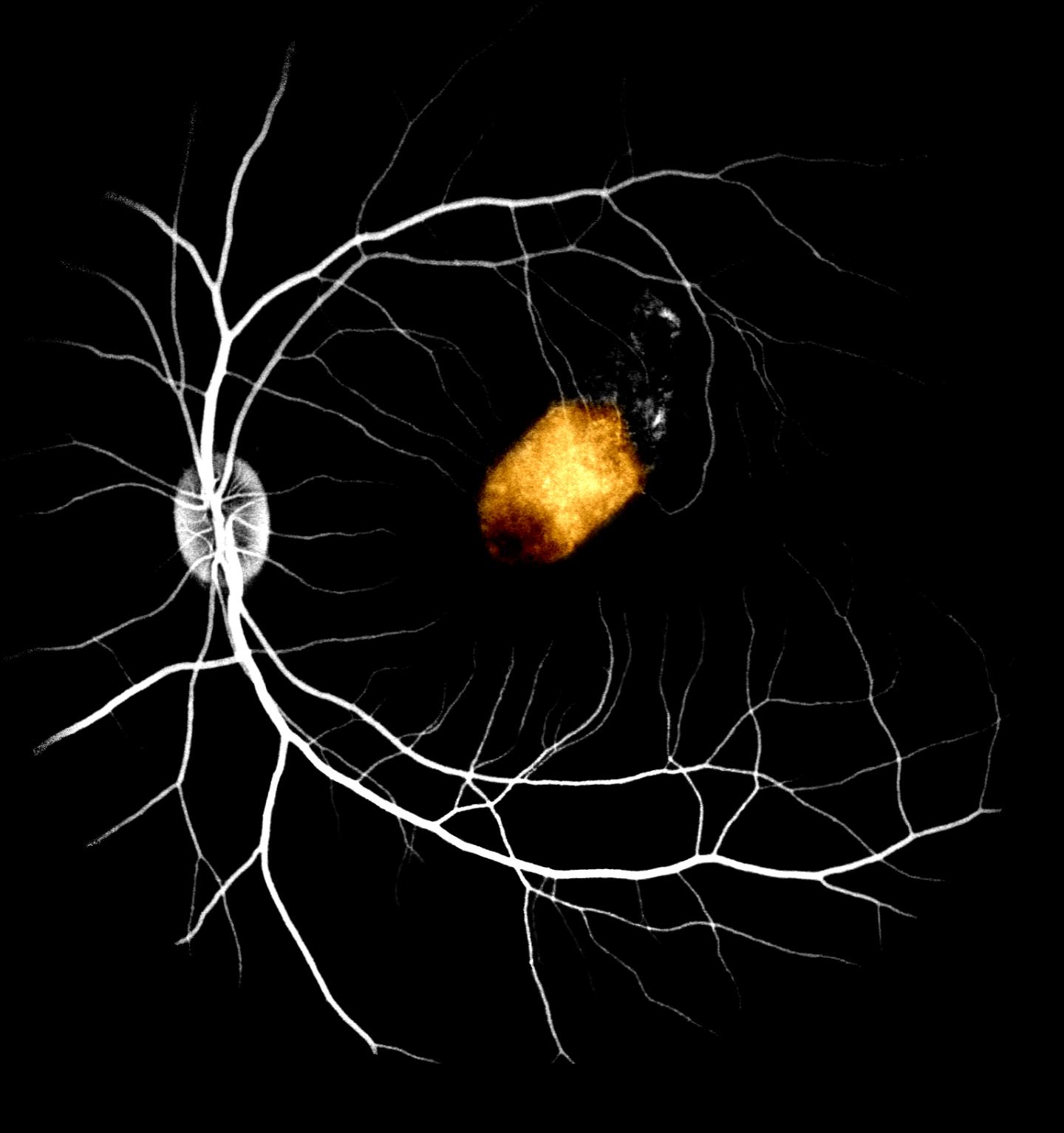
Retinal cells derived from adult human eye stem cells survived when transplanted into the eyes of monkeys, an important early step in the validation of this approach for treating blindness, according to a study by Liu, et al recently published in Stem Cell Reports. The retinal pigment epithelium (RPE), a layer of pigmented cells in the retina, is essential for sustaining normal vision. Blindness due to RPE dysfunction, such as macular degeneration, affects about 200 million people worldwide.

To restore this population of cells, researchers extracted retinal stem cells from donated cadaver adult eyes, grew them into RPE cells and transplanted them into the eyes of monkeys. These unique cells have the potential to serve as an unlimited resource of human RPE, with the possibility of donor compatibility matching.

The study is the first time the safety and feasibility of adult retinal stem cell-derived RPE transplants in non-human primates was assessed. Researchers found that RPE patches transplanted into the monkey’s eye stably integrated for at least three months with no serious side effects. What is more, the stem cell-derived RPE partially took over the function of the monkey RPE and was able to support normal photoreceptor function. Importantly, these cells did not cause retinal scarring.

Altogether, this demonstrates the feasibility of using adult retinal stem cell-derived RPE transplants to replace defective RPE as a possible treatment for macular degeneration. However, further experiments need to be conducted. This includes evidence to demonstrate adult retinal stem cell-derived RPE can restore vision in diseased non-human primate models, and eventually in regulatory human clinical trials. Nonetheless, this proof-of-principle study is an important early step in validating this approach, which is part of as international collaboration between the Icahn School of Medicine at Mount Sinai (New York), Institute of Molecular Cell Biology (A*STAR), Singapore Eye Research, National University of Singapore, and Eye Clinic Sulzbach (Germany).

###

Media Contact
Kym Kilbourne
[email protected]

Related Journal Article

http://dx.doi.org/10.1016/j.stemcr.2020.12.007

Tags: BiologyBiotechnologyCell BiologyOphthalmology
Share12Tweet8Share2ShareShareShare2

Related Posts

Microtubules Found to Actively Ensure Accurate Chromosome Distribution During Cell Division

March 25, 2026

Aversive Learning Hijacks Brain Sugar Sensor

March 25, 2026

Isolated H2-Reduced Clusters Boost CO2-to-Methanol Catalysis

March 25, 2026

In-Sensor Cryptography Links Physical Process to Digital Identity

March 25, 2026
Please login to join discussion

POPULAR NEWS

  • blank

    Revolutionary AI Model Enhances Precision in Detecting Food Contamination

    96 shares
    Share 38 Tweet 24
  • Imagine a Social Media Feed That Challenges Your Views Instead of Reinforcing Them

    1003 shares
    Share 397 Tweet 248
  • Uncovering Functions of Cavernous Malformation Proteins in Organoids

    54 shares
    Share 22 Tweet 14
  • Promising Outcomes from First Clinical Trials of Gene Regulation in Epilepsy

    51 shares
    Share 20 Tweet 13

About

We bring you the latest biotechnology news from best research centers and universities around the world. Check our website.

Follow us

Recent News

In-Sensor Cryptography Links Physical Process to Digital Identity

Can Psychosocial Factors Influence Cancer Risk?

Depression Factors in Elderly: Pre vs. Post-COVID Analysis

Subscribe to Blog via Email

Success! An email was just sent to confirm your subscription. Please find the email now and click 'Confirm' to start subscribing.

Join 78 other subscribers
  • Contact Us

Bioengineer.org © Copyright 2023 All Rights Reserved.

Welcome Back!

Login to your account below

Forgotten Password?

Retrieve your password

Please enter your username or email address to reset your password.

Log In
No Result
View All Result
  • Homepages
    • Home Page 1
    • Home Page 2
  • News
  • National
  • Business
  • Health
  • Lifestyle
  • Science

Bioengineer.org © Copyright 2023 All Rights Reserved.