• HOME
  • NEWS
  • EXPLORE
    • CAREER
      • Companies
      • Jobs
    • EVENTS
    • iGEM
      • News
      • Team
    • PHOTOS
    • VIDEO
    • WIKI
  • BLOG
  • COMMUNITY
    • FACEBOOK
    • INSTAGRAM
    • TWITTER
Tuesday, December 23, 2025
BIOENGINEER.ORG
No Result
View All Result
  • Login
  • HOME
  • NEWS
  • EXPLORE
    • CAREER
      • Companies
      • Jobs
        • Lecturer
        • PhD Studentship
        • Postdoc
        • Research Assistant
    • EVENTS
    • iGEM
      • News
      • Team
    • PHOTOS
    • VIDEO
    • WIKI
  • BLOG
  • COMMUNITY
    • FACEBOOK
    • INSTAGRAM
    • TWITTER
  • HOME
  • NEWS
  • EXPLORE
    • CAREER
      • Companies
      • Jobs
        • Lecturer
        • PhD Studentship
        • Postdoc
        • Research Assistant
    • EVENTS
    • iGEM
      • News
      • Team
    • PHOTOS
    • VIDEO
    • WIKI
  • BLOG
  • COMMUNITY
    • FACEBOOK
    • INSTAGRAM
    • TWITTER
No Result
View All Result
Bioengineer.org
No Result
View All Result
Home NEWS Science News

Think you have COVID? This camera could tell you

Bioengineer by Bioengineer
November 20, 2020
in Science News
Reading Time: 2 mins read
0
IMAGE
Share on FacebookShare on TwitterShare on LinkedinShare on RedditShare on Telegram

IMAGE

Credit: University of South Australia

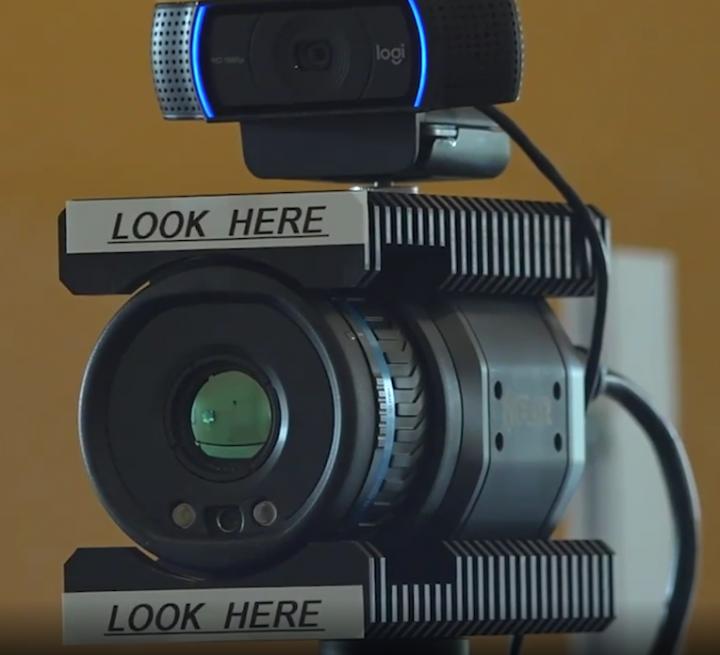
A key symptom of COVID-19 – oxygen saturation – is now being estimated remotely from a camera, thanks to research from University of South Australia engineers Professor Javaan Chahl, Dr Ali Al-Naji and their team of graduate students.

AI health monitoring software developed by the team this year, and licensed to North American drone company Draganfly Inc, already detects temperature, heart and breathing rates from drones and fixed cameras.

Technology developed under the research project is already being used widely in the US to monitor for COVID-19 symptoms and ensure social distancing compliance in a range of environments.

The contactless sensing technology takes just 15 seconds to measure heart rate, breathing rate and now blood oxygen levels from webcam video of a person’s face, while also measuring core temperature using a thermal camera.

Also known as SpO2, blood oxygen saturation is a measure of how well the lungs absorb oxygen and the circulatory system transports oxygenated blood.

“An individual’s SpO2 level is usually measured using connected sensors that project light through a finger or earlobe and, until now, there has been no real means to make a non-contact assessment,” Prof Chahl says.

“In this pandemic, a low SpO2 level has risen to prominence as an important symptom of individuals with COVID-19.

“The blood oxygen gauge our team has developed for Draganfly’s Vital Intelligence project shows the enormous potential of streaming video for remote detection of many health conditions, not just COVID-19,” he says.

Draganfly CEO, Cameron Chell, says the technology developed by University of South Australia researchers is unique.

“There is nothing else like it out there in the commercial marketplace that has the science behind it,” Chell says. “It is third party reviewed, clinically researched, university built and designed technology. It is a gamechanger in telehealth and overall health security in our society.”

Dr Al-Naji and Prof Chahl, DST Group Joint Chair of Sensor Systems at UniSA, have previously demonstrated the value of monitoring vital health signs from fixed cameras via contactless monitoring to reduce the risk of infection in neonatal wards, replacing adhesive electrodes.

Their work to develop specialised sensor and computer vision systems to remotely monitor temperature, heart and respiratory rates was originally envisaged for war zones and natural disasters to detect signs of life.

The technology has also been successfully trialled to undertake basic health checks of exotic wildlife using a digital camera, saving them the stress of an anaesthetic.

###

Media Contact
Candy Gibson
[email protected]

Original Source

https://unisa.edu.au/Media-Centre/Releases/2020/unisa-pioneers-remote-screening-for-vital-health-signs-indicating-covid-19/

Tags: Biomedical/Environmental/Chemical EngineeringComputer ScienceResearch/DevelopmentRobotry/Artificial IntelligenceTechnology/Engineering/Computer Science
Share12Tweet8Share2ShareShareShare2

Related Posts

Muscle Bursting Signals Impulse Control Issues in Parkinson’s

December 23, 2025

Racial Gaps in Cardiovascular Risk Control in Obesity

December 23, 2025

Revolutionary Micro-CT and AI Evaluate Ovarian Follicles

December 23, 2025

Analyzing US Clinical Guidelines: Evidence and Recommendations

December 23, 2025
Please login to join discussion

POPULAR NEWS

  • Nurses’ Views on Online Learning: Effects on Performance

    Nurses’ Views on Online Learning: Effects on Performance

    70 shares
    Share 28 Tweet 18
  • NSF funds machine-learning research at UNO and UNL to study energy requirements of walking in older adults

    71 shares
    Share 28 Tweet 18
  • Unraveling Levofloxacin’s Impact on Brain Function

    54 shares
    Share 22 Tweet 14
  • Exploring Audiology Accessibility in Johannesburg, South Africa

    51 shares
    Share 20 Tweet 13

About

BIOENGINEER.ORG

We bring you the latest biotechnology news from best research centers and universities around the world. Check our website.

Follow us

Recent News

Muscle Bursting Signals Impulse Control Issues in Parkinson’s

Racial Gaps in Cardiovascular Risk Control in Obesity

Revolutionary Micro-CT and AI Evaluate Ovarian Follicles

Subscribe to Blog via Email

Enter your email address to subscribe to this blog and receive notifications of new posts by email.

Join 70 other subscribers
  • Contact Us

Bioengineer.org © Copyright 2023 All Rights Reserved.

Welcome Back!

Login to your account below

Forgotten Password?

Retrieve your password

Please enter your username or email address to reset your password.

Log In
No Result
View All Result
  • Homepages
    • Home Page 1
    • Home Page 2
  • News
  • National
  • Business
  • Health
  • Lifestyle
  • Science

Bioengineer.org © Copyright 2023 All Rights Reserved.