• HOME
  • NEWS
  • EXPLORE
    • CAREER
      • Companies
      • Jobs
    • EVENTS
    • iGEM
      • News
      • Team
    • PHOTOS
    • VIDEO
    • WIKI
  • BLOG
  • COMMUNITY
    • FACEBOOK
    • INSTAGRAM
    • TWITTER
Thursday, March 26, 2026
BIOENGINEER.ORG
No Result
View All Result
  • Login
  • HOME
  • NEWS
  • EXPLORE
    • CAREER
      • Companies
      • Jobs
        • Lecturer
        • PhD Studentship
        • Postdoc
        • Research Assistant
    • EVENTS
    • iGEM
      • News
      • Team
    • PHOTOS
    • VIDEO
    • WIKI
  • BLOG
  • COMMUNITY
    • FACEBOOK
    • INSTAGRAM
    • TWITTER
  • HOME
  • NEWS
  • EXPLORE
    • CAREER
      • Companies
      • Jobs
        • Lecturer
        • PhD Studentship
        • Postdoc
        • Research Assistant
    • EVENTS
    • iGEM
      • News
      • Team
    • PHOTOS
    • VIDEO
    • WIKI
  • BLOG
  • COMMUNITY
    • FACEBOOK
    • INSTAGRAM
    • TWITTER
No Result
View All Result
Bioengineer.org
No Result
View All Result
Home NEWS Science News Chemistry

Rising opioid use during pandemic heightens need for safe drug disposal

Bioengineer by Bioengineer
October 27, 2020
in Chemistry
Reading Time: 2 mins read
0
IMAGE
Share on FacebookShare on TwitterShare on LinkedinShare on RedditShare on Telegram

UH Pharmacy professor receives $3.3 million grant for safe medication disposal education, research
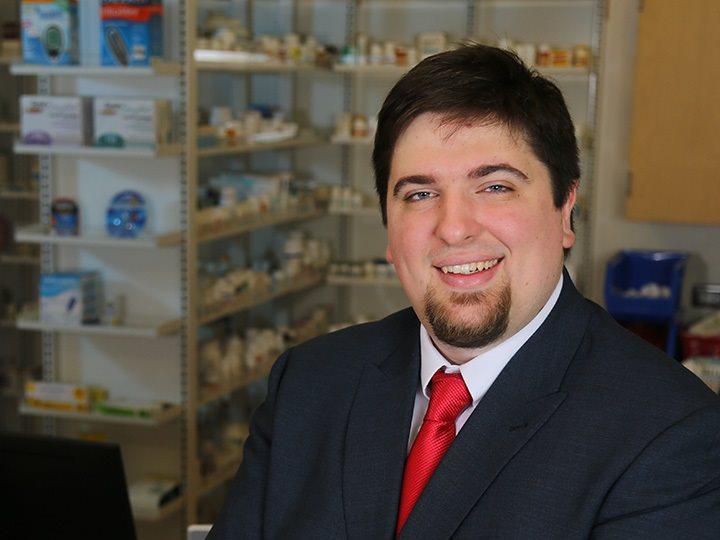
IMAGE

Credit: University of Houston

During the global coronavirus pandemic, the opioid crisis in the United States “has grown into a much more complicated and deadly drug overdose epidemic,” according to a new report by the American Medical Association (AMA). Combined with the fact that one-third of teens who used drugs for the first time began by using a prescription drug for non-medical purposes, the need to dispose of medications in the home has amplified.

“A significant part of prescription drug misuse starts close to home, and with more families living intergenerationally due to COVID-19, it’s more important than ever to dispose of unused and unwanted prescription controlled- substance medications,” said Doug Thornton, director of the University of Houston Prescription Drug Misuse Education and Research (PREMIER) Center and assistant professor of pharmaceutical health outcomes and policy.

Thornton has received a $3.34 million supplement from the Texas Targeted Opioid Response program on his grant to expand education and training on medication single-use disposal systems. The kits are one-time use, safe disposal systems that deactivate drugs, preventing misuse and protecting the environment.

In the first phase of the project and until the pandemic hit, Thornton’s group helped community partners provide the single-use disposal systems at 498 different events throughout Texas that had over 36,000 people in attendance. They have also distributed them to fire departments and community pharmacies.

In this next phase, he will develop more targeted distribution methods and compare them to find which groups were most effective in distributing the kits and why.

“We want to establish some best practices of the top performers so we can continuously improve our distribution,” said Thornton. “We’re taking the extra step to examine what events are the most successful and how can we help facilitate the better use of these products by patients, so they’re not used inappropriately or not used at all.”

###

Thornton’s team includes Matthew Wanat, clinical associate professor of pharmacy practice; Danielle Campbell and Jessica Price of PREMIER; Tamara Al Rawwad, post-doctoral fellow; and graduate and professional pharmacy students Shweta Bapat, Tyler Varisco, Vaishnavi Tata and Callie Downs.

Media Contact
Laurie Fickman
[email protected]

Original Source

https://uh.edu/news-events/stories/2020/october-2020/10272020-doug-thornton-3.3-million-drug-disposal.php

Tags: AddictionCritical Care/Emergency MedicineDeath/DyingInternal MedicineMedical EducationMedicine/HealthPharmaceutical SciencesPharmaceutical/Combinatorial Chemistry
Share12Tweet8Share2ShareShareShare2

Related Posts

Isolated H2-Reduced Clusters Boost CO2-to-Methanol Catalysis

Isolated H2-Reduced Clusters Boost CO2-to-Methanol Catalysis

March 25, 2026
blank

Physicists Identify Electronic Drivers Behind Flat Band Quantum Materials

March 21, 2026

Würzburg Chemistry Professor Claudia Höbartner Receives Prestigious Honor

March 20, 2026

Scientists Reveal How Magnets Control Metamaterial Behavior

March 20, 2026
Please login to join discussion

POPULAR NEWS

  • blank

    Revolutionary AI Model Enhances Precision in Detecting Food Contamination

    96 shares
    Share 38 Tweet 24
  • Imagine a Social Media Feed That Challenges Your Views Instead of Reinforcing Them

    1003 shares
    Share 397 Tweet 248
  • Uncovering Functions of Cavernous Malformation Proteins in Organoids

    54 shares
    Share 22 Tweet 14
  • Promising Outcomes from First Clinical Trials of Gene Regulation in Epilepsy

    51 shares
    Share 20 Tweet 13

About

We bring you the latest biotechnology news from best research centers and universities around the world. Check our website.

Follow us

Recent News

In-Sensor Cryptography Links Physical Process to Digital Identity

Can Psychosocial Factors Influence Cancer Risk?

Depression Factors in Elderly: Pre vs. Post-COVID Analysis

Subscribe to Blog via Email

Enter your email address to subscribe to this blog and receive notifications of new posts by email.

Join 78 other subscribers
  • Contact Us

Bioengineer.org © Copyright 2023 All Rights Reserved.

Welcome Back!

Login to your account below

Forgotten Password?

Retrieve your password

Please enter your username or email address to reset your password.

Log In
No Result
View All Result
  • Homepages
    • Home Page 1
    • Home Page 2
  • News
  • National
  • Business
  • Health
  • Lifestyle
  • Science

Bioengineer.org © Copyright 2023 All Rights Reserved.