• HOME
  • NEWS
  • EXPLORE
    • CAREER
      • Companies
      • Jobs
    • EVENTS
    • iGEM
      • News
      • Team
    • PHOTOS
    • VIDEO
    • WIKI
  • BLOG
  • COMMUNITY
    • FACEBOOK
    • INSTAGRAM
    • TWITTER
Monday, July 6, 2026
BIOENGINEER.ORG
No Result
View All Result
  • Login
  • HOME
  • NEWS
  • EXPLORE
    • CAREER
      • Companies
      • Jobs
        • Lecturer
        • PhD Studentship
        • Postdoc
        • Research Assistant
    • EVENTS
    • iGEM
      • News
      • Team
    • PHOTOS
    • VIDEO
    • WIKI
  • BLOG
  • COMMUNITY
    • FACEBOOK
    • INSTAGRAM
    • TWITTER
  • HOME
  • NEWS
  • EXPLORE
    • CAREER
      • Companies
      • Jobs
        • Lecturer
        • PhD Studentship
        • Postdoc
        • Research Assistant
    • EVENTS
    • iGEM
      • News
      • Team
    • PHOTOS
    • VIDEO
    • WIKI
  • BLOG
  • COMMUNITY
    • FACEBOOK
    • INSTAGRAM
    • TWITTER
No Result
View All Result
Bioengineer.org
No Result
View All Result
Home NEWS Science News Biology

Molecules responsible for radio-resistant glioblastoma identified

Bioengineer by Bioengineer
September 30, 2020
in Biology
Reading Time: 2 mins read
0
IMAGE
Share on FacebookShare on TwitterShare on LinkedinShare on RedditShare on Telegram

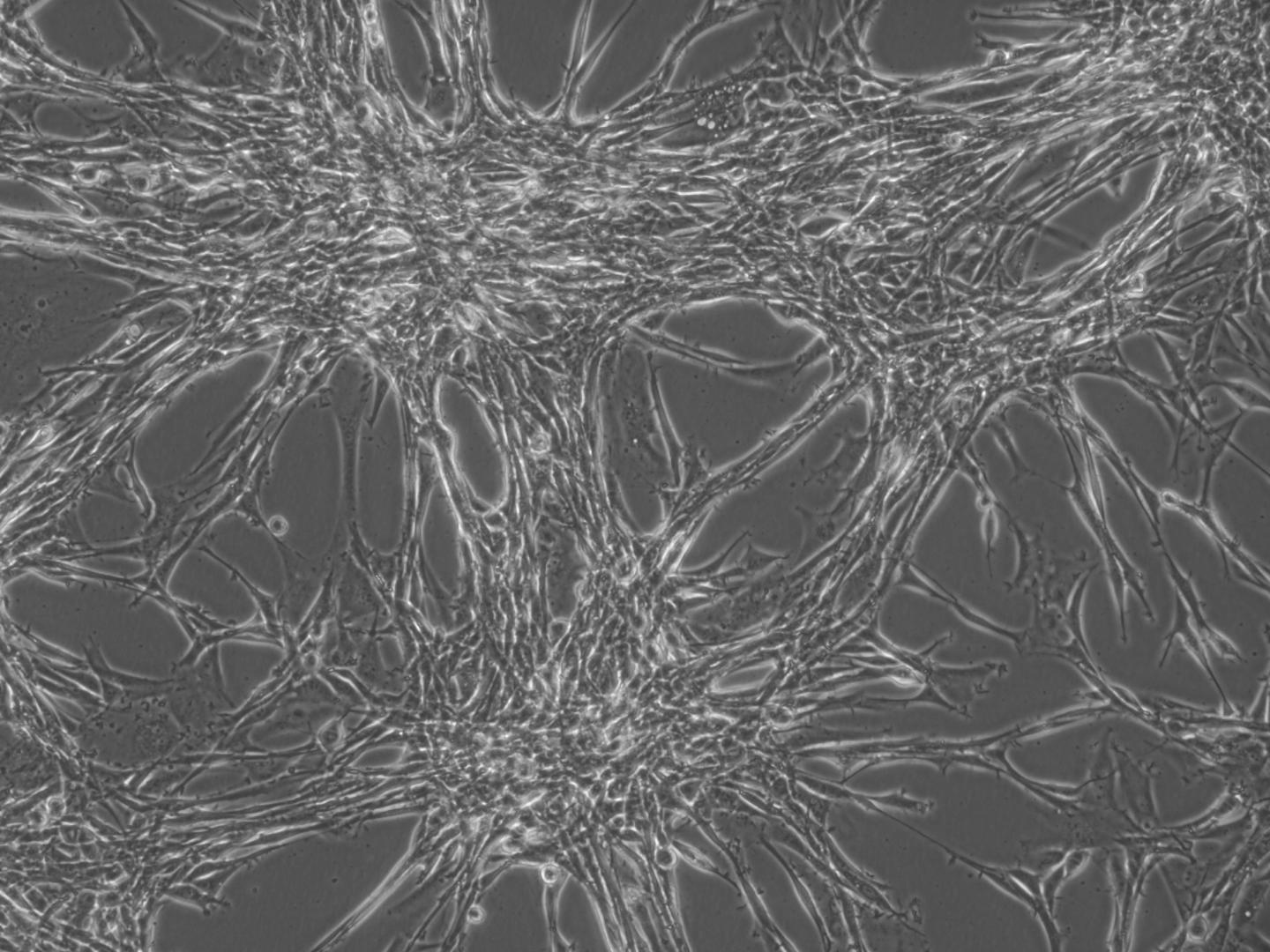
IMAGE

Credit: Jin-Min Nam

Scientists have identified key molecules that mediate radioresistance in glioblastoma multiforme; these molecules are a potential target for the treatment of this brain cancer.

Glioblastoma multiforme (GBM), is the most aggressive type of brain cancer. It is treated by radiation therapy combined with chemotherapy. However, even with treatment, the five-year survival rate for GBM is less than 7%. One of the major causes for this is that GBM rapidly develops radioresistance (resistance to radiotherapy) by unknown mechanisms.

A team of scientists from Hokkaido University and Stanford University have revealed a mechanism by which GBM develops radioresistance. Their research, published in the journal Neuro-Oncology Advances, explains how two key molecules, Rab27b and epiregulin, interact to contribute to radioresistance in GBM.

The primary function of Rab27b is to regulate protein trafficking and secretion of molecules. Rab27b is also known to promote tumor progression and metastasis in several types of cancer. For these reasons, the scientists decided to investigate if Rab27b had any role to play in GBM.

Upon performing tests on human glioblastoma cell lines, the scientists showed that Rab27b expression was increased for at least seven days after exposure to radiation. Knockdown of Rab27b increased the sensitivity of glioblastoma cells to irradiation. These tests were replicated in an animal model: the glioblastoma cells were injected into mice, which were then subjected to radiation therapy. Rab27b knockdown combined with radiation therapy delayed tumor growth and prolonged mouse survival time.

As Rab27b is a regulator of protein trafficking, the scientists continued their work, looking for other molecules that contribute to radioresistance. They discovered that changes in the expression of Rab27b led to corresponding changes in the expression of epiregulin, a growth factor whose expression is known to increase in cancer cells; knocking down the expression of epiregulin increased the sensitivity to irradiation, as seen in the cells with Rab27b knockdown. Further, the scientists showed that increased expression of Rab27b and epiregulin in glioblastoma induced the proliferation of surrounding cancer cells, which could contribute to acquiring radioresistance. Finally, they analyzed gene expression data of GBM patients and found that upregulation of Rab27b and epiregulin correlated with poor prognosis of the patients.

By identifying the roles that Rab27b and epiregulin play in the development of radioresistance in GBM, the scientists have brought to light a novel target for drug development, and one that could significantly increase the survival rate for GBM.

Dr. Jin-Min Nam and Dr. Yasuhito Onodera are part of the Radiation Biology group at the Global Center for Biomedical Science and Engineering (GCB), a collaboration between Hokkaido University, Japan, and Stanford University, USA. The group specializes in molecular and cellular oncology, and radiation biology.

###

Media Contact
Sohail Keegan Pinto
[email protected]

Original Source

https://www.global.hokudai.ac.jp/blog/molecules-responsible-for-radio-resistant-glioblastoma-identified/

Related Journal Article

http://dx.doi.org/10.1093/noajnl/vdaa091

Tags: BiochemistrycancerCell BiologyMedicine/HealthMolecular Biologyneurobiology
Share12Tweet8Share2ShareShareShare2

Related Posts

Bacteria evolve faster with unconventional gene copies — Biology

Bacteria evolve faster with unconventional gene copies

July 6, 2026
Neighbours rewire soil feedback via root microbiome shifts — Biology

Neighbours rewire soil feedback via root microbiome shifts

July 6, 2026

Evolution-Inspired Biosensors Revolutionize Lipid Tracking in Real Time

July 2, 2026

New Study Reveals How to Reduce Risk of Dangerous Wildlife Encounters This Summer

July 2, 2026
Please login to join discussion

POPULAR NEWS

  • Detection of EDCs in Breast Milk and Infant Urine Up to Six Months Highlights Early Exposure Risks

    77 shares
    Share 31 Tweet 19
  • New Drug Candidate Developed at McMaster Shows Potential for Treating Brain Cancer

    58 shares
    Share 23 Tweet 15
  • Saying Goodbye to PGY-6: Pediatric Fellowship Realities

    103 shares
    Share 41 Tweet 26
  • KTU Researchers Explore Ultrasound’s Role in Enhancing Blood Flow Beyond Diagnostics

    53 shares
    Share 21 Tweet 13

About

We bring you the latest biotechnology news from best research centers and universities around the world. Check our website.

Follow us

Recent News

Unseen Chaos Beneath Our Feet: Human Activity Breaks the Vital Connection Between Coastal Soil Carbon and Density

From Anxiety to Overwhelm: Tracing the Hidden Stress Escalation in Dementia Caregiving

Human milk fortifier cuts NEC risk in preemies

Subscribe to Blog via Email

Enter your email address to subscribe to this blog and receive notifications of new posts by email.

Join 83 other subscribers
  • Contact Us

Bioengineer.org © Copyright 2023 All Rights Reserved.

Welcome Back!

Login to your account below

Forgotten Password?

Retrieve your password

Please enter your username or email address to reset your password.

Log In
No Result
View All Result
  • Homepages
    • Home Page 1
    • Home Page 2
  • News
  • National
  • Business
  • Health
  • Lifestyle
  • Science

Bioengineer.org © Copyright 2023 All Rights Reserved.