

• HOME
  • NEWS
  • EXPLORE
    • CAREER
      • Companies
      • Jobs
    • EVENTS
    • iGEM
      • News
      • Team
    • PHOTOS
    • VIDEO
    • WIKI
  • BLOG
  • COMMUNITY
    • FACEBOOK
    • INSTAGRAM
    • TWITTER
Sunday, January 11, 2026
BIOENGINEER.ORG
No Result
View All Result
  • Login
  • HOME
  • NEWS
  • EXPLORE
    • CAREER
      • Companies
      • Jobs
        • Lecturer
        • PhD Studentship
        • Postdoc
        • Research Assistant
    • EVENTS
    • iGEM
      • News
      • Team
    • PHOTOS
    • VIDEO
    • WIKI
  • BLOG
  • COMMUNITY
    • FACEBOOK
    • INSTAGRAM
    • TWITTER
  • HOME
  • NEWS
  • EXPLORE
    • CAREER
      • Companies
      • Jobs
        • Lecturer
        • PhD Studentship
        • Postdoc
        • Research Assistant
    • EVENTS
    • iGEM
      • News
      • Team
    • PHOTOS
    • VIDEO
    • WIKI
  • BLOG
  • COMMUNITY
    • FACEBOOK
    • INSTAGRAM
    • TWITTER
No Result
View All Result
Bioengineer.org
No Result
View All Result
Home NEWS Science News Science

Targeted preventive measures for hip fracture are needed for persons with Alzheimer’s disease

Bioengineer by Bioengineer
December 7, 2016
in Science
Reading Time: 2 mins read
0
Share on FacebookShare on TwitterShare on LinkedinShare on RedditShare on Telegram

The hip fracture risk factors are generally similar among those with and without Alzheimer's disease, according to a recent study from the University of Eastern Finland. However, the incidence of hip fracture is higher among those with Alzheimer's disease, regardless of other characteristics. Alzheimer's disease itself appears to be such a significant risk factor for hip fracture that the relative impact of other risk factors is considerably smaller among those with Alzheimer's disease.

Older persons, men, and those with mental and behavioural disorders or using antipsychotics or antidepressants had a higher hip fracture risk both among persons with and without Alzheimer's disease, but the relative risk increase was higher among persons without Alzheimer's disease. Stroke, diabetes, active cancer treatment, and the use of proton pump inhibitors, antiepileptics or opioids were associated with a higher hip fracture risk only in those without Alzheimer's disease.

The findings are based on the MEDALZ study, including all community-dwellers of Finland who received a clinically verified diagnosis of Alzheimer's disease in 2005-2011 and had no history of previous hip fracture (N=67,072) and a matched cohort of persons without Alzheimer's disease.

Previously, many risk factors for hip fracture, including dementia, had been identified. It was not known whether the same factors predict hip fracture risk in persons with and without Alzheimer's disease, which is the most common form of dementia. However, it is known that the consequences of hip fracture are even more devastating for a person with dementia.

The new findings underline the importance of developing and implementing preventive interventions that are suitable for persons with dementia. Different preventive interventions such as exercise, medications, home safety assessment and modification interventions, as well as medication reviews have already been proposed but few studies have explored the applicability of these measures to persons with dementia. Regular assessments of medication are one feasible approach, as an association was found between various medications and hip fracture risk.

###

For further information, please contact:

Anna-Maija Tolppanen, Academy Research Fellow, Associate Professor, University of Eastern Finland, School of Pharmacy. Tel +358 50575 9530, email anna-maija.tolppanen (at) uef.fi

Research article:

Anna-Maija Tolppanen, Heidi Taipale, Antti Tanskanen, Jari Tiihonen, Sirpa Hartikainen: Comparison of predictors of hip fracture and mortality after hip fracture in community-dwellers with and without Alzheimer's disease – exposure-matched cohort study. BMC Geriatrics (2016) 16:204. DOI 10.1186/s12877-016-0383-2

Media Contact

Anna-Maija Tolppanen
[email protected]
358-505-759-530
@UniEastFinland

http://www.uef.fi

############

Story Source: Materials provided by Scienmag
Share12Tweet8Share2ShareShareShare2

Related Posts

Five or more hours of smartphone usage per day may increase obesity

July 25, 2019
IMAGE

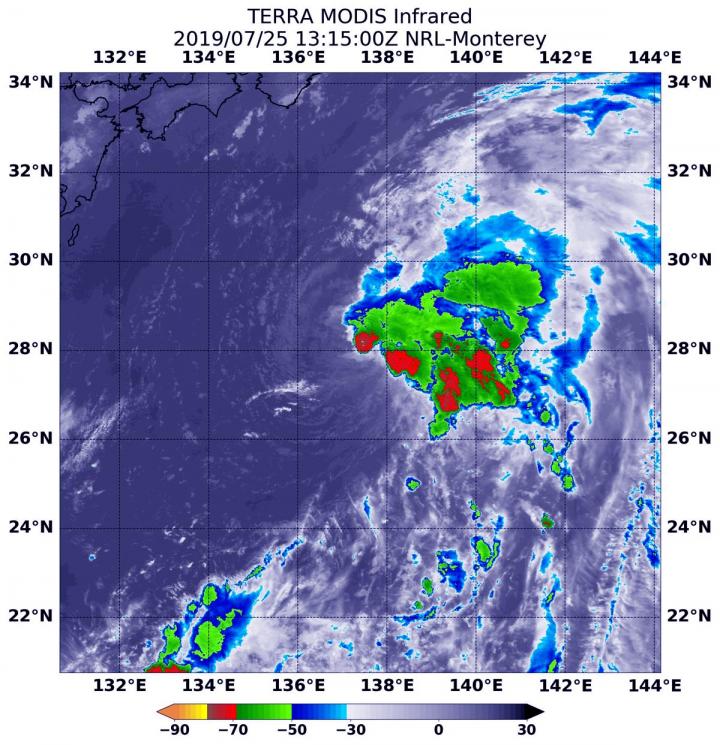
NASA’s terra satellite finds tropical storm 07W’s strength on the side

July 25, 2019

NASA finds one burst of energy in weakening Depression Dalila

July 25, 2019

Researcher’s innovative flood mapping helps water and emergency management officials

July 25, 2019
Please login to join discussion

POPULAR NEWS

  • Enhancing Spiritual Care Education in Nursing Programs

    154 shares
    Share 62 Tweet 39
  • PTSD, Depression, Anxiety in Childhood Cancer Survivors, Parents

    146 shares
    Share 58 Tweet 37
  • Robotic Ureteral Reconstruction: A Novel Approach

    60 shares
    Share 24 Tweet 15
  • Impact of Vegan Diet and Resistance Exercise on Muscle Volume

    47 shares
    Share 19 Tweet 12

About

We bring you the latest biotechnology news from best research centers and universities around the world. Check our website.

Follow us

Recent News

AI-Driven Insights into E-Commerce Consumer Behavior

Empowering Hong Kong Teens: Mental Health Leadership Training

Self-Care and Efficacy in Older Adults’ Health

Subscribe to Blog via Email

Enter your email address to subscribe to this blog and receive notifications of new posts by email.

Join 71 other subscribers
  • Contact Us

Bioengineer.org © Copyright 2023 All Rights Reserved.

Welcome Back!

Login to your account below

Forgotten Password?

Retrieve your password

Please enter your username or email address to reset your password.

Log In
No Result
View All Result
  • Homepages
    • Home Page 1
    • Home Page 2
  • News
  • National
  • Business
  • Health
  • Lifestyle
  • Science

Bioengineer.org © Copyright 2023 All Rights Reserved.