• HOME
  • NEWS
  • EXPLORE
    • CAREER
      • Companies
      • Jobs
    • EVENTS
    • iGEM
      • News
      • Team
    • PHOTOS
    • VIDEO
    • WIKI
  • BLOG
  • COMMUNITY
    • FACEBOOK
    • INSTAGRAM
    • TWITTER
Saturday, February 7, 2026
BIOENGINEER.ORG
No Result
View All Result
  • Login
  • HOME
  • NEWS
  • EXPLORE
    • CAREER
      • Companies
      • Jobs
        • Lecturer
        • PhD Studentship
        • Postdoc
        • Research Assistant
    • EVENTS
    • iGEM
      • News
      • Team
    • PHOTOS
    • VIDEO
    • WIKI
  • BLOG
  • COMMUNITY
    • FACEBOOK
    • INSTAGRAM
    • TWITTER
  • HOME
  • NEWS
  • EXPLORE
    • CAREER
      • Companies
      • Jobs
        • Lecturer
        • PhD Studentship
        • Postdoc
        • Research Assistant
    • EVENTS
    • iGEM
      • News
      • Team
    • PHOTOS
    • VIDEO
    • WIKI
  • BLOG
  • COMMUNITY
    • FACEBOOK
    • INSTAGRAM
    • TWITTER
No Result
View All Result
Bioengineer.org
No Result
View All Result
Home NEWS Science News Health

Researcher receives $1.8 million grant to enhance oral absorption of water-insoluble drugs

Bioengineer by Bioengineer
September 3, 2020
in Health
Reading Time: 2 mins read
0
IMAGE
Share on FacebookShare on TwitterShare on LinkedinShare on RedditShare on Telegram

Novel nanotechnology allows for further research to improve oral drugs
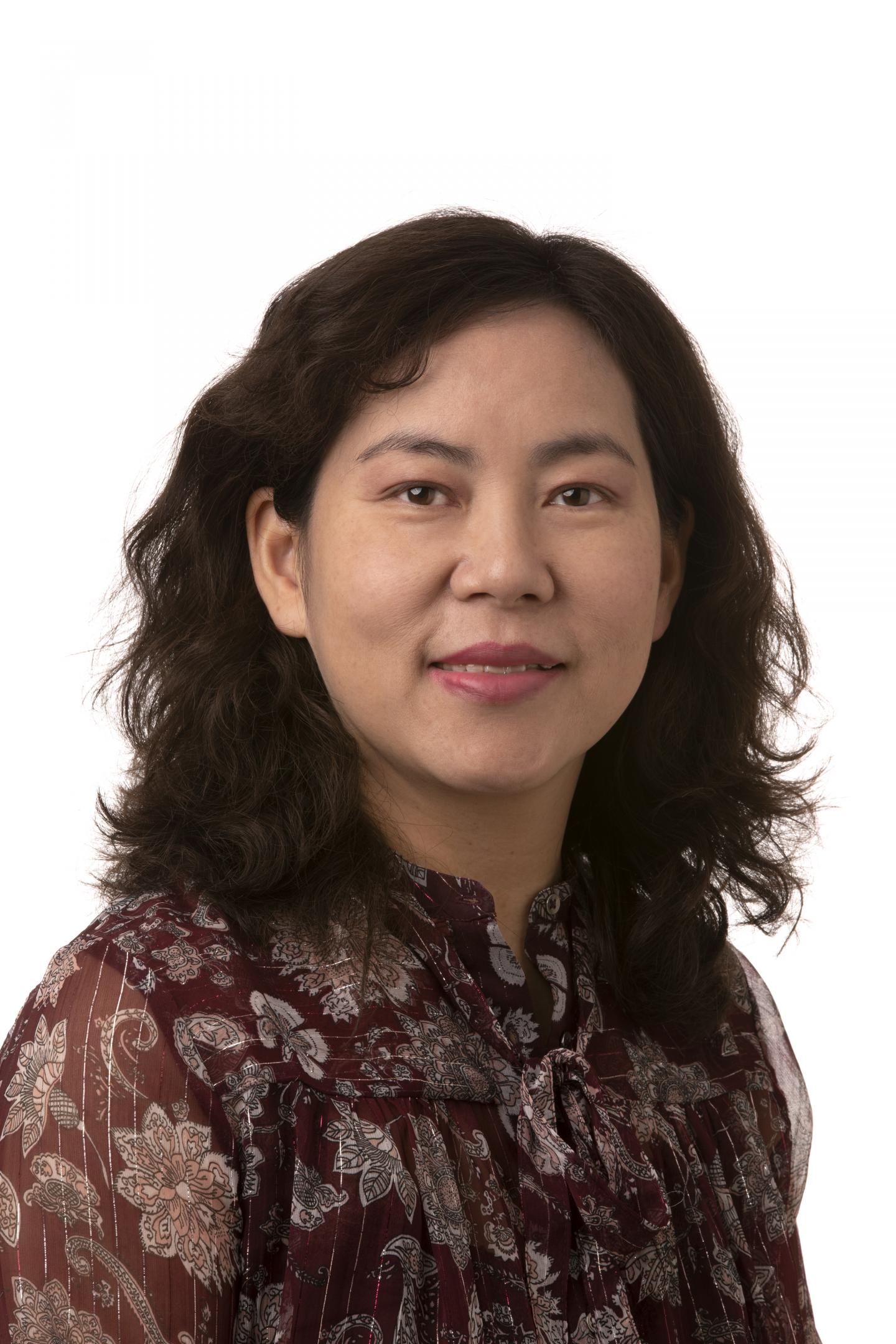
IMAGE

Credit: HSC

Xiaowei Dong, Associate Professor and P1 Curriculum Director at HSC College of Pharmacy, was recently awarded the Maximizing Investigators’ Resource Award (MIRA-R35) to continue her research into technologies that improve the effectiveness of oral drugs.

Dr. Dong received the five-year, $1.8 million award from National Institutes of General Medical Sciences at the National Institutes of Health.

An estimated 40% of approved drugs and nearly 90% of the developmental pipeline drugs consist of poorly water-soluble molecules, Dr. Dong said. Oral administration is the most favorable and preferred route.

Previously, Dr. Dong worked as a lead formulator in drug product development at Novartis Pharmaceutical Corporation, where her projects were related to water-insoluble compounds.

“Although there were several oral special delivery systems available for water-insoluble compounds, we still faced limited technology options,” she said. “Without effective drug delivery systems for poorly water-soluble drugs, development of oral formulations of molecules are often abandoned nevertheless having strong therapeutic potentials.

“Moreover, many marketed oral drugs have poor water solubility and are commonly associated with low bioavailability and patient variability.”

As an expert in lipid nanoparticles, Dr. Dong observed their advantages for drug delivery. However, a hurdle in using lipid nanoparticles in oral solid dosage forms was low drug loading, meaning the final solid form would have a small amount of drug after nanoparticles were converted to solid forms.

“When I came back to academia in 2013, I dedicated myself to research in this area. In 2015, I discovered in situ self-assembled nanoparticles (ISNP),” Dr. Dong said.

This award is based on this nanotechnology to advance formulation technology for water-insoluble drugs, she said.

“With this novel nanotechnology, we are able to produce drug solid nanoformulations with high drug loading,” Dr. Dong said. “We found many special features about this nanotechnology.”

Dr. Dong, who earned a PhD in Pharmaceutical Sciences in College of Pharmacy at the University of Kentucky, collaborates with other research efforts.

“The ISNP nanotechnology is the main focus in my lab now,” she said. “(But) because my research is about formulation technology, I can use it for different drugs to treat different diseases. Currently, I collaborate with other researchers on the treatments of lung disease, cancers and diabetes.”

Dr. Dong said research on formulation and drug delivery is creative work.

“We need to customize each formulation according to the properties of one particular drug,” she said. “This research is also very challenging because we have to constantly change compositions, technology and procedures to provide the best formulation for one drug.”

###

Media Contact
Diane Smith-Pinckney
[email protected]

Tags: Medicine/HealthPharmaceutical Science
Share12Tweet8Share2ShareShareShare2

Related Posts

Phage-Antibiotic Combo Beats Resistant Peritoneal Infection

February 7, 2026

Boosting Remote Healthcare: Stepped-Wedge Trial Insights

February 7, 2026

Barriers and Boosters of Seniors’ Physical Activity in Karachi

February 7, 2026

Evaluating Pediatric Emergency Care Quality in Ethiopia

February 7, 2026
Please login to join discussion

POPULAR NEWS

  • Robotic Ureteral Reconstruction: A Novel Approach

    Robotic Ureteral Reconstruction: A Novel Approach

    82 shares
    Share 33 Tweet 21
  • Digital Privacy: Health Data Control in Incarceration

    63 shares
    Share 25 Tweet 16
  • Study Reveals Lipid Accumulation in ME/CFS Cells

    57 shares
    Share 23 Tweet 14
  • Breakthrough in RNA Research Accelerates Medical Innovations Timeline

    53 shares
    Share 21 Tweet 13

About

We bring you the latest biotechnology news from best research centers and universities around the world. Check our website.

Follow us

Recent News

Phage-Antibiotic Combo Beats Resistant Peritoneal Infection

Boosting Remote Healthcare: Stepped-Wedge Trial Insights

Barriers and Boosters of Seniors’ Physical Activity in Karachi

Subscribe to Blog via Email

Enter your email address to subscribe to this blog and receive notifications of new posts by email.

Join 73 other subscribers
  • Contact Us

Bioengineer.org © Copyright 2023 All Rights Reserved.

Welcome Back!

Login to your account below

Forgotten Password?

Retrieve your password

Please enter your username or email address to reset your password.

Log In
No Result
View All Result
  • Homepages
    • Home Page 1
    • Home Page 2
  • News
  • National
  • Business
  • Health
  • Lifestyle
  • Science

Bioengineer.org © Copyright 2023 All Rights Reserved.