• HOME
  • NEWS
  • EXPLORE
    • CAREER
      • Companies
      • Jobs
    • EVENTS
    • iGEM
      • News
      • Team
    • PHOTOS
    • VIDEO
    • WIKI
  • BLOG
  • COMMUNITY
    • FACEBOOK
    • INSTAGRAM
    • TWITTER
Saturday, February 7, 2026
BIOENGINEER.ORG
No Result
View All Result
  • Login
  • HOME
  • NEWS
  • EXPLORE
    • CAREER
      • Companies
      • Jobs
        • Lecturer
        • PhD Studentship
        • Postdoc
        • Research Assistant
    • EVENTS
    • iGEM
      • News
      • Team
    • PHOTOS
    • VIDEO
    • WIKI
  • BLOG
  • COMMUNITY
    • FACEBOOK
    • INSTAGRAM
    • TWITTER
  • HOME
  • NEWS
  • EXPLORE
    • CAREER
      • Companies
      • Jobs
        • Lecturer
        • PhD Studentship
        • Postdoc
        • Research Assistant
    • EVENTS
    • iGEM
      • News
      • Team
    • PHOTOS
    • VIDEO
    • WIKI
  • BLOG
  • COMMUNITY
    • FACEBOOK
    • INSTAGRAM
    • TWITTER
No Result
View All Result
Bioengineer.org
No Result
View All Result
Home NEWS Science News Biology

UCLA study pinpoints new function for histones

Bioengineer by Bioengineer
July 6, 2020
in Biology
Reading Time: 2 mins read
0
IMAGE
Share on FacebookShare on TwitterShare on LinkedinShare on RedditShare on Telegram

Discovery suggests the proteins played essential role in evolution
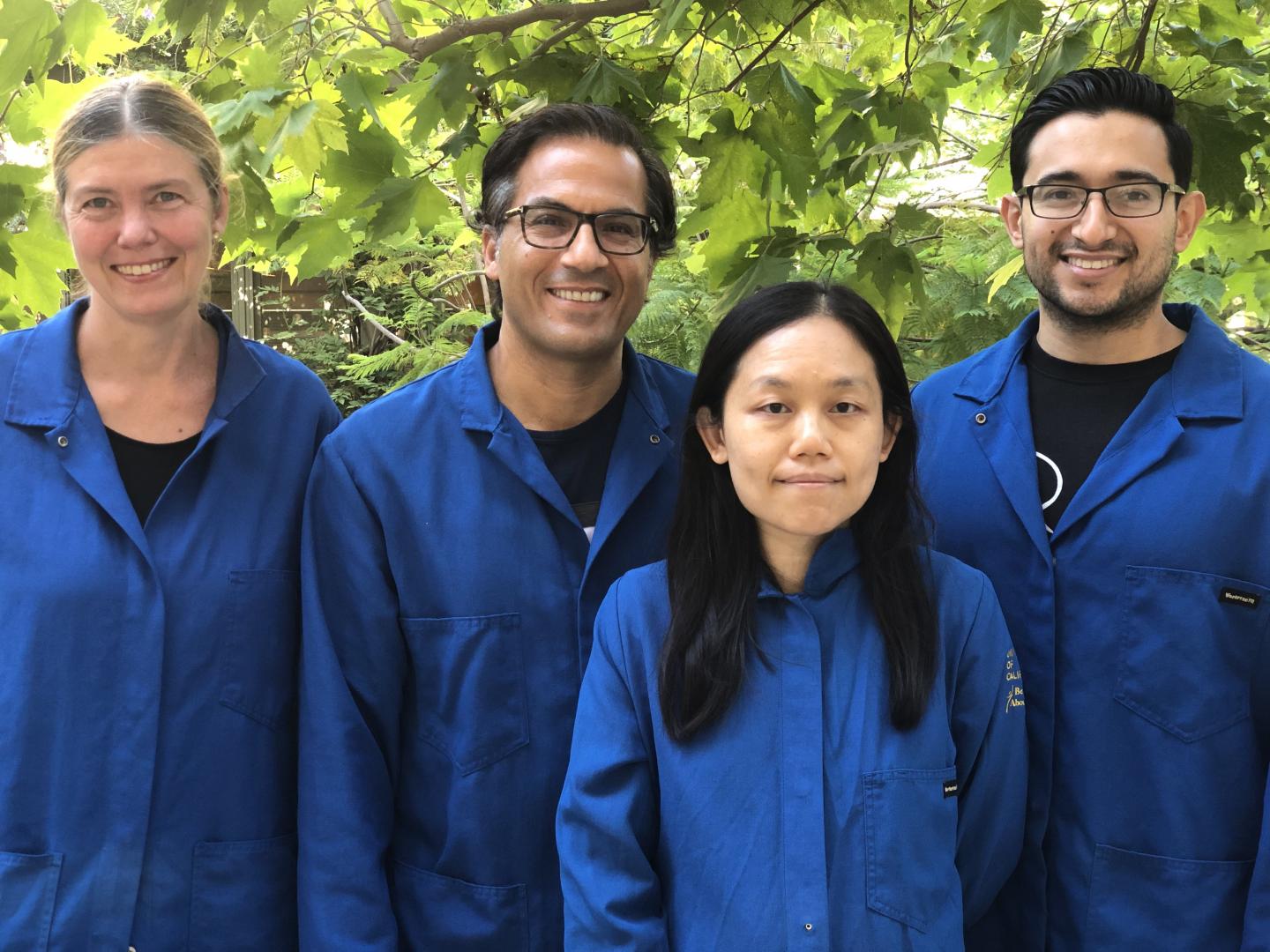
IMAGE

Credit: Kurdistani lab/UCLA

FINDINGS

UCLA scientists have identified a new function for histones, the spool-shaped proteins that regulate gene expression and serve as anchors for strands of DNA to wrap around.

The researchers discovered that histones act as an enzyme that catalyzes the transfer of electrons from a molecule to a metal, converting copper into a form that can be used by the cells.

The finding refutes earlier theories that copper in the body spontaneously converts into a form that cells can utilize. Instead, histones facilitate the use of copper in the presence of oxygen. This enables copper to reach its cellular destinations and protein targets, including proteins in mitochondria, the cell’s power source.

The absence of enzyme activity in histones impairs many cellular processes, such as mitochondrial respiration, which depends on copper to function.

METHOD

The scientists blended biochemistry and molecular biology approaches while using baker’s yeast as a model cell to show that histones bind to copper and convert it to a usable form. The team duplicated the experiment in a test tube and within living cells.

IMPACT

The study suggests that the presence of histones in an ancestor of eukaryotes — cells that contain a nucleus — played an essential role some 2 billion years ago in the evolution of history’s first eukaryotic cell, giving rise to a vast diversity of humans, animals, plants and fungi.

The new findings could deepen scientists’ understanding of the evolution of eukaryotes. Given the importance of chromatin and copper to human health, the UCLA discovery also could provide insights into how disease develops in a variety of human conditions, from cancer to mitochondrial diseases and neurodegenerative disorders.

###

AUTHORS

Siavash Kurdistani, chair of biological chemistry at the David Geffen School of Medicine at UCLA, led the study with first authors Narsis Attar (now at Massachusetts General Hospital), Oscar Campos and Maria Vogelauer.

JOURNAL

Science publishes the UCLA article on July 3.

FUNDING

The eight-year study was supported by grants from W. M. Keck Foundation, the National Institutes of Health, the Whitcome and the Amgen Scholars Program.

Media Contact
Elaine Schmidt
[email protected]

Related Journal Article

http://dx.doi.org/10.1126/science.aba8740

Tags: BiochemistryCell BiologyChemistry/Physics/Materials SciencesEndocrinologyGeneticsMedicine/HealthMetabolism/Metabolic Diseases
Share12Tweet8Share2ShareShareShare2

Related Posts

Florida Cane Toad: Complex Spread and Selective Evolution

Florida Cane Toad: Complex Spread and Selective Evolution

February 7, 2026
New Study Uncovers Mechanism Behind Burn Pit Particulate Matter–Induced Lung Inflammation

New Study Uncovers Mechanism Behind Burn Pit Particulate Matter–Induced Lung Inflammation

February 6, 2026

DeepBlastoid: Advancing Automated and Efficient Evaluation of Human Blastoids with Deep Learning

February 6, 2026

Navigating the Gut: The Role of Formic Acid in the Microbiome

February 6, 2026
Please login to join discussion

POPULAR NEWS

  • Robotic Ureteral Reconstruction: A Novel Approach

    Robotic Ureteral Reconstruction: A Novel Approach

    82 shares
    Share 33 Tweet 21
  • Digital Privacy: Health Data Control in Incarceration

    63 shares
    Share 25 Tweet 16
  • Study Reveals Lipid Accumulation in ME/CFS Cells

    57 shares
    Share 23 Tweet 14
  • Breakthrough in RNA Research Accelerates Medical Innovations Timeline

    53 shares
    Share 21 Tweet 13

About

We bring you the latest biotechnology news from best research centers and universities around the world. Check our website.

Follow us

Recent News

Phage-Antibiotic Combo Beats Resistant Peritoneal Infection

Boosting Remote Healthcare: Stepped-Wedge Trial Insights

Barriers and Boosters of Seniors’ Physical Activity in Karachi

Subscribe to Blog via Email

Enter your email address to subscribe to this blog and receive notifications of new posts by email.

Join 73 other subscribers
  • Contact Us

Bioengineer.org © Copyright 2023 All Rights Reserved.

Welcome Back!

Login to your account below

Forgotten Password?

Retrieve your password

Please enter your username or email address to reset your password.

Log In
No Result
View All Result
  • Homepages
    • Home Page 1
    • Home Page 2
  • News
  • National
  • Business
  • Health
  • Lifestyle
  • Science

Bioengineer.org © Copyright 2023 All Rights Reserved.