• HOME
  • NEWS
  • EXPLORE
    • CAREER
      • Companies
      • Jobs
    • EVENTS
    • iGEM
      • News
      • Team
    • PHOTOS
    • VIDEO
    • WIKI
  • BLOG
  • COMMUNITY
    • FACEBOOK
    • INSTAGRAM
    • TWITTER
Wednesday, April 1, 2026
BIOENGINEER.ORG
No Result
View All Result
  • Login
  • HOME
  • NEWS
  • EXPLORE
    • CAREER
      • Companies
      • Jobs
        • Lecturer
        • PhD Studentship
        • Postdoc
        • Research Assistant
    • EVENTS
    • iGEM
      • News
      • Team
    • PHOTOS
    • VIDEO
    • WIKI
  • BLOG
  • COMMUNITY
    • FACEBOOK
    • INSTAGRAM
    • TWITTER
  • HOME
  • NEWS
  • EXPLORE
    • CAREER
      • Companies
      • Jobs
        • Lecturer
        • PhD Studentship
        • Postdoc
        • Research Assistant
    • EVENTS
    • iGEM
      • News
      • Team
    • PHOTOS
    • VIDEO
    • WIKI
  • BLOG
  • COMMUNITY
    • FACEBOOK
    • INSTAGRAM
    • TWITTER
No Result
View All Result
Bioengineer.org
No Result
View All Result
Home NEWS Science News Health

Chemotherapy/immunotherapy combo shows promise for first-line treatment of mesothelioma

Bioengineer by Bioengineer
June 11, 2020
in Health
Reading Time: 2 mins read
0
IMAGE
Share on FacebookShare on TwitterShare on LinkedinShare on RedditShare on Telegram

IMAGE

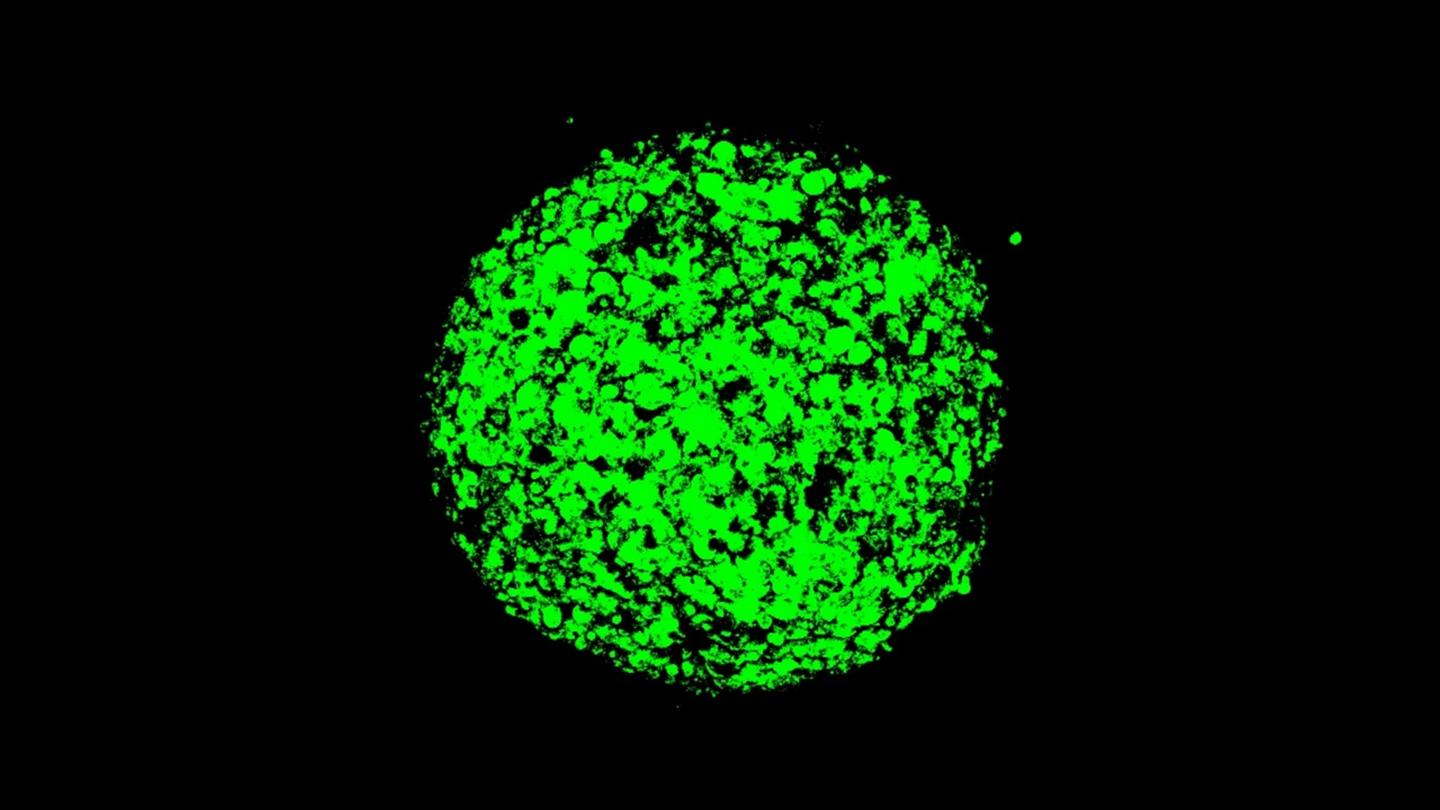
Credit: National Cancer Institute, National Institutes of Health

Inoperable malignant pleural mesothelioma, is a rare and aggressive cancer of the protective lining of the lungs, or pleura, often caused by exposure to asbestos. At the annual meeting of the American Society of Clinical Oncology (ASCO), held virtually from May 29-31, 2020, a researcher from the Johns Hopkins Kimmel Cancer Center presented findings from a multicenter study that evaluated the efficacy of an immunotherapy-plus-chemotherapy combination for the disease.

According to Patrick Forde, M.B.B.Ch., associate professor of oncology at the Johns Hopkins University School of Medicine, director of the Kimmel Center’s thoracic cancer clinical research program and a Bloomberg~Kimmel Institute for Cancer Immunotherapy investigator, the study looked at 55 patients from 15 U.S. cancer centers who received the immunotherapy drug durvalumab in combination with two anticancer chemotherapies — cisplatin and pemetrexed — to create a novel first-line treatment.

Patients received six treatments of the combination therapy every three weeks, followed by treatment with durvalumab alone, for up to one year in total. The chemo-immunotherapy combination improved overall survival to 20.4 months from the historically expected survival of 12 months with chemotherapy alone. This is the first study to show survival times exceeding 20 months for patients with inoperable mesothelioma. The treatment was well-tolerated overall, with no unexpected side effects reported.

“Inflammation is key to the development of pleural mesothelioma and, as such, it represents a key target for immunotherapy. This, in addition to earlier studies that showed promising results using the same immunotherapy drug in previously treated cases, led us to study the combination,” says Forde. “Because of the promising results, we are in the process of starting a phase 3 study to confirm the benefit of this approach.” This study will begin accruing patients across the United States and Australia in late 2020.

The researchers studied tissue samples from patients who received the combination therapy and found that it prevented a protein called PD-L1 from forming a “protective armor” around cancer cells. The researchers say that’s because immunotherapies known as checkpoint blockers, such as durvalumab, act against PD-L1 and therefore, disrupt a cancer cell’s ability to avoid detection and destruction by immune cells.

###

Media Contact
Valerie Mehl
[email protected]

Tags: cancerMedicine/Health
Share12Tweet8Share2ShareShareShare2

Related Posts

Dorsoventral Hippocampus Reactivates After Aversive Sleep

April 1, 2026

ALDH1L2 Controls ROS and Pancreatic Cell Changes

April 1, 2026

Tim-3 Agonist Limits ILC2, Eases Airway Reactivity

April 1, 2026

Phages Modify Cytosine via Hydroxylation and Arabinofuranosylation

April 1, 2026
Please login to join discussion

POPULAR NEWS

  • blank

    Revolutionary AI Model Enhances Precision in Detecting Food Contamination

    96 shares
    Share 38 Tweet 24
  • Imagine a Social Media Feed That Challenges Your Views Instead of Reinforcing Them

    1006 shares
    Share 398 Tweet 249
  • Promising Outcomes from First Clinical Trials of Gene Regulation in Epilepsy

    51 shares
    Share 20 Tweet 13
  • Popular Anti-Aging Compound Linked to Damage in Corpus Callosum, Study Finds

    43 shares
    Share 17 Tweet 11

About

We bring you the latest biotechnology news from best research centers and universities around the world. Check our website.

Follow us

Recent News

Dorsoventral Hippocampus Reactivates After Aversive Sleep

ALDH1L2 Controls ROS and Pancreatic Cell Changes

Tim-3 Agonist Limits ILC2, Eases Airway Reactivity

Subscribe to Blog via Email

Enter your email address to subscribe to this blog and receive notifications of new posts by email.

Join 78 other subscribers
  • Contact Us

Bioengineer.org © Copyright 2023 All Rights Reserved.

Welcome Back!

Login to your account below

Forgotten Password?

Retrieve your password

Please enter your username or email address to reset your password.

Log In
No Result
View All Result
  • Homepages
    • Home Page 1
    • Home Page 2
  • News
  • National
  • Business
  • Health
  • Lifestyle
  • Science

Bioengineer.org © Copyright 2023 All Rights Reserved.