Clinical research and Indigenous knowledge models will help team gather first evidence of effects of cannabis on Indigenous peoples of Canada
Credit: Katia Taylor
A multidisciplinary team from the University of Toronto, with experts from the Faculty of Dentistry and the Waakebiness-Bryce Institute for Indigenous Health at the Dalla Lana School of Public Health have been awarded a five year, $1.5 million grant from the Canadian Institutes of Health Research to study the impact of cannabis use on the oral health of Indigenous populations.
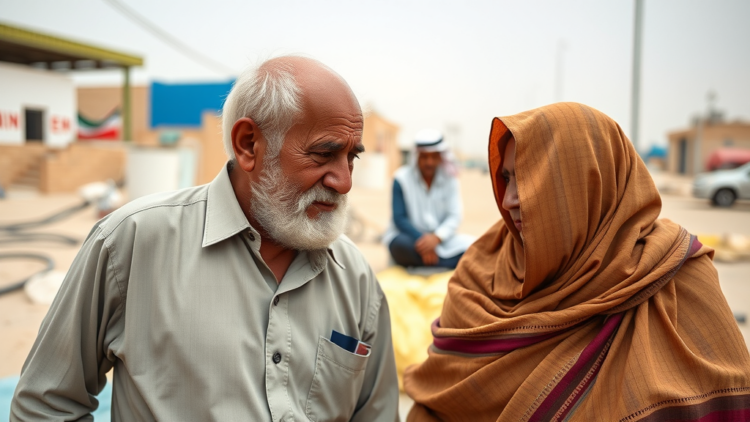
The researchers will work in partnership with Indigenous communities and public health authorities, including Norway House Cree Nation (Kinosao Sipi Cree Nation) in northern Manitoba; the Weeneebayko Area Health Authority (WAHA), with the First Nations of Moose Factory, Fort Albany, Attawapiskat, Weenusk (Peawanuck), and Kashechewan, and the town of Moosonee in northern Ontario; and Alberta Health Services (AHS) in Calgary, Alberta.
Over the course of the study, participants will be monitored for changes in their oral health and oral microbiome, including inflammation of the oral mucosa and periodontal tissues and the development of pre-cancerous lesions and cancers of the mouth, head and neck, and changes in oral and facial sensory function.
DISPROPORTIONATE BURDEN OF DISEASE
The CIHR study aims to provide first evidence of the oral health risks associated with cannabis use in Canada’s Indigenous populations, which already experience a disproportionate burden of oral disease. Legalized just two years ago, studies have shown that there are oral health risks associated with cannabis in users, including an increase in periodontal diseases. Indigenous leaders and public health experts have expressed concerns regarding the escalated risks in these vulnerable communities.
“Indigenous people are resilient. Cannabis is one issue that has been discussed in many First Nations communities and how it affects the community,” says Angela Mashford-Pringle, assistant professor and associate director of the Waakebiness-Bryce Institute for Indigenous Health (WBIIH) at the University of Toronto’s Dalla Lana School of Public Health and co-principal investigator of the grant. “There is a need to understand the dental and health effects of cannabis for First Nations communities.”
“Knowing how big an impact the use of cannabis has on oral health indicators among the Indigenous population will be critical towards the development of new policies and guidelines in prevention and treatment of oral diseases,” says Siew-Ging Gong, associate professor at the University of Toronto’s Faculty of Dentistry and a co-principal investigator of the grant.
INDIGENOUS LEARNING CIRCLE MODEL
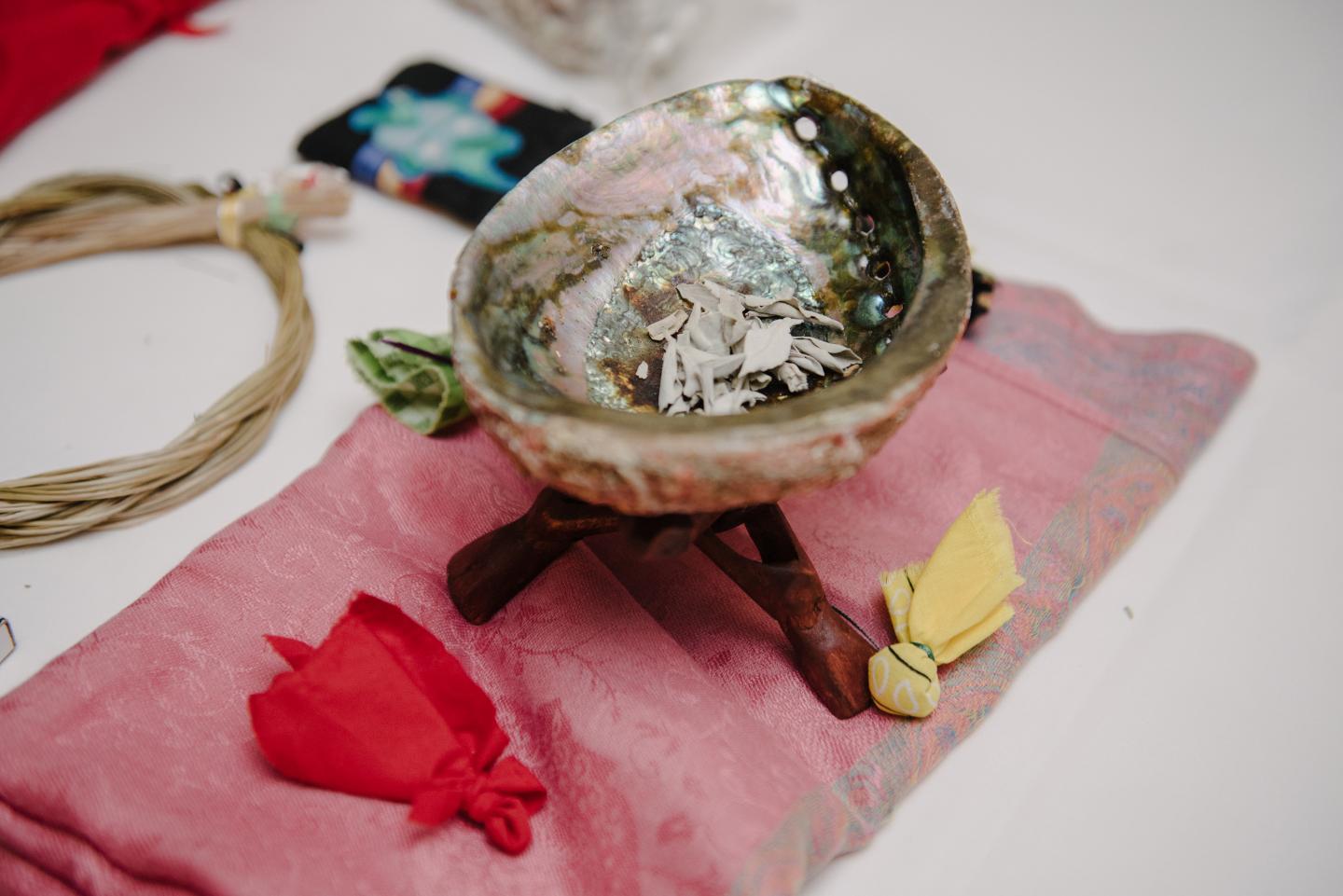
The study also hopes to raise awareness in these communities of the impact of cannabis on oral health, and to do so in culturally appropriate, Indigenous-focused ways. The team will use what’s known as the Learning Circle model, in which Elders and other community members share their knowledge.
“The Learning Circle utilizes the First Nations Principles of OCAP, which stands for First Nations’ Ownership, Control, Access and Possession of data and data collection processes in their communities,” says Herenia Lawrence, associate professor at the Faculty of Dentistry and principal investigator of the grant.
With an emphasis on oral transmission of knowledge rooted within Indigenous communities and their values, the researchers hope to create respectful health research relationships that can have long-lasting impact on Indigenous communities’ health.
Adds Lawrence, “The Circles will allow us to evaluate the research outcomes through the lens of the community.”
UNIVERSITY OF TORONTO INVESTIGATORS
Herenia Lawrence, associate professor, Faculty of Dentistry (project lead)
Iacopo Cioffi, assistant professor, Faculty of Dentistry
Siew-Ging Gong, associate professor, Faculty of Dentistry
Jose Lança, assistant professor, Faculty of Dentistry
Celine Levesque, associate professor and Canada Research Chair in Oral Microbial Genetics, Faculty of Dentistry
Marco Magalhaes, assistant professor, Faculty of Dentistry
Angela Mashford-Pringle, associate professor, associate director of the Waakebiness-Bryce Institute for Indigenous Health (WBIIH), Dalla Lana School of Public Health
###
Media Contact
Erin Vollick
[email protected]