Credit: Marcin Minor
Biomedical scientists working with COVID-19 have a new tool to help them better understand the virus and feel confident about the structural models they are using in their research.
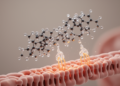
Wladek Minor, PhD, of the University of Virginia School of Medicine, and other top structural biologists have led an international team of scientists to investigate the protein structures contained in the virus – structures that are vital to developing treatments and vaccines. The team has created a Web resource that provides scientists an easy way to see the progress of the structural biology community in this area. It also includes the team’s assessment of the quality of the individual models and enhanced versions of these structures, when possible.
“We have carefully analyzed the available models of SARS-CoV-2 proteins and present the results with the aim of helping the broad biomedical community. Structural models are ultimately the interpretation of the original researchers and sometimes are suboptimal. This is why a second set of eyes to validate important structures is so crucial,” said Minor, of UVA’s Department of Molecular Physiology and Biological Physics. “In most cases, only minor corrections could be suggested. However, in several cases, the revisions were significant, especially in the sensitive area of protein-ligand complexes that are critical for follow-up research, like drug discovery work. The current health crisis demands that all SARS-CoV-2 structures are of the highest quality possible.”
Science at Lightning Speed
When the threat of the coronavirus became apparent, scientists worldwide responded at an unprecedented pace to determine the atomic structure of the virus and its protein constituents.
Researchers are using the resulting structural models in a variety of applications, ranging from structure-based drug design to planning a range of biomedical experiments. For that reason, it is essential that the atomic models are as accurate as possible. Because of the urgency of the pandemic, most of these structures are deposited in the Protein Data Bank (PDB), a global repository of macromolecular structures, before publication and peer review.
The members of the team, who are experts in structure validation and interpretation, noticed opportunities to improve several SARS-CoV-2 models using state-of-the-art refinement approaches. That led them to create the new web resource. It is updated with new structures weekly, in sync with the PDB.
In some cases, the team has worked with the researchers who generated the original structure to ensure that the site contains the most accurate models. This team has longstanding experience in correcting biomedically important structural models – for instance, in the field of antibiotic resistance.
“Working on a project driven by strong international collaborations is an enormous opportunity for younger scientists, like Ivan Shabalin and Dariusz Brzezinski, who will undoubtedly lead other highly impactful studies in the near future,” Minor said.
“It is extremely rewarding to be able to add my expertise to a project that has the potential to make an immense impact on the lives of millions of people,” Shabalin said.
###
COVID-19 Resource
The team has described the new resource in a free access article published in the FEBS Journal.
Project collaborators include Alexander Wlodawer, of the National Cancer Institute (NCI); Zbigniew Dauter, of the NCI & Argonne National Laboratory; Shabalin, of UVA; Miroslaw Gilski, of A. Mickiewicz University (AMU) & Institute of Bioorganic Chemistry (IBCH), Polish Academy of Sciences; Brzezinski, of the Poznan University of Technology & IBCH, Poland, and UVA; Marcin Kowiel, of IBCH; Bernhard Rupp, of k.k. Hofkristallamt USA and Medical University Innsbruck, Austria; and Mariusz Jaskolski of AMU and IBCH.
The work was supported by the National Institutes of Health’s National Cancer Institute, Center for Cancer Research, grant R01-GM132595; the National Institute of Allergy and Infectious Diseases, contract HHSN272201700060C; the Polish National Agency for Academic Exchange, grant No. PPN/BEK/2018/1/00058/U/00001 and the Austrian Science Foundation.
To keep up with the latest medical research news from UVA, subscribe to the Making of Medicine blog at http://makingofmedicine.
Media Contact
Josh Barney
jdb9a@virginia.edu
Original Source
https:/
Related Journal Article
http://dx.