• HOME
  • NEWS
  • EXPLORE
    • CAREER
      • Companies
      • Jobs
    • EVENTS
    • iGEM
      • News
      • Team
    • PHOTOS
    • VIDEO
    • WIKI
  • BLOG
  • COMMUNITY
    • FACEBOOK
    • INSTAGRAM
    • TWITTER
Monday, May 18, 2026
BIOENGINEER.ORG
No Result
View All Result
  • Login
  • HOME
  • NEWS
  • EXPLORE
    • CAREER
      • Companies
      • Jobs
        • Lecturer
        • PhD Studentship
        • Postdoc
        • Research Assistant
    • EVENTS
    • iGEM
      • News
      • Team
    • PHOTOS
    • VIDEO
    • WIKI
  • BLOG
  • COMMUNITY
    • FACEBOOK
    • INSTAGRAM
    • TWITTER
  • HOME
  • NEWS
  • EXPLORE
    • CAREER
      • Companies
      • Jobs
        • Lecturer
        • PhD Studentship
        • Postdoc
        • Research Assistant
    • EVENTS
    • iGEM
      • News
      • Team
    • PHOTOS
    • VIDEO
    • WIKI
  • BLOG
  • COMMUNITY
    • FACEBOOK
    • INSTAGRAM
    • TWITTER
No Result
View All Result
Bioengineer.org
No Result
View All Result
Home NEWS Science News Health

A better model for neutrophil-related diseases

Bioengineer by Bioengineer
June 2, 2020
in Health
Reading Time: 2 mins read
0
IMAGE
Share on FacebookShare on TwitterShare on LinkedinShare on RedditShare on Telegram

IMAGE

Credit: Etienne Meylan, EPFL


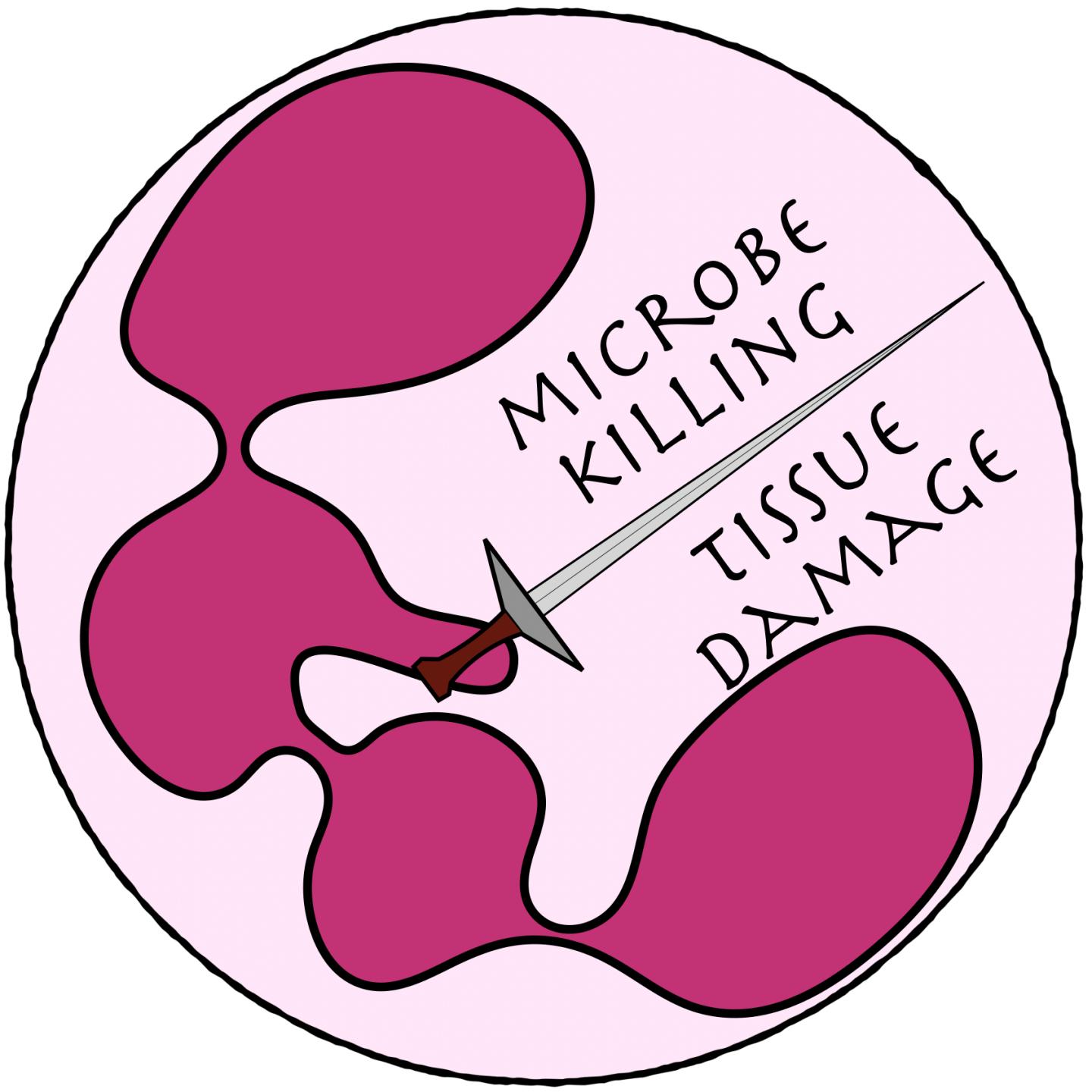
As the COVID-19 pandemic continues to spread, researchers are turning their attention to the virus’ biology, mechanism of action, and possible treatments. One of the targets are a group of immune cells called “neutrophils”, which have been reported to infiltrate the respiratory tract of patients who have died from COVID-19.

The idea is that in their attempt to attack the virus, neutrophils might be making the disease’s symptoms even worse by invading the lungs and exacerbating inflammation there. In order to find out if this is actually the case, scientists may use a mouse model whose neutrophils they deplete with “anti-neutrophil” antibodies.

The approach is used widely for studying neutrophils in a number of different conditions, including autoimmune diseases, chronic infection or inflammation, wound healing, and even some types of cancer. However, the neutrophil-depletion model is only partially effective, lacks specificity, and doesn’t last long enough.

Now, scientists led by Etienne Meylan at EPFL, have identified the source of the problem and have developed an alternative model that addresses its shortcomings. The work is published in Nature Communications.

By attempting to deplete neutrophils in mice, the animals’ bone marrow produces new neutrophils – which defeats the model’s entire purpose. The researchers have now identified these neutrophils, and determined that the reason they survive is because they have a lower chance of being targeted by the antibodies.

To address this, the scientists have developed a double antibody depletion strategy that enhances neutrophil elimination. The method increases the killing rate of the antibodies, resulting in a profound, specific and long-lasting reduction in neutrophil numbers in blood and tissues.

“Our study could be useful to address the functional importance of neutrophils in acute or chronic infection, in inflammation or in cancer,” says Meylan. “In particular, transgenic mouse models of SARS-CoV-2 infection coupled to our standardized neutrophil depletion strategies may help establish a causal link between this innate immune cell type and COVID-19.”

###

Other contributors

Lausanne University Hospital (CHUV)

Swiss Cancer Center Léman

INSERM, France

Massachusetts General Hospital Research Institute

University Duisburg-Essen

Reference

Gael Boivin, Julien Faget, Pierre-Benoit Ancey, Aspasia Gkasti, Julie Mussard, Camilla Engblom, Christina Pfirschke, Caroline Contat, Justine Pascual, Jessica Vazquez, Nathalie Bendriss-Vermare, Christophe Caux, Marie-Catherine Vozenin, Mikael J. Pittet, Matthias Gunzer, Etienne Meylan. Durable and controlled depletion of neutrophils in mice. Nature Communications 02 June 2020. DOI: 10.1038/s41467-020-16596-9

Media Contact
Nik Papageorgiou
[email protected]

Related Journal Article

http://dx.doi.org/10.1038/s41467-020-16596-9

Tags: BiologyBiomedical/Environmental/Chemical EngineeringBiotechnologyCell BiologyImmunology/Allergies/AsthmaMolecular Biology
Share12Tweet8Share2ShareShareShare2

Related Posts

Gut Microbiome Nitrogen Shift Boosts Ulcerative Colitis Treatment

May 18, 2026

AI Enhances Quality Control of Schistosomiasis Tests

May 18, 2026

New Survey Finds Just One-Third of Teens Have Private Healthcare Consultations, According to Parents

May 18, 2026

AI Tool in Radiotherapy Advances Global Fight to Eradicate Cervical Cancer

May 18, 2026
Please login to join discussion

POPULAR NEWS

  • Research Indicates Potential Connection Between Prenatal Medication Exposure and Elevated Autism Risk

    844 shares
    Share 338 Tweet 211
  • New Study Reveals Plants Can Detect the Sound of Rain

    731 shares
    Share 292 Tweet 182
  • Salmonella Haem Blocks Macrophages, Boosts Infection

    62 shares
    Share 25 Tweet 16
  • Breastmilk Balances E. coli and Beneficial Bacteria in Infant Gut Microbiomes

    58 shares
    Share 23 Tweet 15

About

We bring you the latest biotechnology news from best research centers and universities around the world. Check our website.

Follow us

Recent News

Controlling Surrounding Rock Failure in Coal Pillar Retreats

Gut Microbiome Nitrogen Shift Boosts Ulcerative Colitis Treatment

Sharpening Our View of Bacteria

Subscribe to Blog via Email

Enter your email address to subscribe to this blog and receive notifications of new posts by email.

Join 82 other subscribers
  • Contact Us

Bioengineer.org © Copyright 2023 All Rights Reserved.

Welcome Back!

Login to your account below

Forgotten Password?

Retrieve your password

Please enter your username or email address to reset your password.

Log In
No Result
View All Result
  • Homepages
    • Home Page 1
    • Home Page 2
  • News
  • National
  • Business
  • Health
  • Lifestyle
  • Science

Bioengineer.org © Copyright 2023 All Rights Reserved.