• HOME
  • NEWS
  • EXPLORE
    • CAREER
      • Companies
      • Jobs
    • EVENTS
    • iGEM
      • News
      • Team
    • PHOTOS
    • VIDEO
    • WIKI
  • BLOG
  • COMMUNITY
    • FACEBOOK
    • INSTAGRAM
    • TWITTER
Sunday, December 28, 2025
BIOENGINEER.ORG
No Result
View All Result
  • Login
  • HOME
  • NEWS
  • EXPLORE
    • CAREER
      • Companies
      • Jobs
        • Lecturer
        • PhD Studentship
        • Postdoc
        • Research Assistant
    • EVENTS
    • iGEM
      • News
      • Team
    • PHOTOS
    • VIDEO
    • WIKI
  • BLOG
  • COMMUNITY
    • FACEBOOK
    • INSTAGRAM
    • TWITTER
  • HOME
  • NEWS
  • EXPLORE
    • CAREER
      • Companies
      • Jobs
        • Lecturer
        • PhD Studentship
        • Postdoc
        • Research Assistant
    • EVENTS
    • iGEM
      • News
      • Team
    • PHOTOS
    • VIDEO
    • WIKI
  • BLOG
  • COMMUNITY
    • FACEBOOK
    • INSTAGRAM
    • TWITTER
No Result
View All Result
Bioengineer.org
No Result
View All Result
Home NEWS Science News Biology

Conservation goals may be stymied by a lack of land for biodiversity offsetting

Bioengineer by Bioengineer
April 29, 2020
in Biology
Reading Time: 2 mins read
0
IMAGE
Share on FacebookShare on TwitterShare on LinkedinShare on RedditShare on Telegram

IMAGE

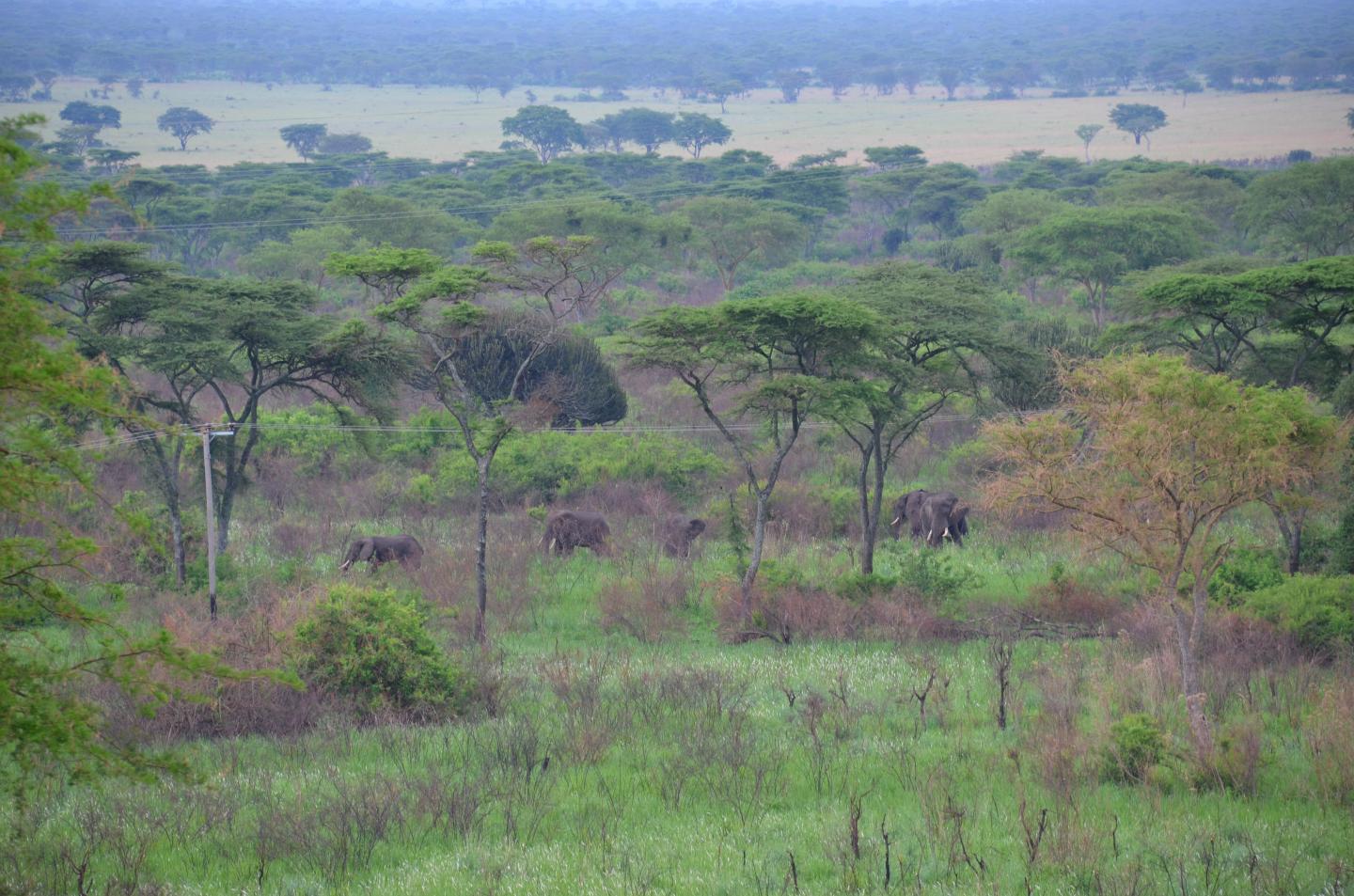
Credit: Dr Laura Sonter

Developers may struggle to find enough land to offset the biodiversity impacts of future development, according to a University of Queensland study.

UQ’s Dr Laura Sonter said the challenges were evident worldwide and could significantly limit the ability to achieve global conservation goals.

“Most countries now have offsetting policies requiring developers to revegetate or protect areas of habitat and ecosystems, to compensate for biodiversity losses caused by their projects,” Dr Sonter said.

“When these activities create as much biodiversity as that lost to development, the offsets are said to achieve no net loss of biodiversity.

“The problem is that in many cases, there simply is not enough land to completely offset the huge biodiversity losses expected from expected future development.

“For example, in East Kalimantan, Indonesia, twice the amount of land that is currently available for revegetation would be required to compensate for losses from proposed developments, in order to achieve no net loss of biodiversity – and we found similar results in Mozambique and Brazil.

“For places like these, it is inevitable that development will result in an overall loss of biodiversity, because land availability constraints make no net biodiversity loss impossible to achieve.”

Dr Sonter said, as offsetting policies become stricter, some policies require more conservation for every unit of biodiversity lost, meaning that even more land is required.

“Other policies limit conservation activities to already rare habitats to prevent extinctions, so they rapidly run out of land for offsetting,” she said.

Professor Martine Maron said the findings have implications for reconciling development with crucial global biodiversity conservation goals.

“If offsetting policies are strictly enforced and countries run out of land for these activities, any new proposed development projects will not be permitted, potentially slowing global biodiversity losses,” Professor Maron said.

“The more likely scenario is that if land availability becomes a constraint, then offsetting requirements will be relaxed, enabling development with less compensation, and biodiversity losses will soar.

“This detracts from broad conservation goals, and particularly, a move towards ‘global no net loss of ecosystems’, which nations of the world are looking to commit to under the Convention on Biological Diversity.”

Dr Sonter said there are two ways forward but avoiding biodiversity losses is key.

“The consequences of offset failure for rare species and habitats that have limited opportunities for offsetting are disproportionally large, and include near-certain extinction.

“However, since development is essential in many instances, we recommend governments explicitly account for land availability constraints in their offset policies and making decisions about projects.

“A key step forward in addressing these challenges is designing offset policies so that they are directly linked to national biodiversity goals.”

###

The study is published in Nature Communications (DOI: 10.1038/s41467-020-15861-1).

Media Contact
Laura Sonter
[email protected]

Related Journal Article

http://dx.doi.org/10.1038/s41467-020-15861-1

Tags: BiodiversityBiologyClimate ChangeEarth ScienceEcology/EnvironmentForestry
Share12Tweet8Share2ShareShareShare2

Related Posts

blank

New Nuclei Isolation Unveils Litopenaeus vannamei Cell Atlas

December 28, 2025
blank

Unlocking Rice Quality: GWAS Sheds Light on Traits

December 28, 2025

Chloroplast Genome of Ecklonia maxima: A Comparative Study

December 27, 2025

Tissue-Specific Gene Expression Variance in Mice

December 27, 2025
Please login to join discussion

POPULAR NEWS

  • Robotic Waist Tether for Research Into Metabolic Cost of Walking

    NSF funds machine-learning research at UNO and UNL to study energy requirements of walking in older adults

    71 shares
    Share 28 Tweet 18
  • Nurses’ Views on Online Learning: Effects on Performance

    70 shares
    Share 28 Tweet 18
  • Exploring Audiology Accessibility in Johannesburg, South Africa

    51 shares
    Share 20 Tweet 13
  • SARS-CoV-2 Subvariants Affect Outcomes in Elderly Hip Fractures

    44 shares
    Share 18 Tweet 11

About

We bring you the latest biotechnology news from best research centers and universities around the world. Check our website.

Follow us

Recent News

Nurses Navigate Ethical Dilemmas in Home Care

COVID-19 Vaccine Hesitancy in Older Chinese Adults

Macrophages Induce Death in Cancer Cells Through IL-18

Subscribe to Blog via Email

Enter your email address to subscribe to this blog and receive notifications of new posts by email.

Join 71 other subscribers
  • Contact Us

Bioengineer.org © Copyright 2023 All Rights Reserved.

Welcome Back!

Login to your account below

Forgotten Password?

Retrieve your password

Please enter your username or email address to reset your password.

Log In
No Result
View All Result
  • Homepages
    • Home Page 1
    • Home Page 2
  • News
  • National
  • Business
  • Health
  • Lifestyle
  • Science

Bioengineer.org © Copyright 2023 All Rights Reserved.