Global research collaboration publishes detailed catalogue of DNA fingerprints of cancer-causing mutations
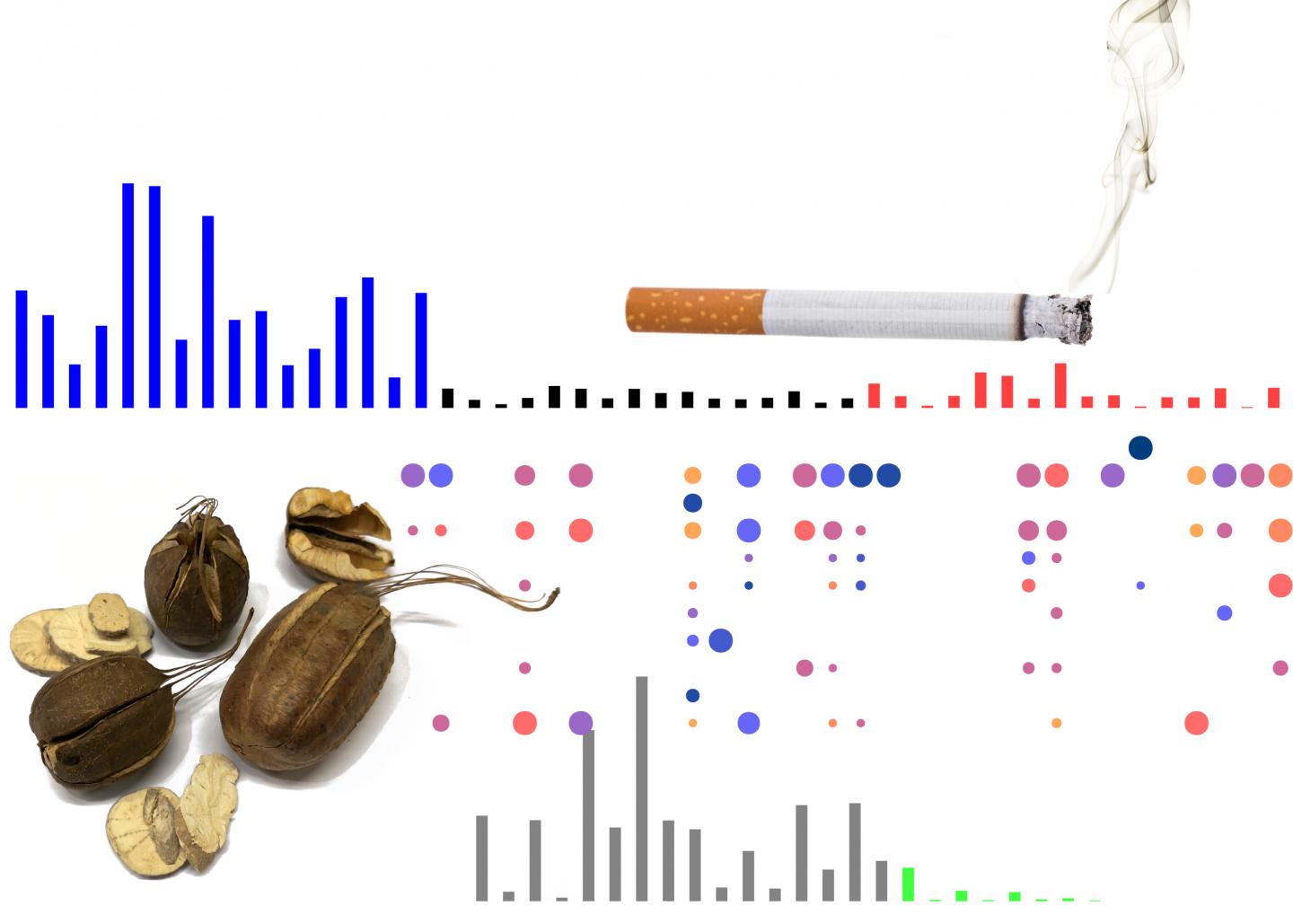
Credit: Steven G. Rozen, PhD
Singapore, 6 February 2020 – Cancer is the leading cause of death in Singapore and the second leading cause of death around the world, implicated in about one in six deaths globally. An international consortium of scientists has now identified 81 mutational ‘signatures’ that could help reveal the origins and development of various types of cancer, and inform new strategies to prevent, diagnose and treat the disease.
Published in the journal Nature, the study by researchers from Duke-NUS Medical School in Singapore, the Wellcome Sanger Institute in the UK, the University of California San Diego School of Medicine in the USA, and their collaborators around the world is part of a decade-long Pan-Cancer Project aimed at comprehensively analysing whole cancer genomes.
“Different kinds of DNA copying problems and mutation-causing agents, like tobacco, UV light, and chemotherapeutic drugs, lead to mutations with recognisable fingerprints, which we call mutational signatures,” explained Professor Steven Rozen, a senior author of the study from the Cancer and Stem Cell Biology Programme at Duke-NUS Medical School in Singapore.
These signatures can provide a snapshot of a cell’s life history and insight into factors that have mutated the cell’s genetic material. Understanding the role these mutations play in cancer development can help advance research into prevention, diagnosis and treatment.
The research was part of the Pan-Cancer Project, a massive international effort to establish the most comprehensive map of primary cancer genomes to date, involving more than 1,300 scientists and clinicians from 37 countries. For this particular study, the researchers used machine learning to computationally mine mutation data from almost 24,000 human cancer samples. The large data set allowed them to identify 81 different mutational signatures.
Some of the signatures represented fingerprints of known mutation-causing agents. For example, signature SBS4 involves a specific combination of ‘single base substitutions’, in which mutations cause the replacement of a nucleic acid base, the building block of DNA, with another. Lung cancer samples have a strong SBS4 signature, indicating that this particular one is associated with tobacco smoking.
“This study presents a fundamental resource that will tie in with experimental studies to open new doors for understanding the causes of cancer,” said Prof Rozen, who is also Director of Duke-NUS’ Centre for Computational Biology. “This will illuminate new opportunities for cancer prevention, or help screen exposed individuals more intensively. The results will also help us understand in more detail how exposure to mutation-causing agents leads to cancer.”
Prof Mike Stratton, a senior author of the study and Director of the Wellcome Sanger Institute in the UK, said, “Using our detailed catalogue of the range of mutational signatures in cancer DNA, researchers worldwide will now be able to investigate which chemicals or processes are linked to these signatures. This will increase our understanding of how cancer develops, and discover new causes of cancer, helping to inform public health strategies to prevent cancer.”
Prof Patrick Casey, Senior Vice Dean for Research at Duke-NUS, commented, “In Singapore, cancer is the leading cause of death, and it has significant societal and economic impact on patients and their families, as well as the healthcare system. We are truly encouraged by this important achievement by Prof Rozen and his collaborators, and look forward to the advances in cancer treatment and patient care their findings unlock.”
Prof Rozen and his team next plan to study the mutational signature caused by aristolochic acid, a naturally occurring chemical found in the plant family known as birthworts, which are used in herbal medicine in Asia and worldwide. This mutational signature is found in urinary tract and liver cancers throughout East Asia. Further studies on this mutational signature could lead to tests that could help determine who has been exposed to aristolochic acid and help clarify if cancers caused by it require a unique treatment approach.
Prof Rozen shared that scientists will also need to study a more geographically diverse data set of cancer genomes, as the current data set was mainly from Europe and North America. “We simply have no idea if there are substantial exposures to unknown mutation-causing agents in other parts of the world,” he stated.
The research findings were published as part of a special edition of Nature and affiliated publications featuring 23 papers from the Pan-Cancer Project, which is coordinated by the International Cancer Genome Consortium and The Cancer Genome Atlas.
###
Media Contact
Federico Graciano
[email protected]
656-601-3272
Original Source
https:/
Related Journal Article
http://dx.