• HOME
  • NEWS
  • EXPLORE
    • CAREER
      • Companies
      • Jobs
    • EVENTS
    • iGEM
      • News
      • Team
    • PHOTOS
    • VIDEO
    • WIKI
  • BLOG
  • COMMUNITY
    • FACEBOOK
    • INSTAGRAM
    • TWITTER
Saturday, February 7, 2026
BIOENGINEER.ORG
No Result
View All Result
  • Login
  • HOME
  • NEWS
  • EXPLORE
    • CAREER
      • Companies
      • Jobs
        • Lecturer
        • PhD Studentship
        • Postdoc
        • Research Assistant
    • EVENTS
    • iGEM
      • News
      • Team
    • PHOTOS
    • VIDEO
    • WIKI
  • BLOG
  • COMMUNITY
    • FACEBOOK
    • INSTAGRAM
    • TWITTER
  • HOME
  • NEWS
  • EXPLORE
    • CAREER
      • Companies
      • Jobs
        • Lecturer
        • PhD Studentship
        • Postdoc
        • Research Assistant
    • EVENTS
    • iGEM
      • News
      • Team
    • PHOTOS
    • VIDEO
    • WIKI
  • BLOG
  • COMMUNITY
    • FACEBOOK
    • INSTAGRAM
    • TWITTER
No Result
View All Result
Bioengineer.org
No Result
View All Result
Home NEWS Science News Health

Tougher start could help captive-bred game birds

Bioengineer by Bioengineer
January 29, 2020
in Health
Reading Time: 3 mins read
0
IMAGE
Share on FacebookShare on TwitterShare on LinkedinShare on RedditShare on Telegram

IMAGE

Credit: Martin Clay


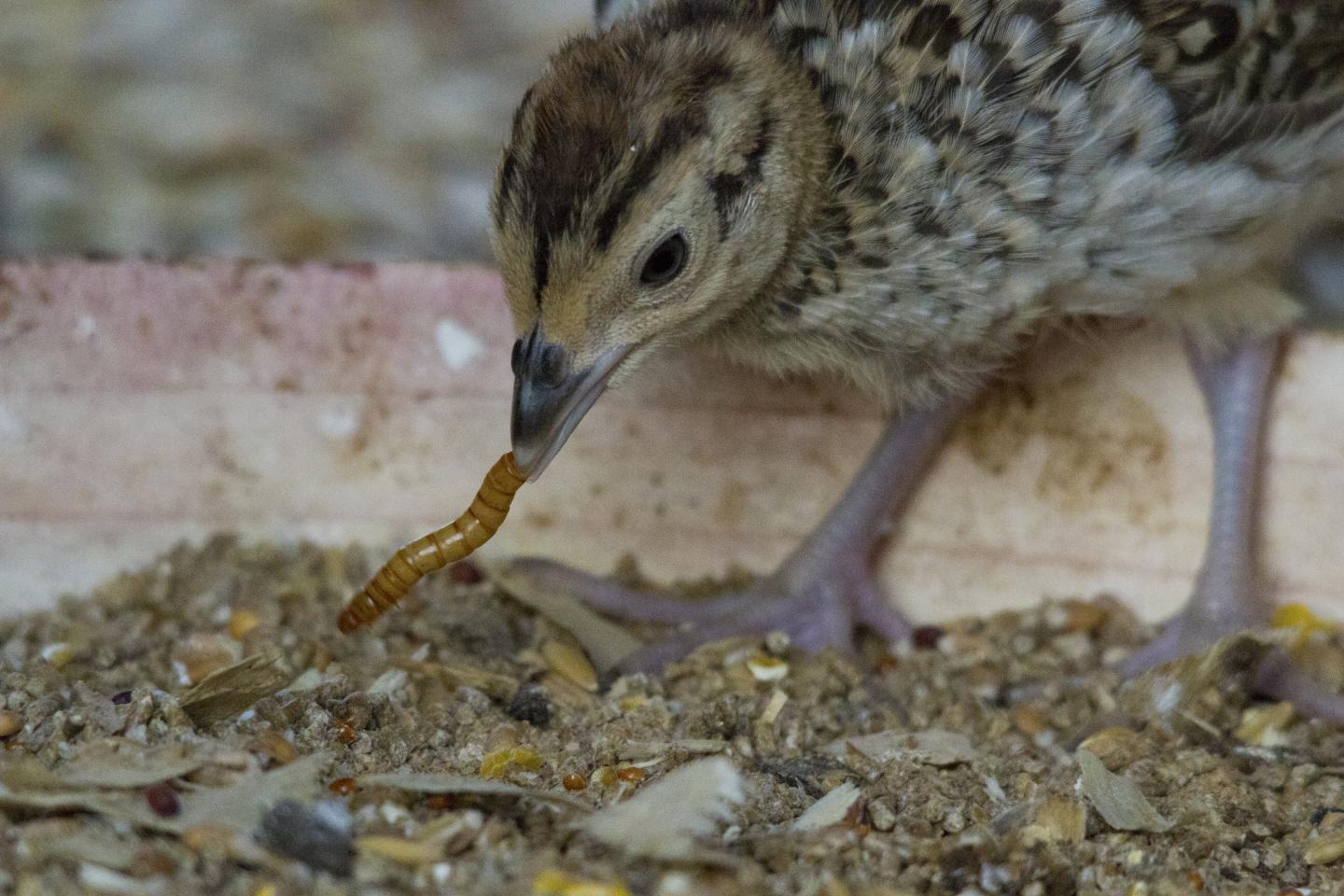
Tougher early lives could help captive-bred game birds develop survival skills for adulthood in the wild, new research suggests.

Captive-bred pheasants and partridges start life in unnatural conditions, in sheds and pens with no adult birds, more densely packed and eating different food than they would in the wild.

They may grow well and avoid disease and predators for the first six to eight weeks, but then they are released into the wild – and they may be unprepared for this dramatic change in their living conditions.

University of Exeter scientists, working with Dr Francesco Santilli from the Italian Hunting Federation, say the current approach may be cruel while trying to be kind.

They say a “careful balance” is needed between conditions essential to maintain bird welfare in captivity and the welfare of birds once they are released.

More than 110 million game birds – mostly pheasants and partridges – are reared and released each year worldwide for recreational hunting.

“We know a vast amount of about the welfare of other captive-bred animals, such as chickens,” said Dr Mark Whiteside, of the University of Exeter.

“However, our review of the existing research reveals that we know almost nothing about how captive rearing affects the welfare of game birds after they’re released into the wild.

“We do know that captive-reared pheasants are much more likely to be killed by predators or suffer starvation after release than wild birds.

“We can’t be sure why this is the case. It might be because their early life conditions don’t allow them to develop the right behaviours to survive.

“We’ve been studying what changes would help reduce this problem and it appears that ‘mimicking’ natural conditions in captivity could promote more natural behaviour and make birds better able to cope with natural hazards.”

Dr Whiteside added: “Some of these changes may be good for birds both before and after release. Adding perches allows chicks to escape harassment by other chicks and also teaches them to roost off the ground at night – a good way to avoid predators in the wild.

“However, other changes – such as exposing chicks to imitation predators or making the food supply ‘unpredictable’ by changing the timing and location of feeding within the chicks’ enclosure – might be more realistic of conditions in the wild, but might also increase stress and reduce the short-term welfare of young birds in captivity.

“For the best possible welfare, we need to find the right balance.”

The researchers say the impact of any changes on later-life welfare would have to be tested, and the possible financial costs have not yet been assessed.

###

The paper, published in the February 2020 UFAW journal Animal Welfare, is entitled: “The welfare of game birds destined for release into the wild: a balance between early life care and preparation for future natural hazards.”

Media Contact
Alex Morrison
[email protected]
44-013-927-24828

Related Journal Article

http://dx.doi.org/10.7120/09627286.29.1.001

Tags: Agricultural Production/EconomicsAgricultureBiodiversityBiologyDevelopmental/Reproductive BiologyEcology/EnvironmentPopulation BiologyZoology/Veterinary Science
Share12Tweet8Share2ShareShareShare2

Related Posts

Inflammasome Protein ASC Drives Pancreatic Cancer Metabolism

February 7, 2026

Phage-Antibiotic Combo Beats Resistant Peritoneal Infection

February 7, 2026

Boosting Remote Healthcare: Stepped-Wedge Trial Insights

February 7, 2026

Barriers and Boosters of Seniors’ Physical Activity in Karachi

February 7, 2026
Please login to join discussion

POPULAR NEWS

  • Robotic Ureteral Reconstruction: A Novel Approach

    Robotic Ureteral Reconstruction: A Novel Approach

    82 shares
    Share 33 Tweet 21
  • Digital Privacy: Health Data Control in Incarceration

    63 shares
    Share 25 Tweet 16
  • Study Reveals Lipid Accumulation in ME/CFS Cells

    57 shares
    Share 23 Tweet 14
  • Breakthrough in RNA Research Accelerates Medical Innovations Timeline

    53 shares
    Share 21 Tweet 13

About

We bring you the latest biotechnology news from best research centers and universities around the world. Check our website.

Follow us

Recent News

Inflammasome Protein ASC Drives Pancreatic Cancer Metabolism

Phage-Antibiotic Combo Beats Resistant Peritoneal Infection

Boosting Remote Healthcare: Stepped-Wedge Trial Insights

Subscribe to Blog via Email

Enter your email address to subscribe to this blog and receive notifications of new posts by email.

Join 73 other subscribers
  • Contact Us

Bioengineer.org © Copyright 2023 All Rights Reserved.

Welcome Back!

Login to your account below

Forgotten Password?

Retrieve your password

Please enter your username or email address to reset your password.

Log In
No Result
View All Result
  • Homepages
    • Home Page 1
    • Home Page 2
  • News
  • National
  • Business
  • Health
  • Lifestyle
  • Science

Bioengineer.org © Copyright 2023 All Rights Reserved.