• HOME
  • NEWS
  • EXPLORE
    • CAREER
      • Companies
      • Jobs
    • EVENTS
    • iGEM
      • News
      • Team
    • PHOTOS
    • VIDEO
    • WIKI
  • BLOG
  • COMMUNITY
    • FACEBOOK
    • INSTAGRAM
    • TWITTER
Saturday, February 7, 2026
BIOENGINEER.ORG
No Result
View All Result
  • Login
  • HOME
  • NEWS
  • EXPLORE
    • CAREER
      • Companies
      • Jobs
        • Lecturer
        • PhD Studentship
        • Postdoc
        • Research Assistant
    • EVENTS
    • iGEM
      • News
      • Team
    • PHOTOS
    • VIDEO
    • WIKI
  • BLOG
  • COMMUNITY
    • FACEBOOK
    • INSTAGRAM
    • TWITTER
  • HOME
  • NEWS
  • EXPLORE
    • CAREER
      • Companies
      • Jobs
        • Lecturer
        • PhD Studentship
        • Postdoc
        • Research Assistant
    • EVENTS
    • iGEM
      • News
      • Team
    • PHOTOS
    • VIDEO
    • WIKI
  • BLOG
  • COMMUNITY
    • FACEBOOK
    • INSTAGRAM
    • TWITTER
No Result
View All Result
Bioengineer.org
No Result
View All Result
Home NEWS Science News Health

Silica particles may lead to new treatments for obesity and diabetes

Bioengineer by Bioengineer
January 14, 2020
in Health
Reading Time: 2 mins read
0
IMAGE
Share on FacebookShare on TwitterShare on LinkedinShare on RedditShare on Telegram

IMAGE

Credit: Stockholm university


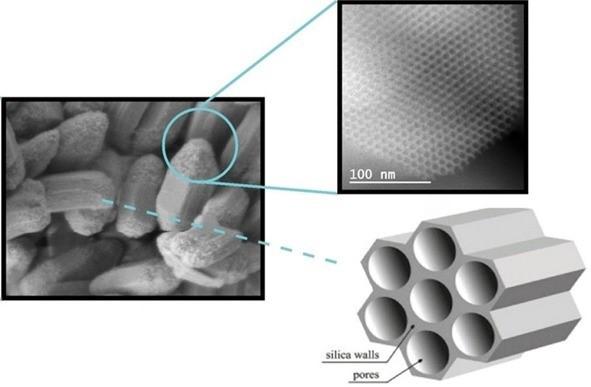
Engineered ingestible molecular traps created from mesoporous silica particles (MSPs) introduced to the gut can have an effect on food efficiency and metabolic risk factors. The results from studies on mice, published in Nanomedicine, demonstrate the potential to reduce the energy uptake into the body and could lead to new treatments for obesity and diabetes.

So far there are no effective treatments for obesity that hinder weight gain or promote weight loss without problematic side effects. Many of the current medications use small pharmacological agents that can affect the body negatively in multiple ways.

“We chose an innovative alternative approach. Mesoporous silica particles (MSP) are a type of ingestible synthetic silica particles that can be produced with a large surface area and a range of pore sizes”, says professor Tore Bengtsson at the Department of Molecular Biosciences, The Wenner-Gren Institute, Stockholm University and the one heading the research team behind the study.

The team hypothesised that the particles could be used as “molecular sieves” in the intestine to trap and block digestive enzymes that break down food and thus reduce the energy uptake into the body (measured as food efficiency).

In the study reported in Nanomedicine, mice were fed high fat, high calorific diets, to induce weight gain, mixed with specially engineered MSPs. The results showed that MSPs reduced food efficiency by 33 percent leading to a lower weight gain, and a positive effect on the metabolic profile, as well as significant lower levels of adipose tissue formation and leptin, together with lower levels of circulating insulin.

“The data presented in this study suggest that tailored MSPs could be used to treat obesity and diabetes in humans, especially when taking into account their excellent safety profiles. Since we completed this work, clinical trials have been devised and are now underway,” says professor Tore Bengtsson.

###

Link to the study: https://www.futuremedicine.com/doi/10.2217/nnm-2019-0262

Contact information

Tore Bengtsson, Department of Molecular Biosciences, The Wenner-Gren Institute, Stockholm University

phone: 0705-47 39 94, e-mail: [email protected]

Media Contact
Tore Bengtsson
[email protected]
46-705-473-994

Related Journal Article

http://dx.doi.org/10.2217/nnm-2019-0262

Tags: DiabetesDiet/Body WeightMedicine/HealthMolecular BiologyNutrition/Nutrients
Share12Tweet8Share2ShareShareShare2

Related Posts

Evaluating Pediatric Emergency Care Quality in Ethiopia

February 7, 2026

TPMT Expression Predictions Linked to Azathioprine Side Effects

February 7, 2026

Improving Dementia Care with Enhanced Activity Kits

February 7, 2026

Decoding Prostate Cancer Origins via snFLARE-seq, mxFRIZNGRND

February 7, 2026
Please login to join discussion

POPULAR NEWS

  • Robotic Ureteral Reconstruction: A Novel Approach

    Robotic Ureteral Reconstruction: A Novel Approach

    82 shares
    Share 33 Tweet 21
  • Digital Privacy: Health Data Control in Incarceration

    63 shares
    Share 25 Tweet 16
  • Study Reveals Lipid Accumulation in ME/CFS Cells

    57 shares
    Share 23 Tweet 14
  • Breakthrough in RNA Research Accelerates Medical Innovations Timeline

    53 shares
    Share 21 Tweet 13

About

We bring you the latest biotechnology news from best research centers and universities around the world. Check our website.

Follow us

Recent News

Evaluating Pediatric Emergency Care Quality in Ethiopia

TPMT Expression Predictions Linked to Azathioprine Side Effects

Improving Dementia Care with Enhanced Activity Kits

Subscribe to Blog via Email

Success! An email was just sent to confirm your subscription. Please find the email now and click 'Confirm' to start subscribing.

Join 73 other subscribers
  • Contact Us

Bioengineer.org © Copyright 2023 All Rights Reserved.

Welcome Back!

Login to your account below

Forgotten Password?

Retrieve your password

Please enter your username or email address to reset your password.

Log In
No Result
View All Result
  • Homepages
    • Home Page 1
    • Home Page 2
  • News
  • National
  • Business
  • Health
  • Lifestyle
  • Science

Bioengineer.org © Copyright 2023 All Rights Reserved.