• HOME
  • NEWS
  • EXPLORE
    • CAREER
      • Companies
      • Jobs
    • EVENTS
    • iGEM
      • News
      • Team
    • PHOTOS
    • VIDEO
    • WIKI
  • BLOG
  • COMMUNITY
    • FACEBOOK
    • INSTAGRAM
    • TWITTER
Saturday, February 7, 2026
BIOENGINEER.ORG
No Result
View All Result
  • Login
  • HOME
  • NEWS
  • EXPLORE
    • CAREER
      • Companies
      • Jobs
        • Lecturer
        • PhD Studentship
        • Postdoc
        • Research Assistant
    • EVENTS
    • iGEM
      • News
      • Team
    • PHOTOS
    • VIDEO
    • WIKI
  • BLOG
  • COMMUNITY
    • FACEBOOK
    • INSTAGRAM
    • TWITTER
  • HOME
  • NEWS
  • EXPLORE
    • CAREER
      • Companies
      • Jobs
        • Lecturer
        • PhD Studentship
        • Postdoc
        • Research Assistant
    • EVENTS
    • iGEM
      • News
      • Team
    • PHOTOS
    • VIDEO
    • WIKI
  • BLOG
  • COMMUNITY
    • FACEBOOK
    • INSTAGRAM
    • TWITTER
No Result
View All Result
Bioengineer.org
No Result
View All Result
Home NEWS Science News

New research aims to improve oral delivery of insulin

Bioengineer by Bioengineer
December 12, 2019
in Science News
Reading Time: 2 mins read
0
IMAGE
Share on FacebookShare on TwitterShare on LinkedinShare on RedditShare on Telegram

IMAGE

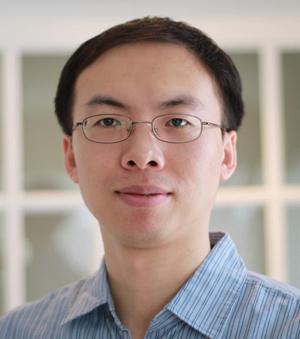
Credit: Wayne State University


DETROIT – Diabetes is a chronic disease that occurs when the pancreas does not produce enough insulin — a hormone that regulates blood sugar– or the body cannot effectively use the insulin it produces. According to the Diabetes Research Institute Foundation, the disease is increasing at an alarming rate in the United States, with an estimated 30.3 million people currently with diabetes.

Oral insulin is potentially prescribed to patients diagnosed with diabetes to improve their quality of life. However, current oral protein formulations of insulin face multiple obstacles during their gastrointestinal transport and absorption, resulting in lower therapeutic benefits. This includes difficulty penetrating the intestinal mucus layer and the epithelial cell layer to reach the blood. While scientists have made improvements in mucus-penetrating and absorption-enhancing technologies, current oral doses of protein drugs to treat diabetes remains low in absorption and bioavailability, and can increase the risk of leaky gut, autoimmune disease, bacterial infections and inflammatory bowel diseases.

Therefore, there is an urgent need for a safe and efficient oral delivery technology that will enhance protein transport, and to increase oral insulin with high bioavailability. With the help of a $1.7 million grant from the National Institute of Diabetes and Digestive and Kidney Diseases of the National Institutes of Health, a team of researchers in Wayne State’s College of Engineering will explore ways to address these issues.

“The goal of our project is to develop a highly promising oral insulin that will be a life-changing treatment for diabetes patients,” said Zhiqiang Cao, Ph.D., associate professor of chemical engineering and materials science, and graduate program director in the College of Engineering at Wayne State University. “We also hope to develop knowledge of how our delivery platform can address multiple barriers for oral protein delivery above and beyond insulin. This will have the potential to impact and enhance a broad range of oral protein drugs.”

Cao and his collaborators will aim to develop a mechanism for a novel insulin delivery system that effectively address the above issues.

###

The grant number for this award, “A Novel Oral Insulin Enabling Safe and Efficient Gastrointestinal Transport and Absorption,” is DK123293-01.

About Wayne State University

Wayne State University is one of the nation’s pre-eminent public research universities in an urban setting. Through its multidisciplinary approach to research and education, and its ongoing collaboration with government, industry and other institutions, the university seeks to enhance economic growth and improve the quality of life in the city of Detroit, state of Michigan and throughout the world. For more information about research at Wayne State University, visit research.wayne.edu.

Media Contact
Julie O’Connor
[email protected]
313-577-8845

Tags: Biomedical/Environmental/Chemical EngineeringDiabetesMedicine/HealthMetabolism/Metabolic DiseasesResearch/DevelopmentTechnology/Engineering/Computer Science
Share12Tweet8Share2ShareShareShare2

Related Posts

Low-Inflammation in Elderly UTIs: Risks and Resistance

February 7, 2026

Urinary Clusterin: Tracking Kidney Disease and Treatment Response

February 7, 2026

Personalized Guide to Understanding and Reducing Chemicals

February 7, 2026

Inflammasome Protein ASC Drives Pancreatic Cancer Metabolism

February 7, 2026
Please login to join discussion

POPULAR NEWS

  • Robotic Ureteral Reconstruction: A Novel Approach

    Robotic Ureteral Reconstruction: A Novel Approach

    82 shares
    Share 33 Tweet 21
  • Digital Privacy: Health Data Control in Incarceration

    63 shares
    Share 25 Tweet 16
  • Study Reveals Lipid Accumulation in ME/CFS Cells

    57 shares
    Share 23 Tweet 14
  • Breakthrough in RNA Research Accelerates Medical Innovations Timeline

    53 shares
    Share 21 Tweet 13

About

We bring you the latest biotechnology news from best research centers and universities around the world. Check our website.

Follow us

Recent News

Low-Inflammation in Elderly UTIs: Risks and Resistance

Urinary Clusterin: Tracking Kidney Disease and Treatment Response

Personalized Guide to Understanding and Reducing Chemicals

Subscribe to Blog via Email

Enter your email address to subscribe to this blog and receive notifications of new posts by email.

Join 73 other subscribers
  • Contact Us

Bioengineer.org © Copyright 2023 All Rights Reserved.

Welcome Back!

Login to your account below

Forgotten Password?

Retrieve your password

Please enter your username or email address to reset your password.

Log In
No Result
View All Result
  • Homepages
    • Home Page 1
    • Home Page 2
  • News
  • National
  • Business
  • Health
  • Lifestyle
  • Science

Bioengineer.org © Copyright 2023 All Rights Reserved.