• HOME
  • NEWS
  • EXPLORE
    • CAREER
      • Companies
      • Jobs
    • EVENTS
    • iGEM
      • News
      • Team
    • PHOTOS
    • VIDEO
    • WIKI
  • BLOG
  • COMMUNITY
    • FACEBOOK
    • INSTAGRAM
    • TWITTER
Saturday, February 7, 2026
BIOENGINEER.ORG
No Result
View All Result
  • Login
  • HOME
  • NEWS
  • EXPLORE
    • CAREER
      • Companies
      • Jobs
        • Lecturer
        • PhD Studentship
        • Postdoc
        • Research Assistant
    • EVENTS
    • iGEM
      • News
      • Team
    • PHOTOS
    • VIDEO
    • WIKI
  • BLOG
  • COMMUNITY
    • FACEBOOK
    • INSTAGRAM
    • TWITTER
  • HOME
  • NEWS
  • EXPLORE
    • CAREER
      • Companies
      • Jobs
        • Lecturer
        • PhD Studentship
        • Postdoc
        • Research Assistant
    • EVENTS
    • iGEM
      • News
      • Team
    • PHOTOS
    • VIDEO
    • WIKI
  • BLOG
  • COMMUNITY
    • FACEBOOK
    • INSTAGRAM
    • TWITTER
No Result
View All Result
Bioengineer.org
No Result
View All Result
Home NEWS Science News Biology

Make fungi think they’re starving to stop them having sex, say scientists

Bioengineer by Bioengineer
October 28, 2019
in Biology
Reading Time: 3 mins read
0
IMAGE
Share on FacebookShare on TwitterShare on LinkedinShare on RedditShare on Telegram

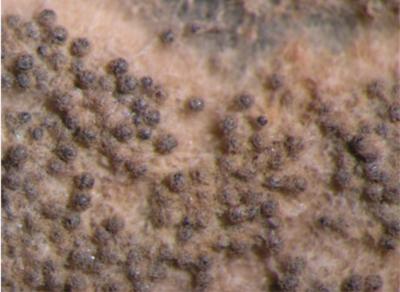
Newly characterised receptors that repress sexual reproduction in fungi could be targeted to slow down their evolution
IMAGE

Credit: Brown and Goldman

Tricking fungi into thinking they’re starving could be the key to slowing down our evolutionary arms race with fungal pathogens, as hungry fungi don’t want to have sex.

That’s the conclusion from new research at the University of Bath which for the first time characterised a group of receptors unique to fungi, which prevent them from reproducing sexually.

The research team, from the University of Bath and University of São Paulo – Ribeirão Preto, believe these G-Protein Coupled Receptors (GPCRs) could potentially be a target to slowdown fungi’s evolution and the spread of increased virulence and resistance to antifungal chemicals.

Aspergillus fungi only like to have sex when they are well fed and in the dark. Sexual reproduction recombines the DNA of parents to create genetically diverse offspring, which are rapidly disseminated throughout the environment as spores.

This diversity and spread is critical for fungi to adapt to new environments, either promoting disease or evolving antifungal resistance.

Activating the receptors and making the fungi believe they are starving could prevent fungi having sex and therefore slow down their evolution. This could have applications for controlling fungal pathogens in agriculture, as well as in our hospitals.

Dr Neil Brown, from Department of Biology & Biochemistry at the University of Bath, said: “These receptors could be a route to inhibit fungal sex, which may improve the sustainability of disease control. We spend large amounts of time and money developing resistant crops and antifungal chemicals, but there are examples where within a few years of their use fungi have overcome resistant crops or become tolerant of the antifungals.

“Here we could slow down our arms race with the fungal pathogens and therefore increase the shelf life of the resistant crops and antifungals we have invested in. Fungi are excellent at rapidly evolving and spreading through our ecosystem. However, we are slow at producing resistant crops and new antifungal compounds, so they’re always eventually going to overcome what we have, but here we could potentially slowdown that cycle to our benefit.”

Professor Gustavo Goldman, from the University of São Paulo, Ribeirão Preto, said: “This research is a long-term collaboration between our laboratories in Brazil and the UK, highlighting the importance of international collaboration to tackle an important basic biology problem that can have repercussions in the control of human and plant pathogenic fungi.”

The scientists studied the model fungus Aspergillus nidulans. The particular GPCRs they studied are found across most fungi, but are not present in plants, animals or humans, which makes them a good potential target for antifungal agents.

The research team want to continue to study these fungal receptors, and others which promote sexual reproduction in several fungal pathogens. Aiming to understand the molecular and structural details of how these two systems work, hoping to eventually develop reliable ways to inhibit fungal sex.

###

The research is published in PLOS Genetics.

The research was funded by Fundação de Amparo à Pesquisa do Estado de São Paulo (FAPESP), a BBSRC GCRF Accelerator Award, Research England and University of Bath-FAPESP Sprint Award.

Media Contact
Chris Melvin
[email protected]
44-012-253-83941

Original Source

https://www.bath.ac.uk/announcements/make-fungi-think-theyre-starving-to-stop-them-having-sex-say-scientists

Related Journal Article

http://dx.doi.org/10.1371/journal.pgen.1008419

Tags: Agricultural Production/EconomicsBiologyEvolutionFertilizers/Pest ManagementMicrobiologyMycologyPlant Sciences
Share13Tweet8Share2ShareShareShare2

Related Posts

Florida Cane Toad: Complex Spread and Selective Evolution

Florida Cane Toad: Complex Spread and Selective Evolution

February 7, 2026
New Study Uncovers Mechanism Behind Burn Pit Particulate Matter–Induced Lung Inflammation

New Study Uncovers Mechanism Behind Burn Pit Particulate Matter–Induced Lung Inflammation

February 6, 2026

DeepBlastoid: Advancing Automated and Efficient Evaluation of Human Blastoids with Deep Learning

February 6, 2026

Navigating the Gut: The Role of Formic Acid in the Microbiome

February 6, 2026
Please login to join discussion

POPULAR NEWS

  • Robotic Ureteral Reconstruction: A Novel Approach

    Robotic Ureteral Reconstruction: A Novel Approach

    82 shares
    Share 33 Tweet 21
  • Digital Privacy: Health Data Control in Incarceration

    63 shares
    Share 25 Tweet 16
  • Study Reveals Lipid Accumulation in ME/CFS Cells

    57 shares
    Share 23 Tweet 14
  • Breakthrough in RNA Research Accelerates Medical Innovations Timeline

    53 shares
    Share 21 Tweet 13

About

We bring you the latest biotechnology news from best research centers and universities around the world. Check our website.

Follow us

Recent News

Barriers and Boosters of Seniors’ Physical Activity in Karachi

Evaluating Pediatric Emergency Care Quality in Ethiopia

TPMT Expression Predictions Linked to Azathioprine Side Effects

Subscribe to Blog via Email

Enter your email address to subscribe to this blog and receive notifications of new posts by email.

Join 73 other subscribers
  • Contact Us

Bioengineer.org © Copyright 2023 All Rights Reserved.

Welcome Back!

Login to your account below

Forgotten Password?

Retrieve your password

Please enter your username or email address to reset your password.

Log In
No Result
View All Result
  • Homepages
    • Home Page 1
    • Home Page 2
  • News
  • National
  • Business
  • Health
  • Lifestyle
  • Science

Bioengineer.org © Copyright 2023 All Rights Reserved.