More than $3 million in NIH grants will help assess, monitor patients recovering from stroke
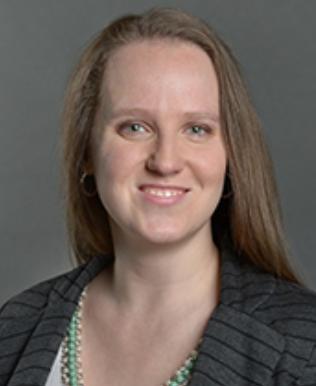
Credit: MU News Bureau
COLUMBIA, Mo. – According to the American Stroke Association, stroke is the leading cause of disability in the United States. For patients recovering from a stroke, paralysis or loss of muscle movement on one side of the body can make daily chores and tasks more difficult to complete.
Now, researchers at the University of Missouri have received more than $3 million from the National Institutes of Health to better assess and monitor patients recovering from stroke.
Rachel Proffitt, assistant professor of occupational therapy in the MU School of Health Professions, and Marjorie Skubic, professor of electrical engineering and computer science in the MU College of Engineering, created an intelligent depth sensor system that monitors the daily activities of patients recovering from a stroke in their own home.
“This tool will provide a noninvasive look into how someone completes daily activities in their own home environment,” Proffitt said. “As an occupational therapist, I can change treatment plans for the individual based on what I see. For example, if they are recovering well and starting to stretch their arms a bit further or have smoother range of motion, I can add some more challenging activities to their rehab plan. Or if they are not improving, we can scale back accordingly.”
The depth sensors capture a 3D silhouette of an individual’s body and can track movements such as opening a cabinet door, grabbing a beverage from the refrigerator or stirring food to prepare a meal.
“The technology allows us to not only recognize the activity going on, but to be able to assess how well they are doing the activity,” Skubic said. “This is a way for occupational therapists to see how the rehab is progressing and translating into somebody’s everyday activities. Giving people a more personalized therapy plan can help improve the rehab process and ultimately lead to better health outcomes.”
Mengxuan Ma, a graduate student at MU pursuing her doctoral degree in electrical and computer engineering, worked with Skubic and Proffitt to help develop the algorithms within the depth sensor system.
“We have created technology that can measure the actions of people recovering from a stroke by building a daily activity recognition system,” Ma said. “By tracking and assessing the quality of each activity over time, that data can be used to develop specific therapies for individual patients.”
Also receiving NIH funding is Timothy Wolf, associate professor and chair of occupational therapy in the MU School of Health Professions. Wolf has been researching neurological injury rehabilitation for more than a decade and is evaluating a new intervention method that focuses on improving performance of everyday activities.
“Stroke is a very complex neurological injury that can cause many impairments including muscle weakness and cognitive problems,” Wolf said. “Rather than addressing those issues individually, our new intervention model has a holistic approach that focuses on helping individuals get back to the activities they enjoyed before the stroke.”
The NIH grant will allow Wolf and a team of occupational therapists to comprehensively assess the strengths and limitations of patients recovering from stroke. By asking patients about their recovery goals and the types of activities they wish to reengage in, therapists can create tailored strategies and suggest techniques to improve their ability to complete daily tasks.
“Some patients may really enjoy cooking dinner with friends and family but experience weakness in one arm after suffering a stroke,” Wolf said. “By teaching them strategies, we can help the individual get back to the activities and experiences that enhance their quality of life.”
###
Funding for these projects was provided by the National Institutes of Health through the National Center for Medical Rehabilitation Research in the Eunice Kennedy Shriver National Institute of Child Health and Human Development.
Media Contact
Brian Consiglio
[email protected]
Original Source
https:/