• HOME
  • NEWS
  • EXPLORE
    • CAREER
      • Companies
      • Jobs
    • EVENTS
    • iGEM
      • News
      • Team
    • PHOTOS
    • VIDEO
    • WIKI
  • BLOG
  • COMMUNITY
    • FACEBOOK
    • INSTAGRAM
    • TWITTER
Monday, December 1, 2025
BIOENGINEER.ORG
No Result
View All Result
  • Login
  • HOME
  • NEWS
  • EXPLORE
    • CAREER
      • Companies
      • Jobs
        • Lecturer
        • PhD Studentship
        • Postdoc
        • Research Assistant
    • EVENTS
    • iGEM
      • News
      • Team
    • PHOTOS
    • VIDEO
    • WIKI
  • BLOG
  • COMMUNITY
    • FACEBOOK
    • INSTAGRAM
    • TWITTER
  • HOME
  • NEWS
  • EXPLORE
    • CAREER
      • Companies
      • Jobs
        • Lecturer
        • PhD Studentship
        • Postdoc
        • Research Assistant
    • EVENTS
    • iGEM
      • News
      • Team
    • PHOTOS
    • VIDEO
    • WIKI
  • BLOG
  • COMMUNITY
    • FACEBOOK
    • INSTAGRAM
    • TWITTER
No Result
View All Result
Bioengineer.org
No Result
View All Result
Home NEWS Science News Health

Baby brain scans made available online to advance research

Bioengineer by Bioengineer
September 23, 2019
in Health
Reading Time: 2 mins read
0
IMAGE
Share on FacebookShare on TwitterShare on LinkedinShare on RedditShare on Telegram

IMAGE

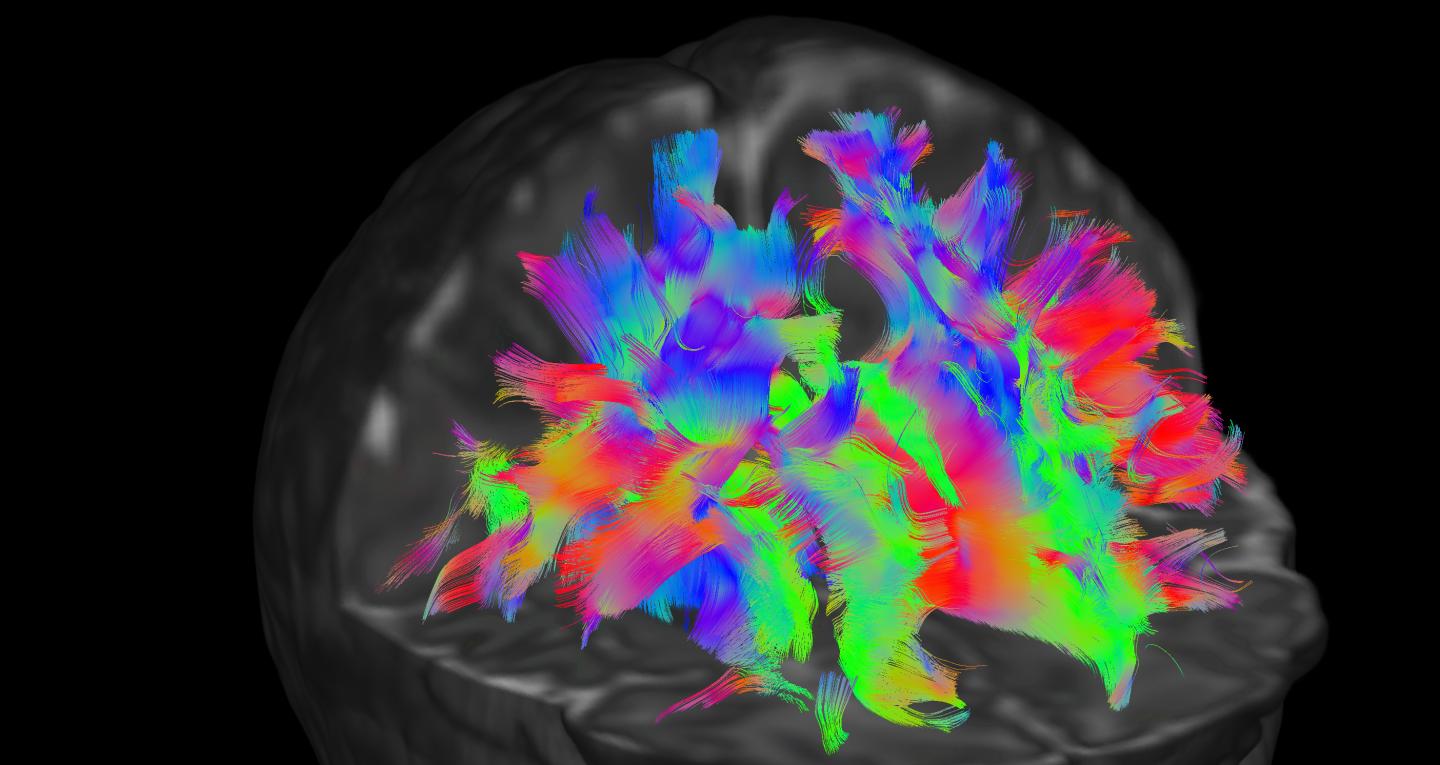
Scan of a newborn baby’s brain with visualisations of information derived from diffusion-weighted data acquired as part of the Developing Human Connectome Project (http://www.developingconnectome.org/

) showing direction of different…
view more 

The Developing Human Connectome Project (dHCP) has published ground-breaking MR brain scans of over 500 newborn babies, which researchers from all over the world can download and use to study how the human brain develops.

A collaboration between King’s College London, Imperial College London and the University of Oxford, the images are the first large-scale data release of this project, which will uncover how the wiring and function of the brain develops during pregnancy and after birth.

A pilot release of scans from 40 infants has already been accessed hundreds of times. The team of researchers are sharing their images and methods online so that other scientists from around the world can use the data in their own research.

Most of the babies were imaged while naturally asleep. If the baby woke up, scanning was stopped and attempts made to resettle before proceeding. Of course, even when sleeping peacefully, many babies move and the team had to work on ensuring all the data was motion corrected, largely using methods developed specifically for the dHCP project, in order to produce highly detailed and rich information on brain development.

The images included in the data release are from babies born and imaged between 24-45 weeks of pregnancy at the Evelina Newborn Imaging Centre part of the Centre for the Developing Brain, King’s College London, based at St Thomas’ Hospital, London.

Scientists believe this information will allow teams across the world understand how important diseases like autism develop, or how problems in pregnancy affect brain growth.

Lead Principal Investigator, Professor David Edwards from King’s College London said: “The Developing Human Connectome Project is a major advance in understanding human brain development- it provides the most detailed map of how the brain’s connections develop to date, and how this goes wrong in disease.”

###

The research consortium is funded by a €15 million Synergy grant from the European Research Council. The aim is to ensure data is shared as widely as possible. Future releases will include data from babies still in the womb as well as information on children’s genes and their abilities as they grow up.

Scientists are able to access and download the images here: http://www.developingconnectome.org/second-data-release/

Media Contact
Tanya Wood
[email protected]

Tags: Clinical TrialsCritical Care/Emergency MedicineFertilityGynecologyHealth Care Systems/ServicesHealth ProfessionalsMedicine/Healthneurobiology
Share12Tweet8Share2ShareShareShare2

Related Posts

Early Fat Signals Shape Brain, Impact Obesity Risk

December 1, 2025

Gene Redundancy Unlocks Pathogen Evolution and Infection

December 1, 2025

Synthetic Infectious Clone of Simian Foamy Virus Characterized

December 1, 2025

Exploring New Frontiers in School Mental Health Mapping

December 1, 2025
Please login to join discussion

POPULAR NEWS

  • New Research Unveils the Pathway for CEOs to Achieve Social Media Stardom

    New Research Unveils the Pathway for CEOs to Achieve Social Media Stardom

    203 shares
    Share 81 Tweet 51
  • Scientists Uncover Chameleon’s Telephone-Cord-Like Optic Nerves, A Feature Missed by Aristotle and Newton

    120 shares
    Share 48 Tweet 30
  • Neurological Impacts of COVID and MIS-C in Children

    106 shares
    Share 42 Tweet 27
  • MoCK2 Kinase Shapes Mitochondrial Dynamics in Rice Fungal Pathogen

    67 shares
    Share 27 Tweet 17

About

We bring you the latest biotechnology news from best research centers and universities around the world. Check our website.

Follow us

Recent News

Early Fat Signals Shape Brain, Impact Obesity Risk

Enhancing Vocal Music Education with STEAM and AI

Biomarker-Guided Therapies Revolutionize Urothelial Carcinoma

Subscribe to Blog via Email

Success! An email was just sent to confirm your subscription. Please find the email now and click 'Confirm' to start subscribing.

Join 69 other subscribers
  • Contact Us

Bioengineer.org © Copyright 2023 All Rights Reserved.

Welcome Back!

Login to your account below

Forgotten Password?

Retrieve your password

Please enter your username or email address to reset your password.

Log In
No Result
View All Result
  • Homepages
    • Home Page 1
    • Home Page 2
  • News
  • National
  • Business
  • Health
  • Lifestyle
  • Science

Bioengineer.org © Copyright 2023 All Rights Reserved.