• HOME
  • NEWS
  • EXPLORE
    • CAREER
      • Companies
      • Jobs
    • EVENTS
    • iGEM
      • News
      • Team
    • PHOTOS
    • VIDEO
    • WIKI
  • BLOG
  • COMMUNITY
    • FACEBOOK
    • INSTAGRAM
    • TWITTER
Thursday, March 26, 2026
BIOENGINEER.ORG
No Result
View All Result
  • Login
  • HOME
  • NEWS
  • EXPLORE
    • CAREER
      • Companies
      • Jobs
        • Lecturer
        • PhD Studentship
        • Postdoc
        • Research Assistant
    • EVENTS
    • iGEM
      • News
      • Team
    • PHOTOS
    • VIDEO
    • WIKI
  • BLOG
  • COMMUNITY
    • FACEBOOK
    • INSTAGRAM
    • TWITTER
  • HOME
  • NEWS
  • EXPLORE
    • CAREER
      • Companies
      • Jobs
        • Lecturer
        • PhD Studentship
        • Postdoc
        • Research Assistant
    • EVENTS
    • iGEM
      • News
      • Team
    • PHOTOS
    • VIDEO
    • WIKI
  • BLOG
  • COMMUNITY
    • FACEBOOK
    • INSTAGRAM
    • TWITTER
No Result
View All Result
Bioengineer.org
No Result
View All Result
Home NEWS Science News Health

The role of racial discrimination in alcohol abuse

Bioengineer by Bioengineer
July 22, 2019
in Health
Reading Time: 2 mins read
0
IMAGE
Share on FacebookShare on TwitterShare on LinkedinShare on RedditShare on Telegram

UH researcher exploring impact on Latinxs
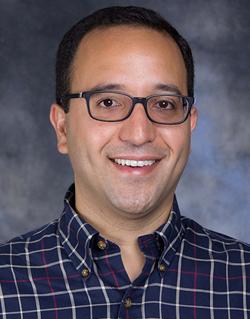
IMAGE

Credit: University of Houston

University of Houston associate professor of psychology Andres Viana has received a $900,000 Mentored Patient-Oriented Research Career Development Award from the National Institute on Alcohol Abuse and Alcoholism (NIAAA) to examine the impact of racial discrimination in moderate-to-heavy drinking adult Latinxs. Viana prefers the gender-neutral term Latinx.

Research shows that drinking patterns among Latinxs are different than those of non-Hispanic whites and other ethnic or racial groups. According to the NIAAA, understanding these differences can help prevention, intervention and treatment programs better serve the Hispanic community.

“Latinxs who drink tend to drink more on their drinking days than whites who drink,” said Viana. “There is also evidence that Latinx men experience the highest rates of alcohol-related liver cirrhosis of all racial and ethnic groups.”
Viana and his team will study a group of 150 self-admitted Latinx drinkers and will examine whether negative experiences, such as racial discrimination, increase their anxiety and drinking patterns.

“These sociocultural experiences have been overlooked in the treatment of ethnic minorities, particularly among Latinxs,” said Viana. If his work validates his theory, it can inform the work of therapists.

“When therapists are out in the community working with Latinxs who drink excessively, it may be important for them to consider experiences such as prejudice, racial discrimination, and lack of access to services, as potential reasons for their alcohol abuse.” The ultimate goal is to raise awareness of these factors increasing risk for addiction, he said.

###

The NIAAA grant supports career development of researchers with clinical doctoral degrees who have made a commitment to focus their research endeavors on patient-oriented research. Viana has previously conducted research on the development of anxiety disorders across the lifespan, including their association with substance use outcomes. This new grant will allow Viana to develop further expertise in the area of alcohol-anxiety comorbidity among Latinxs, a population afflicted by health disparities.

Viana’s mentors are senior investigators and include Hugh Roy and Lillie Cranz Cullen Distinguished University Professor of psychology Michael Zvolensky, Moores Professor of psychology Clayton Neighbors, Hugh Roy and Hugh Roy and Lillie Cranz Cullen Distinguished University Chair of psychology David Francis and David Wetter, the Jon M. and Karen Huntsman Presidential Professor at the University of Utah School of Medicine. Professor Ezemenari Obasi, associate dean for research in the UH College of Education is also a collaborator on the project.

Media Contact
Laurie Fickman
[email protected]
Tags: AddictionAlcoholBehaviorDepression/AngerImmigrants & MigrationMedicine/HealthMental HealthMinoritiesSocial/Behavioral Science
Share12Tweet8Share2ShareShareShare2

Related Posts

Aversive Learning Hijacks Brain Sugar Sensor

March 25, 2026

Can Psychosocial Factors Influence Cancer Risk?

March 23, 2026

Depression Factors in Elderly: Pre vs. Post-COVID Analysis

March 23, 2026

Hidden Health Crises Among US and UK Volunteers in Ukraine Uncovered in New Study

March 23, 2026
Please login to join discussion

POPULAR NEWS

  • blank

    Revolutionary AI Model Enhances Precision in Detecting Food Contamination

    96 shares
    Share 38 Tweet 24
  • Imagine a Social Media Feed That Challenges Your Views Instead of Reinforcing Them

    1003 shares
    Share 397 Tweet 248
  • Uncovering Functions of Cavernous Malformation Proteins in Organoids

    54 shares
    Share 22 Tweet 14
  • Promising Outcomes from First Clinical Trials of Gene Regulation in Epilepsy

    51 shares
    Share 20 Tweet 13

About

We bring you the latest biotechnology news from best research centers and universities around the world. Check our website.

Follow us

Recent News

In-Sensor Cryptography Links Physical Process to Digital Identity

Can Psychosocial Factors Influence Cancer Risk?

Depression Factors in Elderly: Pre vs. Post-COVID Analysis

Subscribe to Blog via Email

Success! An email was just sent to confirm your subscription. Please find the email now and click 'Confirm' to start subscribing.

Join 78 other subscribers
  • Contact Us

Bioengineer.org © Copyright 2023 All Rights Reserved.

Welcome Back!

Login to your account below

Forgotten Password?

Retrieve your password

Please enter your username or email address to reset your password.

Log In
No Result
View All Result
  • Homepages
    • Home Page 1
    • Home Page 2
  • News
  • National
  • Business
  • Health
  • Lifestyle
  • Science

Bioengineer.org © Copyright 2023 All Rights Reserved.