• HOME
  • NEWS
  • EXPLORE
    • CAREER
      • Companies
      • Jobs
    • EVENTS
    • iGEM
      • News
      • Team
    • PHOTOS
    • VIDEO
    • WIKI
  • BLOG
  • COMMUNITY
    • FACEBOOK
    • INSTAGRAM
    • TWITTER
Saturday, February 7, 2026
BIOENGINEER.ORG
No Result
View All Result
  • Login
  • HOME
  • NEWS
  • EXPLORE
    • CAREER
      • Companies
      • Jobs
        • Lecturer
        • PhD Studentship
        • Postdoc
        • Research Assistant
    • EVENTS
    • iGEM
      • News
      • Team
    • PHOTOS
    • VIDEO
    • WIKI
  • BLOG
  • COMMUNITY
    • FACEBOOK
    • INSTAGRAM
    • TWITTER
  • HOME
  • NEWS
  • EXPLORE
    • CAREER
      • Companies
      • Jobs
        • Lecturer
        • PhD Studentship
        • Postdoc
        • Research Assistant
    • EVENTS
    • iGEM
      • News
      • Team
    • PHOTOS
    • VIDEO
    • WIKI
  • BLOG
  • COMMUNITY
    • FACEBOOK
    • INSTAGRAM
    • TWITTER
No Result
View All Result
Bioengineer.org
No Result
View All Result
Home NEWS Science News Health

Researchers confirm the validity of xenographic models for studies of methylation

Bioengineer by Bioengineer
July 18, 2019
in Health
Reading Time: 2 mins read
0
IMAGE
Share on FacebookShare on TwitterShare on LinkedinShare on RedditShare on Telegram

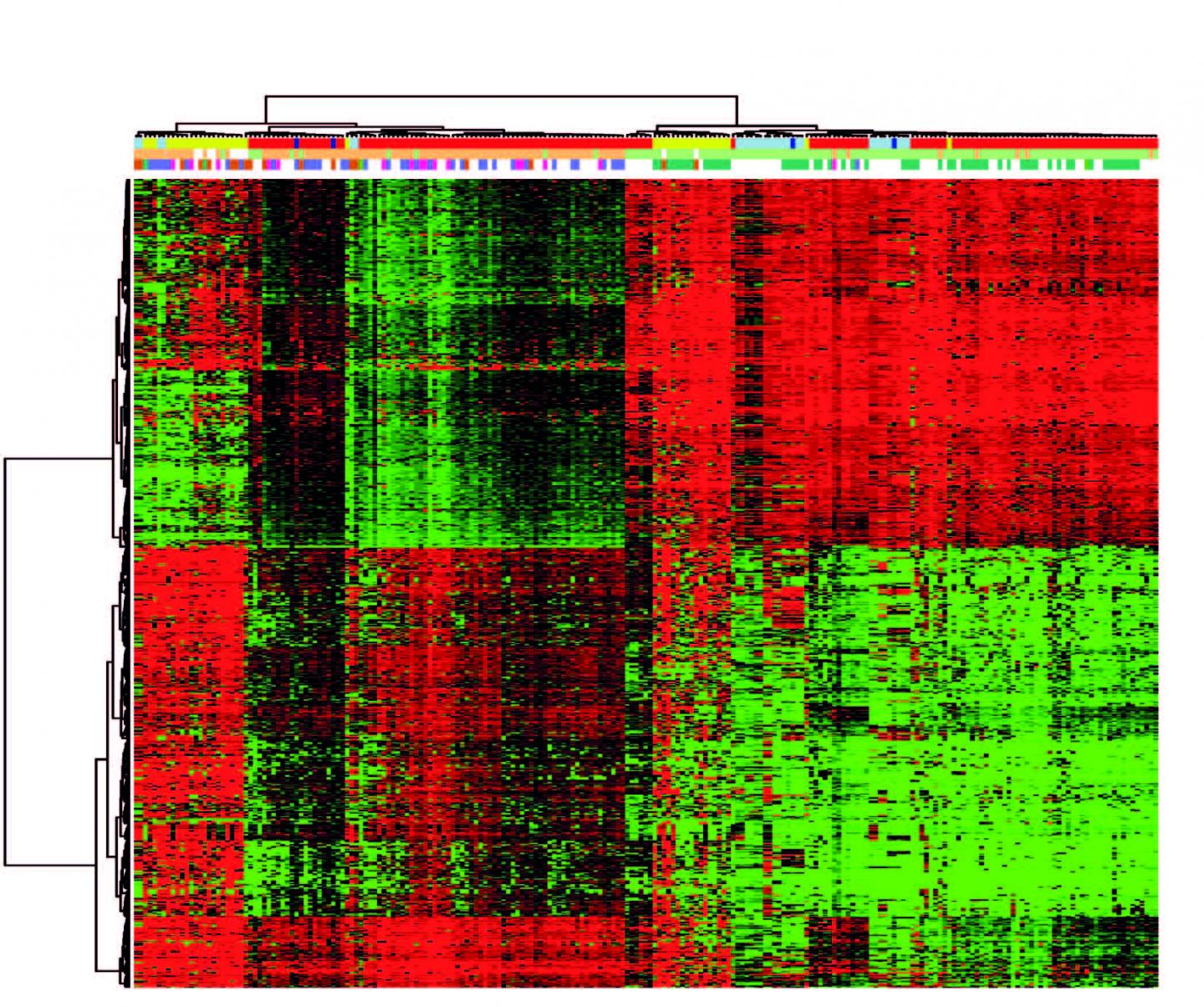
The new study identifies patterns of DNA methylation associated with breast cancer subtypes and response to docetaxel using PDX models
IMAGE

Credit: Eva González-Suárez

Researchers at the Bellvitge Biomedical Research Institute (IDIBELL), published today in Molecular Cancer Research a study where they identify methylation patterns associated with different subtypes of breast cancer, and a subclassification of the group of “triple negatives”, a breast cancer type typically associated with poor prognosis. In addition, researchers identified changes in DNA methylation associated with the response to docetaxel, a common therapy. The research was led by Dr. Eva González-Suárez, head of the IDIBELL Transformation and Metastasis research group.

Patient-derived xenografts (PDXs) are based on the implantation of tumor cells from a patient in an animal model (mice). This yields a much more representative model for drug preclinical studies compared to conventional cell cultures.

Methylation is an epigenetic way of regulating gene expression, which is based on the binding of molecules, called methyl groups, into DNA. These molecules bind to DNA following certain methylation profiles and activate or silence gene expression without altering the genetic sequence.

The authors of the study have reported for the first time that the methylation patterns of tumor samples from the two main breast cancer subtypes (with and without hormone receptors) in PDXs, are the same as those observed in patients. This fact validates the use of these models in preclinical studies of methylation and drug resistance.

In addition, authors have also observed that in triple negative breast cancer, a very heterogeneous and vaguely classifiable cancer group, there are methylation patterns that would allow subclassification. This classification in subgroups could allow researchers to find more specific treatments.

Another factor that the researchers asked was whether methylation played, in tumor cells, an important role in the acquisition of resistance to drugs such as docetaxel, one of the most widespread drugs in chemotherapy. “Even no changes in the global methylation profiles were found, we have identified changes in the methylation of specific genes that can improve the classification of patient samples, thus helping us know whether they will respond to docetaxel treatment or not”, Dr. González-Suárez explains, and she adds, “the differentially methylated genes identified can help us find treatments associated with the new subgroups”.

###

Media Contact
Gemma
[email protected]

Original Source

http://www.idibell.cat/ca/node/68210

Tags: Breast CancercancerMedicine/Health
Share12Tweet8Share2ShareShareShare2

Related Posts

Evaluating Pediatric Emergency Care Quality in Ethiopia

February 7, 2026

TPMT Expression Predictions Linked to Azathioprine Side Effects

February 7, 2026

Improving Dementia Care with Enhanced Activity Kits

February 7, 2026

Decoding Prostate Cancer Origins via snFLARE-seq, mxFRIZNGRND

February 7, 2026
Please login to join discussion

POPULAR NEWS

  • Robotic Ureteral Reconstruction: A Novel Approach

    Robotic Ureteral Reconstruction: A Novel Approach

    82 shares
    Share 33 Tweet 21
  • Digital Privacy: Health Data Control in Incarceration

    63 shares
    Share 25 Tweet 16
  • Study Reveals Lipid Accumulation in ME/CFS Cells

    57 shares
    Share 23 Tweet 14
  • Breakthrough in RNA Research Accelerates Medical Innovations Timeline

    53 shares
    Share 21 Tweet 13

About

We bring you the latest biotechnology news from best research centers and universities around the world. Check our website.

Follow us

Recent News

Evaluating Pediatric Emergency Care Quality in Ethiopia

TPMT Expression Predictions Linked to Azathioprine Side Effects

Improving Dementia Care with Enhanced Activity Kits

Subscribe to Blog via Email

Success! An email was just sent to confirm your subscription. Please find the email now and click 'Confirm' to start subscribing.

Join 73 other subscribers
  • Contact Us

Bioengineer.org © Copyright 2023 All Rights Reserved.

Welcome Back!

Login to your account below

Forgotten Password?

Retrieve your password

Please enter your username or email address to reset your password.

Log In
No Result
View All Result
  • Homepages
    • Home Page 1
    • Home Page 2
  • News
  • National
  • Business
  • Health
  • Lifestyle
  • Science

Bioengineer.org © Copyright 2023 All Rights Reserved.