• HOME
  • NEWS
  • EXPLORE
    • CAREER
      • Companies
      • Jobs
    • EVENTS
    • iGEM
      • News
      • Team
    • PHOTOS
    • VIDEO
    • WIKI
  • BLOG
  • COMMUNITY
    • FACEBOOK
    • INSTAGRAM
    • TWITTER
Thursday, March 26, 2026
BIOENGINEER.ORG
No Result
View All Result
  • Login
  • HOME
  • NEWS
  • EXPLORE
    • CAREER
      • Companies
      • Jobs
        • Lecturer
        • PhD Studentship
        • Postdoc
        • Research Assistant
    • EVENTS
    • iGEM
      • News
      • Team
    • PHOTOS
    • VIDEO
    • WIKI
  • BLOG
  • COMMUNITY
    • FACEBOOK
    • INSTAGRAM
    • TWITTER
  • HOME
  • NEWS
  • EXPLORE
    • CAREER
      • Companies
      • Jobs
        • Lecturer
        • PhD Studentship
        • Postdoc
        • Research Assistant
    • EVENTS
    • iGEM
      • News
      • Team
    • PHOTOS
    • VIDEO
    • WIKI
  • BLOG
  • COMMUNITY
    • FACEBOOK
    • INSTAGRAM
    • TWITTER
No Result
View All Result
Bioengineer.org
No Result
View All Result
Home NEWS Science News Chemistry

Bureau of Reclamation awards $5.1 million in research for new ways to desalinate water

Bioengineer by Bioengineer
July 15, 2019
in Chemistry
Reading Time: 2 mins read
0
IMAGE
Share on FacebookShare on TwitterShare on LinkedinShare on RedditShare on Telegram

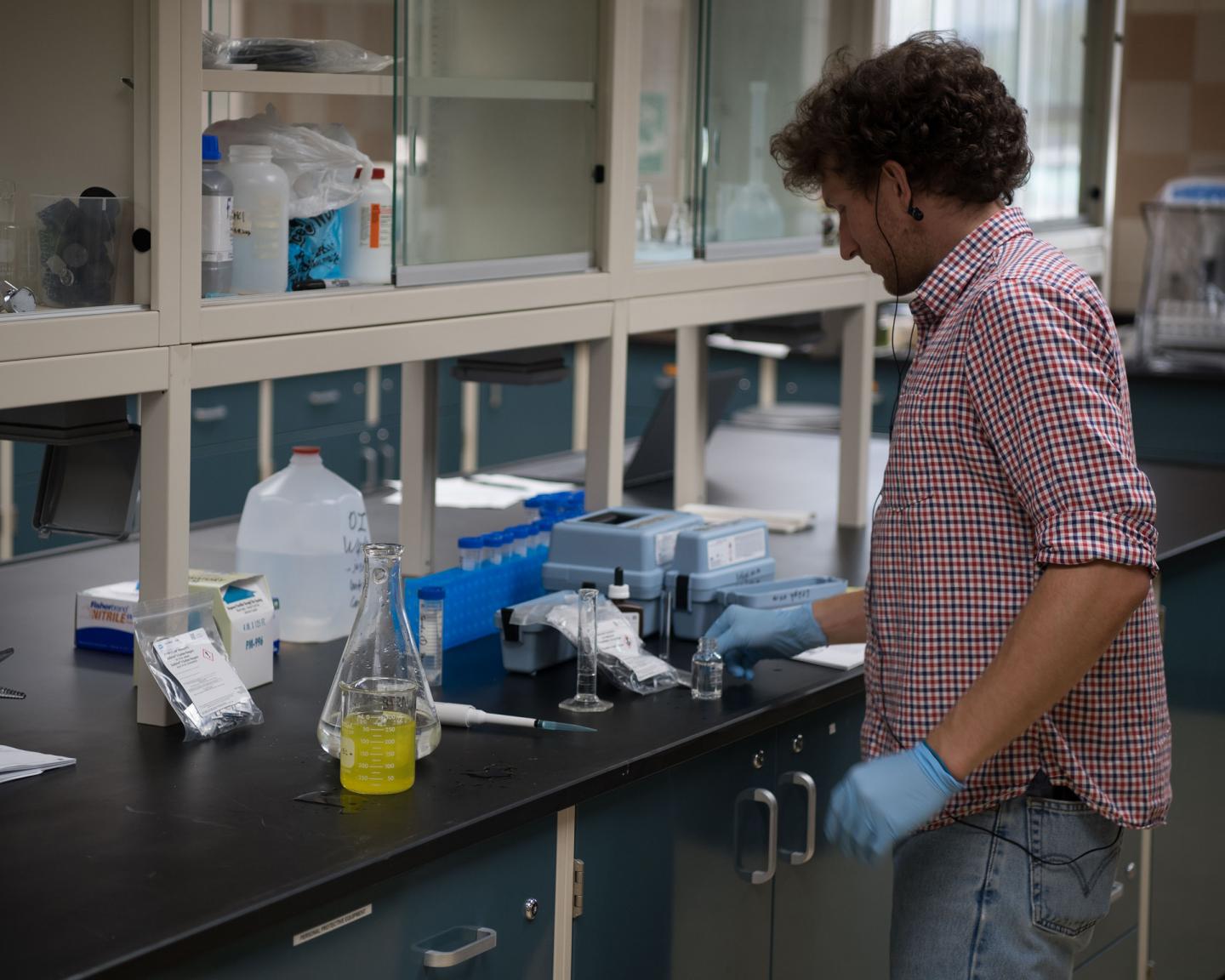
Thirty projects were selected for laboratory-scale and pilot-scale research to determine viability of a novel process or determine the technical, practical and economic viability of a process
IMAGE

Credit: Alex Stephens/Bureau of Reclamation

The Bureau of Reclamation announced that 30 projects will receive $5.1 million from the Desalination and Water Purification Research Program to develop improved and inexpensive ways to desalinate and treat impaired water.

“We are awarding grants to a diverse group of projects to reduce the cost, energy consumption and environmental impacts of treating impaired or otherwise unusable water for local communities across the country,” said Reclamation Commissioner Brenda Burman. “This funding is a direct result of the Trump Administration’s commitment to increase water supply and delivery through improved technology.”

Twenty-five awards are for laboratory-scale projects, which are typically bench scale studies involving small flow rates. They are used to determine the viability of a novel process, new materials or process modifications. Awards are limited to $150,000.

Five projects are selected as pilot-scale proposals, which test a novel process at a sufficiently large-scale to determine the technical, practical and economic viability of the process. Awards are limited to $400,000 and no more than $200,000 per year.

Types of projects funded include modeling, testing new materials such as nanomaterials, and improvements on known technologies such as distillation and electrodialysis. Projects are funded in the following states:

    Alabama

    Arizona

    California

    Colorado

    Florida

    Georgia

    Hawaii

    Illinois

    Massachusetts

    New Jersey

    New Mexico

    New York

    Oklahoma

    Texas

    Pennsylvania

    Virginia

More detail on each project is available at http://www.usbr.gov/research/dwpr.

###

Media Contact
Peter Soeth
[email protected]

Original Source

https://www.usbr.gov/newsroom/newsrelease/detail.cfm?RecordID=66943

Tags: Chemistry/Physics/Materials SciencesCivil EngineeringHydrology/Water ResourcesIndustrial Engineering/ChemistryNanotechnology/MicromachinesPolymer ChemistryResearch/Development
Share12Tweet8Share2ShareShareShare2

Related Posts

Isolated H2-Reduced Clusters Boost CO2-to-Methanol Catalysis

Isolated H2-Reduced Clusters Boost CO2-to-Methanol Catalysis

March 25, 2026
blank

Physicists Identify Electronic Drivers Behind Flat Band Quantum Materials

March 21, 2026

Würzburg Chemistry Professor Claudia Höbartner Receives Prestigious Honor

March 20, 2026

Scientists Reveal How Magnets Control Metamaterial Behavior

March 20, 2026
Please login to join discussion

POPULAR NEWS

  • blank

    Revolutionary AI Model Enhances Precision in Detecting Food Contamination

    96 shares
    Share 38 Tweet 24
  • Imagine a Social Media Feed That Challenges Your Views Instead of Reinforcing Them

    1003 shares
    Share 397 Tweet 248
  • Uncovering Functions of Cavernous Malformation Proteins in Organoids

    54 shares
    Share 22 Tweet 14
  • Promising Outcomes from First Clinical Trials of Gene Regulation in Epilepsy

    51 shares
    Share 20 Tweet 13

About

We bring you the latest biotechnology news from best research centers and universities around the world. Check our website.

Follow us

Recent News

In-Sensor Cryptography Links Physical Process to Digital Identity

Can Psychosocial Factors Influence Cancer Risk?

Depression Factors in Elderly: Pre vs. Post-COVID Analysis

Subscribe to Blog via Email

Success! An email was just sent to confirm your subscription. Please find the email now and click 'Confirm' to start subscribing.

Join 78 other subscribers
  • Contact Us

Bioengineer.org © Copyright 2023 All Rights Reserved.

Welcome Back!

Login to your account below

Forgotten Password?

Retrieve your password

Please enter your username or email address to reset your password.

Log In
No Result
View All Result
  • Homepages
    • Home Page 1
    • Home Page 2
  • News
  • National
  • Business
  • Health
  • Lifestyle
  • Science

Bioengineer.org © Copyright 2023 All Rights Reserved.