• HOME
  • NEWS
  • EXPLORE
    • CAREER
      • Companies
      • Jobs
    • EVENTS
    • iGEM
      • News
      • Team
    • PHOTOS
    • VIDEO
    • WIKI
  • BLOG
  • COMMUNITY
    • FACEBOOK
    • INSTAGRAM
    • TWITTER
Saturday, February 7, 2026
BIOENGINEER.ORG
No Result
View All Result
  • Login
  • HOME
  • NEWS
  • EXPLORE
    • CAREER
      • Companies
      • Jobs
        • Lecturer
        • PhD Studentship
        • Postdoc
        • Research Assistant
    • EVENTS
    • iGEM
      • News
      • Team
    • PHOTOS
    • VIDEO
    • WIKI
  • BLOG
  • COMMUNITY
    • FACEBOOK
    • INSTAGRAM
    • TWITTER
  • HOME
  • NEWS
  • EXPLORE
    • CAREER
      • Companies
      • Jobs
        • Lecturer
        • PhD Studentship
        • Postdoc
        • Research Assistant
    • EVENTS
    • iGEM
      • News
      • Team
    • PHOTOS
    • VIDEO
    • WIKI
  • BLOG
  • COMMUNITY
    • FACEBOOK
    • INSTAGRAM
    • TWITTER
No Result
View All Result
Bioengineer.org
No Result
View All Result
Home NEWS Science News Biology

Semi-arid land in China has expanded in recent decades and probably continues to expand

Bioengineer by Bioengineer
July 9, 2019
in Biology
Reading Time: 2 mins read
0
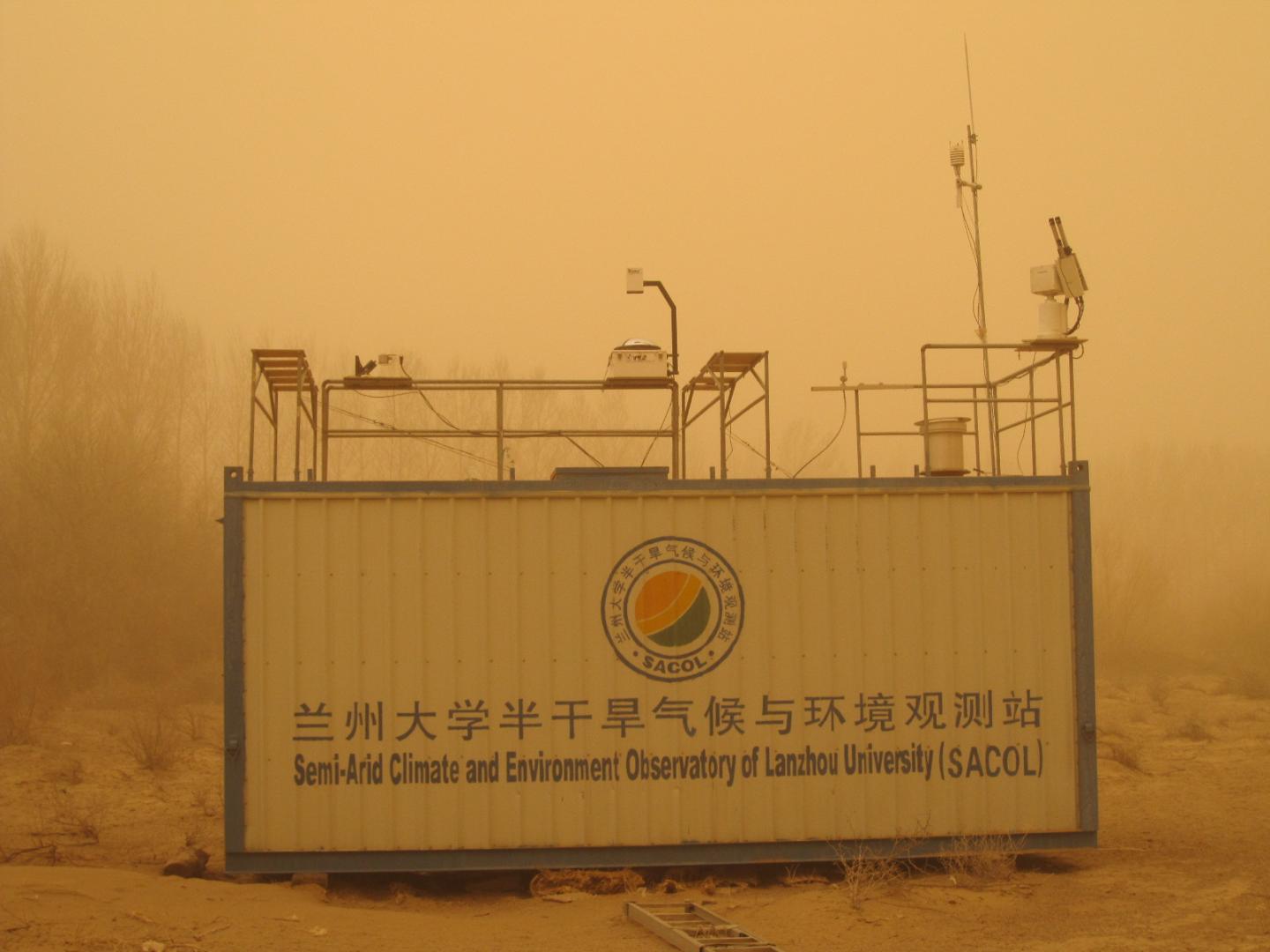
IMAGE
Share on FacebookShare on TwitterShare on LinkedinShare on RedditShare on Telegram

IMAGE

Credit: Jianrong Bi

Drylands cover approximately 50% of the land surface in China, among which semi-arid regions are the main dryland type. However, these semi-arid regions have undergone continuous expansion and a significant drying trend in recent decades, which increases the risk of land degradation and deterioration in China. Fully understanding the characteristics and dynamics of semi-arid climate change in China is essential for delaying desertification, protecting renewable regional resources and developing reasonable policies, according to Prof. Jianping Huang at the Key Laboratory for Semi-arid Climate Change of the Ministry of Education, College of Atmospheric Sciences, Lanzhou University.

Huang’s article co-authored with his team of researchers from the College of Atmospheric Sciences, Lanzhou University, has been published in Advances in Atmospheric Sciences. It is one of the papers included in a special issue on the National Report (2011-2018) to the International Union on Geophysics and Geodesy (IUGG) Centennial by the China National Committee for IAMAS.

In their paper, the authors systematically review the characteristics of semi-arid climate change in China, and highlight the dynamic processes and mechanisms affecting semi-arid climate change. The projection of semi-arid climate change and many issues that need to be further investigated are also summarized and discussed.

Studies have shown that semi-arid regions dominate the coverage of drylands in northern China, which have experienced the largest warming and significant expansion during the last 60 years. The climate in expanded semi-arid regions has become drier and warmer, particularly in the newly formed semi-arid areas, and the drying trend is strongly associated with the weakened East Asian summer monsoon. The intensity of the regional temperature response over these regions has been amplified by land-atmosphere interactions and human activities, and the decadal to interdecadal climate variation in semi-arid regions is regulated by oceanic oscillations. Dust-cloud-precipitation interactions may have altered semi-arid precipitation by affecting the local energy and hydrological cycles.

“In the 21st century, semi-arid regions in China are projected to continuously expand. It will increase the challenges in dealing with desertification, food security and water supply.” Said Huang.

###

Media Contact
Ms Zheng Lin
[email protected]

Original Source

http://english.iap.cas.cn/news/201907/t20190708_212706.html

Related Journal Article

http://dx.doi.org/10.1007/s00376-018-8200-9

Tags: AgricultureAtmospheric ScienceClimate ChangeEarth Science
Share12Tweet8Share2ShareShareShare2

Related Posts

Florida Cane Toad: Complex Spread and Selective Evolution

Florida Cane Toad: Complex Spread and Selective Evolution

February 7, 2026
New Study Uncovers Mechanism Behind Burn Pit Particulate Matter–Induced Lung Inflammation

New Study Uncovers Mechanism Behind Burn Pit Particulate Matter–Induced Lung Inflammation

February 6, 2026

DeepBlastoid: Advancing Automated and Efficient Evaluation of Human Blastoids with Deep Learning

February 6, 2026

Navigating the Gut: The Role of Formic Acid in the Microbiome

February 6, 2026
Please login to join discussion

POPULAR NEWS

  • Robotic Ureteral Reconstruction: A Novel Approach

    Robotic Ureteral Reconstruction: A Novel Approach

    82 shares
    Share 33 Tweet 21
  • Digital Privacy: Health Data Control in Incarceration

    63 shares
    Share 25 Tweet 16
  • Study Reveals Lipid Accumulation in ME/CFS Cells

    57 shares
    Share 23 Tweet 14
  • Breakthrough in RNA Research Accelerates Medical Innovations Timeline

    53 shares
    Share 21 Tweet 13

About

We bring you the latest biotechnology news from best research centers and universities around the world. Check our website.

Follow us

Recent News

Barriers and Boosters of Seniors’ Physical Activity in Karachi

Evaluating Pediatric Emergency Care Quality in Ethiopia

TPMT Expression Predictions Linked to Azathioprine Side Effects

Subscribe to Blog via Email

Enter your email address to subscribe to this blog and receive notifications of new posts by email.

Join 73 other subscribers
  • Contact Us

Bioengineer.org © Copyright 2023 All Rights Reserved.

Welcome Back!

Login to your account below

Forgotten Password?

Retrieve your password

Please enter your username or email address to reset your password.

Log In
No Result
View All Result
  • Homepages
    • Home Page 1
    • Home Page 2
  • News
  • National
  • Business
  • Health
  • Lifestyle
  • Science

Bioengineer.org © Copyright 2023 All Rights Reserved.