• HOME
  • NEWS
  • EXPLORE
    • CAREER
      • Companies
      • Jobs
    • EVENTS
    • iGEM
      • News
      • Team
    • PHOTOS
    • VIDEO
    • WIKI
  • BLOG
  • COMMUNITY
    • FACEBOOK
    • INSTAGRAM
    • TWITTER
Wednesday, May 13, 2026
BIOENGINEER.ORG
No Result
View All Result
  • Login
  • HOME
  • NEWS
  • EXPLORE
    • CAREER
      • Companies
      • Jobs
        • Lecturer
        • PhD Studentship
        • Postdoc
        • Research Assistant
    • EVENTS
    • iGEM
      • News
      • Team
    • PHOTOS
    • VIDEO
    • WIKI
  • BLOG
  • COMMUNITY
    • FACEBOOK
    • INSTAGRAM
    • TWITTER
  • HOME
  • NEWS
  • EXPLORE
    • CAREER
      • Companies
      • Jobs
        • Lecturer
        • PhD Studentship
        • Postdoc
        • Research Assistant
    • EVENTS
    • iGEM
      • News
      • Team
    • PHOTOS
    • VIDEO
    • WIKI
  • BLOG
  • COMMUNITY
    • FACEBOOK
    • INSTAGRAM
    • TWITTER
No Result
View All Result
Bioengineer.org
No Result
View All Result
Home NEWS Science News Health

Pre-eclampsia may carry long-term heart risks for women

Bioengineer by Bioengineer
July 3, 2019
in Health
Reading Time: 1 min read
0
Share on FacebookShare on TwitterShare on LinkedinShare on RedditShare on Telegram

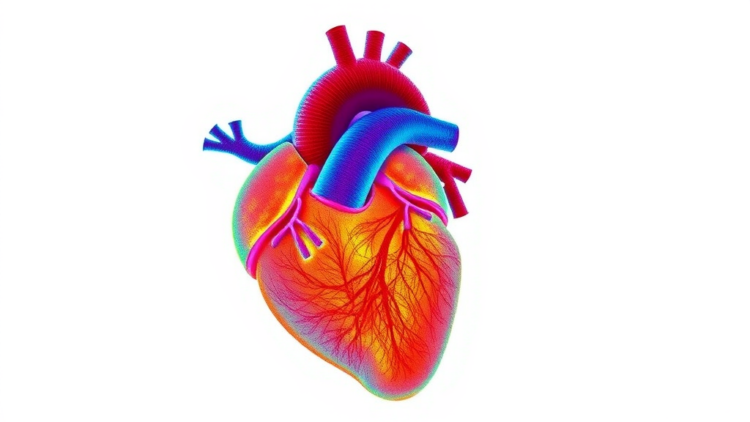
Pre-eclampsia is a potentially dangerous condition characterized by high blood pressure that arises in some pregnant women, but a review of published studies indicates that its effects on cardiovascular health can persist well after pregnancy.

The Australasian Journal of Ultrasound in Medicine analysis included 13 studies that measured cardiac function by transthoracic echocardiography between 6 months and 18 years following a pregnancy complicated by pre-eclampsia.

Studies are needed to determine whether long-term cardiovascular screening might benefit women with a history of pre-eclampsia.

“Pre-eclampsia is a real-life ‘stress test’ and the use of transthoracic echocardiography could help us detect early consequences on the heart before women experience symptoms,” said co-author Archana Selvakumar Thayaparan, MbChb, of Western Health, in Australia.

###

Media Contact
Penny Smith
[email protected]
http://dx.doi.org/10.1002/ajum.12173

Tags: CardiologyGynecologyMedicine/HealthPublic Health
Share12Tweet7Share2ShareShareShare1

Related Posts

Effective Parental Support Strategies to Reduce Burnout in Pregnant and Postpartum Trainees

May 13, 2026

Two Regions, One Virus: Nipah’s Recurrence Unveiled

May 13, 2026

Machine Learning Predicts Hospital Stay in Pediatric Cardiology

May 13, 2026

Wine waste shows promise in reducing antibiotic use in poultry farming

May 13, 2026
Please login to join discussion

POPULAR NEWS

  • Research Indicates Potential Connection Between Prenatal Medication Exposure and Elevated Autism Risk

    842 shares
    Share 337 Tweet 211
  • New Study Reveals Plants Can Detect the Sound of Rain

    728 shares
    Share 290 Tweet 182
  • Salmonella Haem Blocks Macrophages, Boosts Infection

    62 shares
    Share 25 Tweet 16
  • Breastmilk Balances E. coli and Beneficial Bacteria in Infant Gut Microbiomes

    57 shares
    Share 23 Tweet 14

About

We bring you the latest biotechnology news from best research centers and universities around the world. Check our website.

Follow us

Recent News

Fungus-Fueled Farming: Unlocking Sweeter, Hardier Crops with Nature’s Secret Boost

Diabetes Impact on Quality of Life in Cancer Survivors

Effective Parental Support Strategies to Reduce Burnout in Pregnant and Postpartum Trainees

Subscribe to Blog via Email

Enter your email address to subscribe to this blog and receive notifications of new posts by email.

Join 82 other subscribers
  • Contact Us

Bioengineer.org © Copyright 2023 All Rights Reserved.

Welcome Back!

Login to your account below

Forgotten Password?

Retrieve your password

Please enter your username or email address to reset your password.

Log In
No Result
View All Result
  • Homepages
    • Home Page 1
    • Home Page 2
  • News
  • National
  • Business
  • Health
  • Lifestyle
  • Science

Bioengineer.org © Copyright 2023 All Rights Reserved.