• HOME
  • NEWS
  • EXPLORE
    • CAREER
      • Companies
      • Jobs
    • EVENTS
    • iGEM
      • News
      • Team
    • PHOTOS
    • VIDEO
    • WIKI
  • BLOG
  • COMMUNITY
    • FACEBOOK
    • INSTAGRAM
    • TWITTER
Saturday, February 7, 2026
BIOENGINEER.ORG
No Result
View All Result
  • Login
  • HOME
  • NEWS
  • EXPLORE
    • CAREER
      • Companies
      • Jobs
        • Lecturer
        • PhD Studentship
        • Postdoc
        • Research Assistant
    • EVENTS
    • iGEM
      • News
      • Team
    • PHOTOS
    • VIDEO
    • WIKI
  • BLOG
  • COMMUNITY
    • FACEBOOK
    • INSTAGRAM
    • TWITTER
  • HOME
  • NEWS
  • EXPLORE
    • CAREER
      • Companies
      • Jobs
        • Lecturer
        • PhD Studentship
        • Postdoc
        • Research Assistant
    • EVENTS
    • iGEM
      • News
      • Team
    • PHOTOS
    • VIDEO
    • WIKI
  • BLOG
  • COMMUNITY
    • FACEBOOK
    • INSTAGRAM
    • TWITTER
No Result
View All Result
Bioengineer.org
No Result
View All Result
Home NEWS Science News Health

Encouraging critically necessary blood donation among minorities

Bioengineer by Bioengineer
June 13, 2019
in Health
Reading Time: 2 mins read
0
IMAGE
Share on FacebookShare on TwitterShare on LinkedinShare on RedditShare on Telegram

IMAGE

Credit: Georgia State University

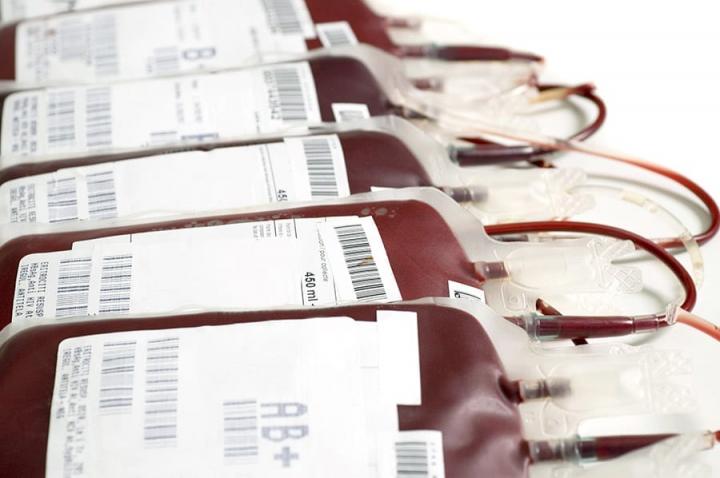
Better community education and communication are critical for increasing levels of blood donation among minorities, according to a study by researchers at Georgia State University and Georgia Southern University.

Nursing associate professor Regena Spratling in the Byrdine F. Lewis College of Nursing and Health Professions at Georgia State and her colleagues in the Georgia Southern University School of Public Health conducted the first systematic literature review of research on barriers and facilitators among minorities with blood donations.

The research found that medical mistrust is a significant barrier to blood donation among minorities. More significant to healthcare providers is a lack of explanation to minority donors when they are turned down to being a donor. For example, potential donors found to have low hemoglobin may believe that permanently bans them from giving blood when in they may be eligible later if they eat a healthy diet and drink plenty of fluids. Better education by healthcare providers working with these donors can reduce this barrier, researchers said.

Knowing a blood transfusion recipient made minorities more likely to donate, the researchers found. In many minority communities, donating blood for a friend, family, church or community member is positively viewed. Cultural or community ties are linked closely to blood donation. Giving blood to benefit one’s community was a primary motivator.

A higher prevalence of blood-based, hereditary diseases, such as sickle cell and thalassemia, is found among minorities. These diseases increase the need for blood products in minority populations. Blood from donors with similar backgrounds reduces the likelihood of severe transfusion complications. These subtle similarities go deeper into blood background than blood types A, B, AB and O and positive and negative Rh factor.

The researchers reviewed nearly four dozen articles in peer-reviewed journals on blood donation with corresponding data on donors. Half of the articles appeared in publications focused on blood transfusion. The remainder were in related journals. Very few articles in nursing or broader healthcare journals focused on blood donations in specific race and ethnic populations. The researchers found the lack of widespread discussion of low minority blood donation was a primary barrier to solving the problem.

###

Media Contact
Angela Arnold Go
[email protected]

Original Source

https://news.gsu.edu/2019/05/16/encouraging-critically-necessary-blood-donation-among-minorities/

Tags: Medicine/HealthPublic Health
Share12Tweet8Share2ShareShareShare2

Related Posts

Menopause Care: Insights from Workforce Review and Consultation

February 7, 2026

LRRK2R1627P Mutation Boosts Gut Inflammation, α-Synuclein

February 7, 2026

3D Gut-Brain-Vascular Model Reveals Disease Links

February 7, 2026

Low-Inflammation in Elderly UTIs: Risks and Resistance

February 7, 2026
Please login to join discussion

POPULAR NEWS

  • Robotic Ureteral Reconstruction: A Novel Approach

    Robotic Ureteral Reconstruction: A Novel Approach

    82 shares
    Share 33 Tweet 21
  • Digital Privacy: Health Data Control in Incarceration

    63 shares
    Share 25 Tweet 16
  • Study Reveals Lipid Accumulation in ME/CFS Cells

    57 shares
    Share 23 Tweet 14
  • Breakthrough in RNA Research Accelerates Medical Innovations Timeline

    53 shares
    Share 21 Tweet 13

About

We bring you the latest biotechnology news from best research centers and universities around the world. Check our website.

Follow us

Recent News

Menopause Care: Insights from Workforce Review and Consultation

LRRK2R1627P Mutation Boosts Gut Inflammation, α-Synuclein

3D Gut-Brain-Vascular Model Reveals Disease Links

Subscribe to Blog via Email

Enter your email address to subscribe to this blog and receive notifications of new posts by email.

Join 73 other subscribers
  • Contact Us

Bioengineer.org © Copyright 2023 All Rights Reserved.

Welcome Back!

Login to your account below

Forgotten Password?

Retrieve your password

Please enter your username or email address to reset your password.

Log In
No Result
View All Result
  • Homepages
    • Home Page 1
    • Home Page 2
  • News
  • National
  • Business
  • Health
  • Lifestyle
  • Science

Bioengineer.org © Copyright 2023 All Rights Reserved.